
 Worksheets
Evolution and Cladograms Quiz
Total questions: 11
Worksheet time: 22mins
What are cladograms used for?
To show common characteristics between species
To show how species change every year
To show fossil types
To show how species aren't related at all
Cladograms are branching diagrams that show ______ relationships between organisms.
Vestigial
Embryonic
Historical
___ homologies include amino acid and DNA sequences.
Embryological
Anatomical
Developmental
Human DNA: CAT CCC CAC CAA. Which organism is most closely related?
Monkey: CAT CCC CAC CGG
Dog: ATG CTC CCG CAC
Wolf: ATG CAC CCG CAC
Cat: ATG CTC CCG CCC
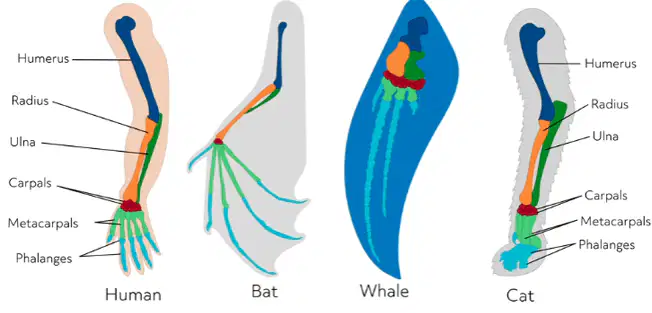
The image displays which type of anatomical structure?
Analogous
Homologous
Vestigial

Vestigial structures are homologous structures that are
still used
no longer used
occasionally used
somewhat used
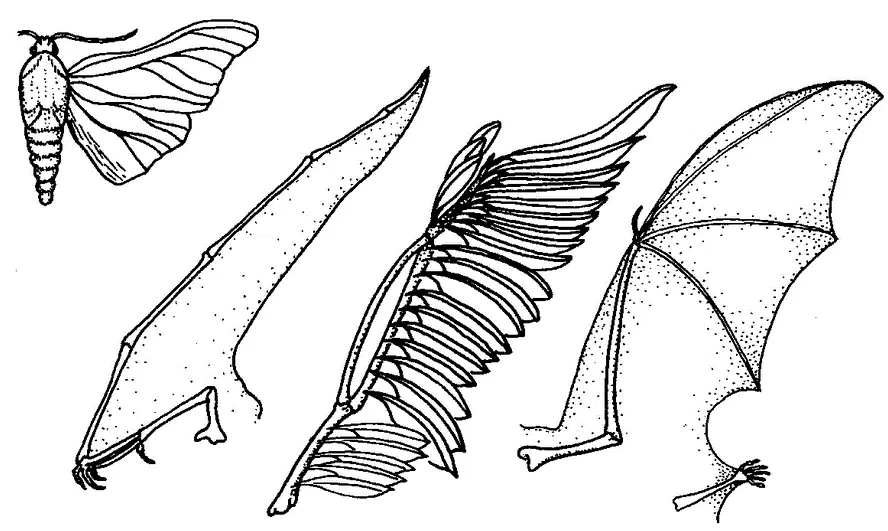
Does the following provide evidence of evolution?
No, the image depicts analogous structures
Yes, the image depicts homologous structures
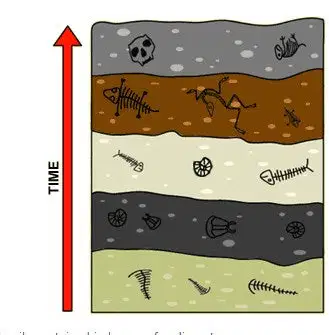
Where would the oldest fossils usually be found?
Bottom
Top
Middle

Study of embryos of organisms to show a common ancestor because of similarities in development
embryology
evolution
natural selection
speciation
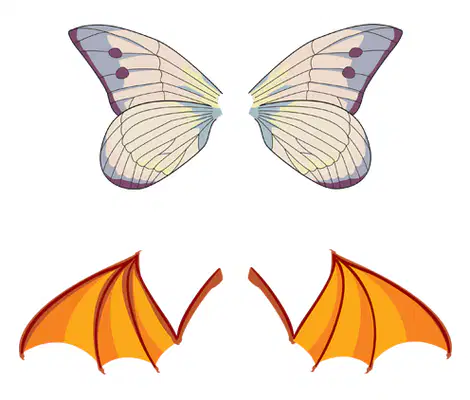
Analogous structures share
Similar function but different structure
Similar function and structure
Similar structure but different function
What were TWO observations that Darwin made related to the role of biogeography in determining the evolution of species?
Species that are distantly related can evolve diverse adaptations in similar environments.
Species that are closely related can evolve diverse adaptations in slightly different environments.
Species that are distantly related can evolve diverse adaptations in slightly different environments.
Species that are distantly related can evolve similar adaptations in similar environments.
Species that are closely related can evolve similar adaptations in slightly different environments.

