
NEW
Font size
 Worksheets
Rocks
Total questions: 25
Worksheet time: 25mins
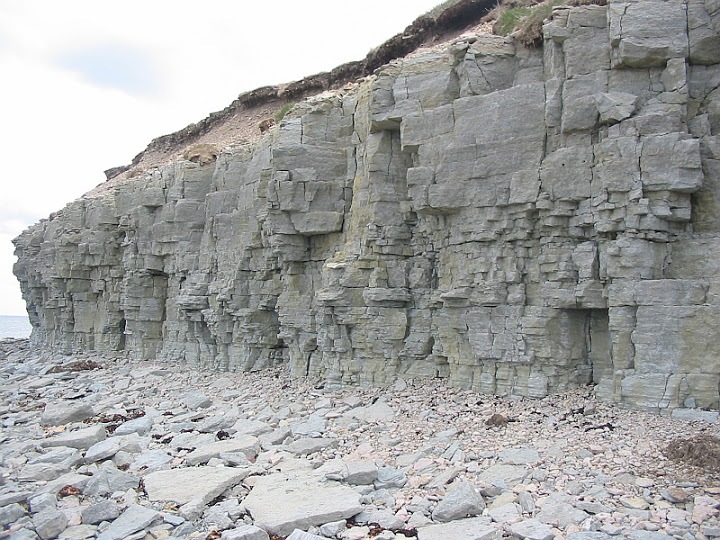
What factors can lead to the formation of a sedimentary rock?
evaporation and precipitation
melting and solidification
extreme heat and pressure

Describe the texture of breccia.
vesicular
clastic
crystalline
bioclastic
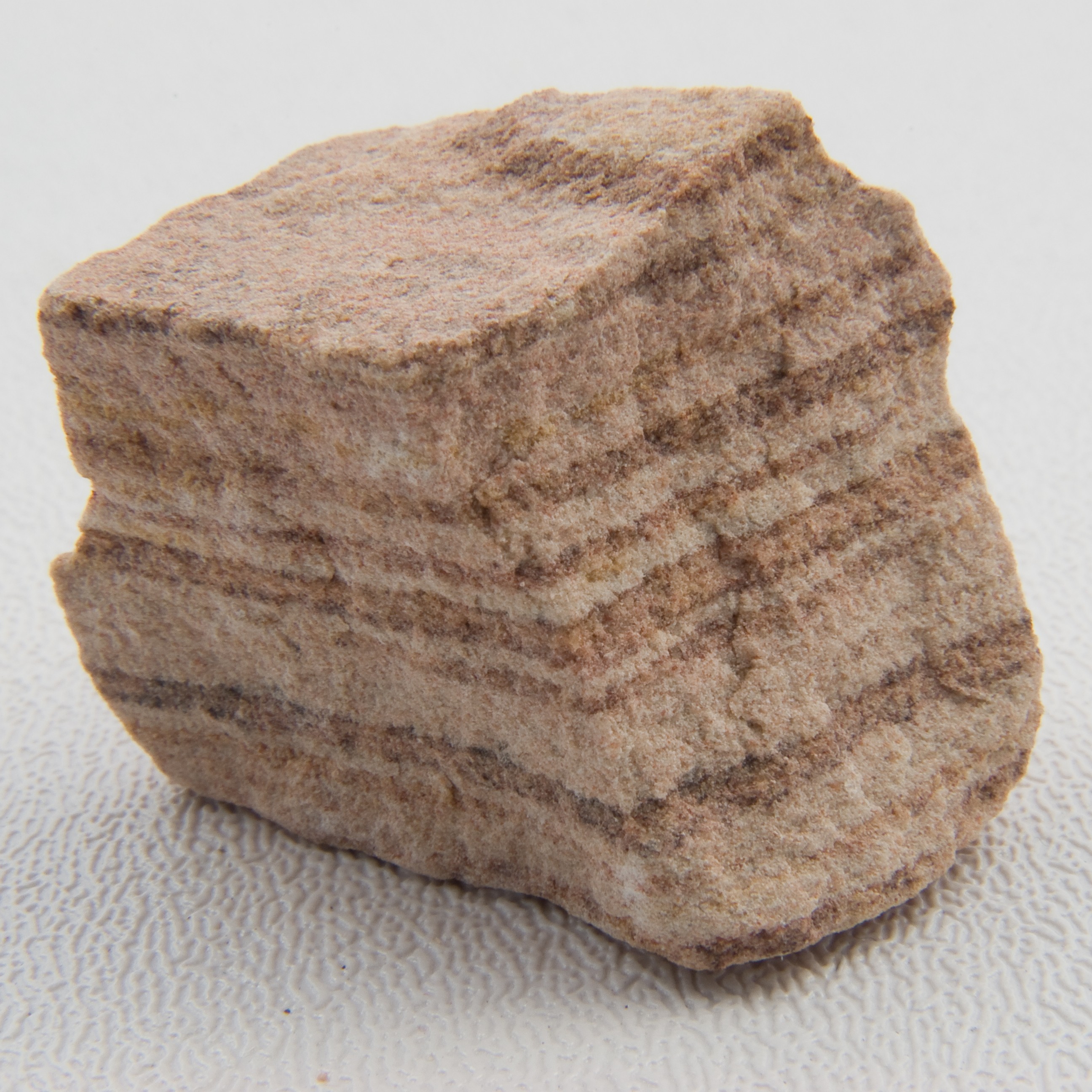
Describe the method of lithification for sandstone.
melting and solidification
compaction and cementation
evaporation and precipitation
extreme heat and pressure
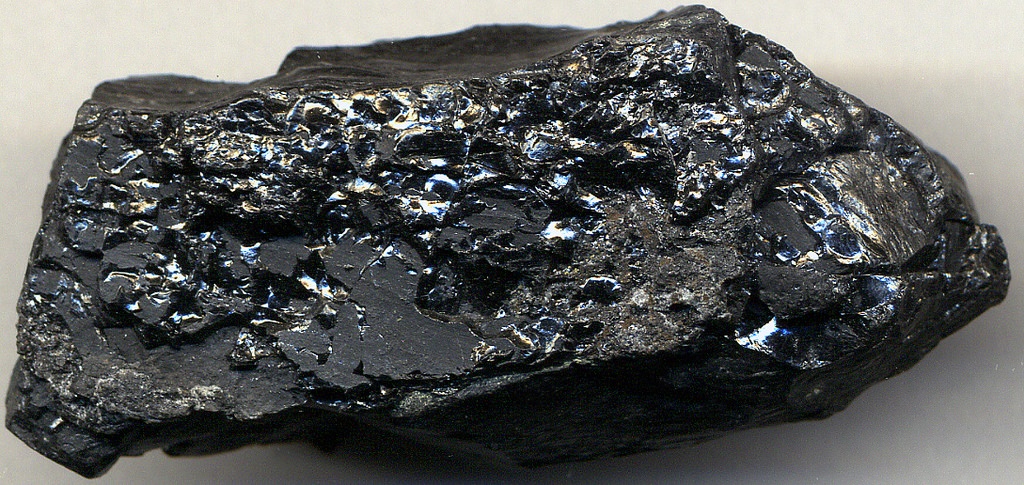
Which of the following is an organically formed sedimentary rock?
obsidian
coal
siltstone
shale
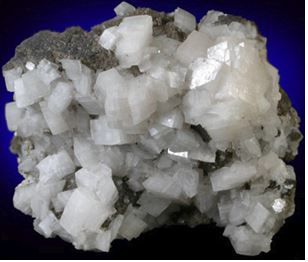
Describe the texture of dolostone.
clastic
bioclastic
glassy
crystalline
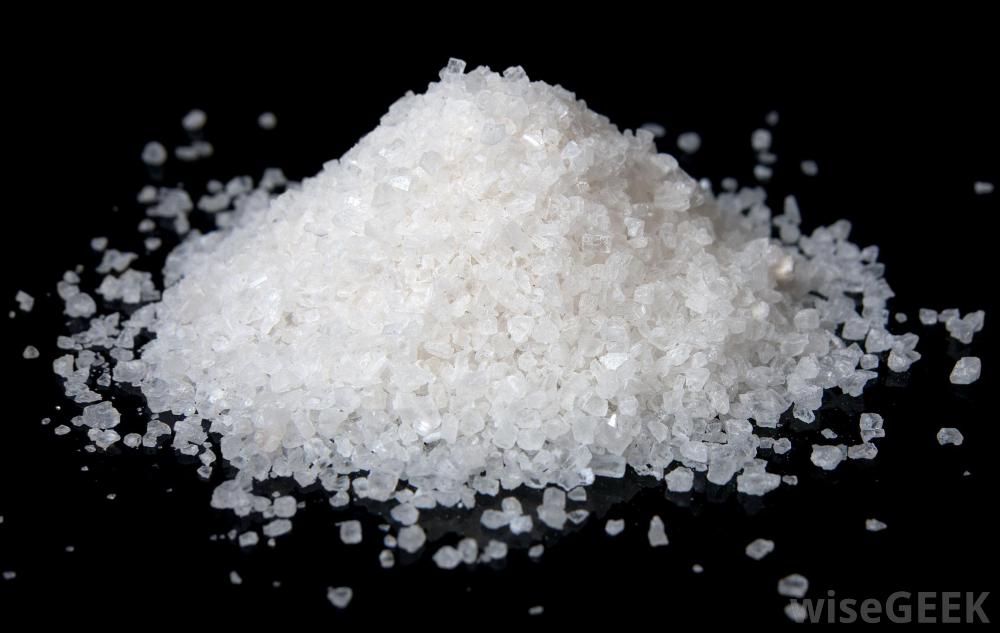
Which of the following is a chemically formed sedimentary rock?
marble
breccia
rock salt
quartz
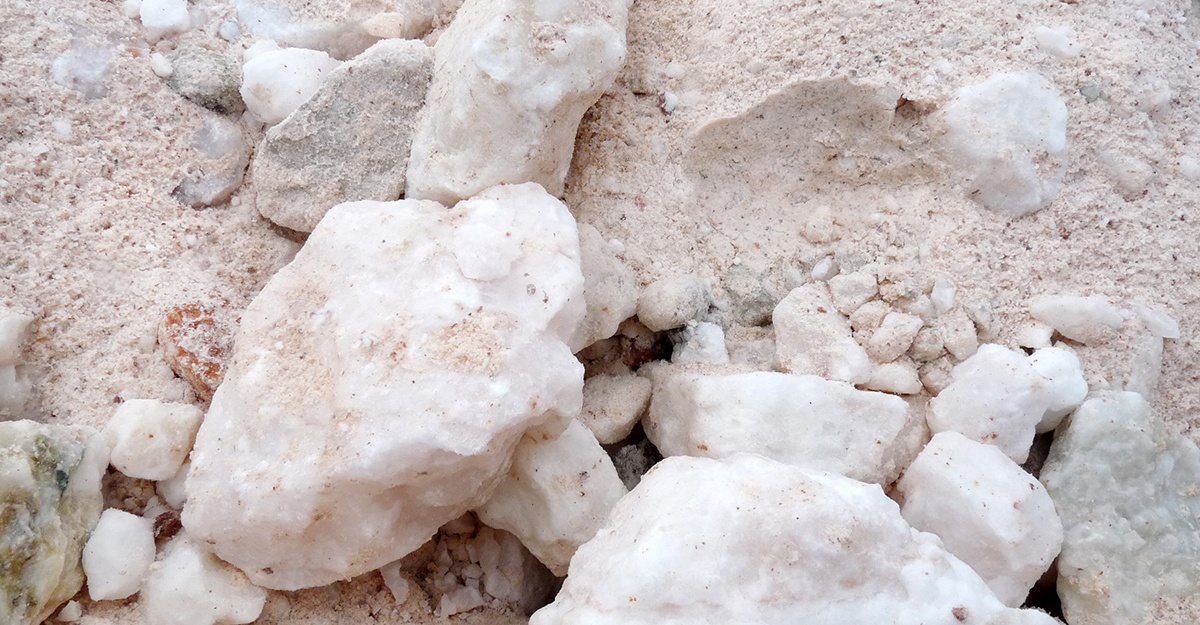
Describe the method of lithification for rock gypsum?
melting and solidification
extreme heat and pressure
compaction and cementation
evaporation and precipitation
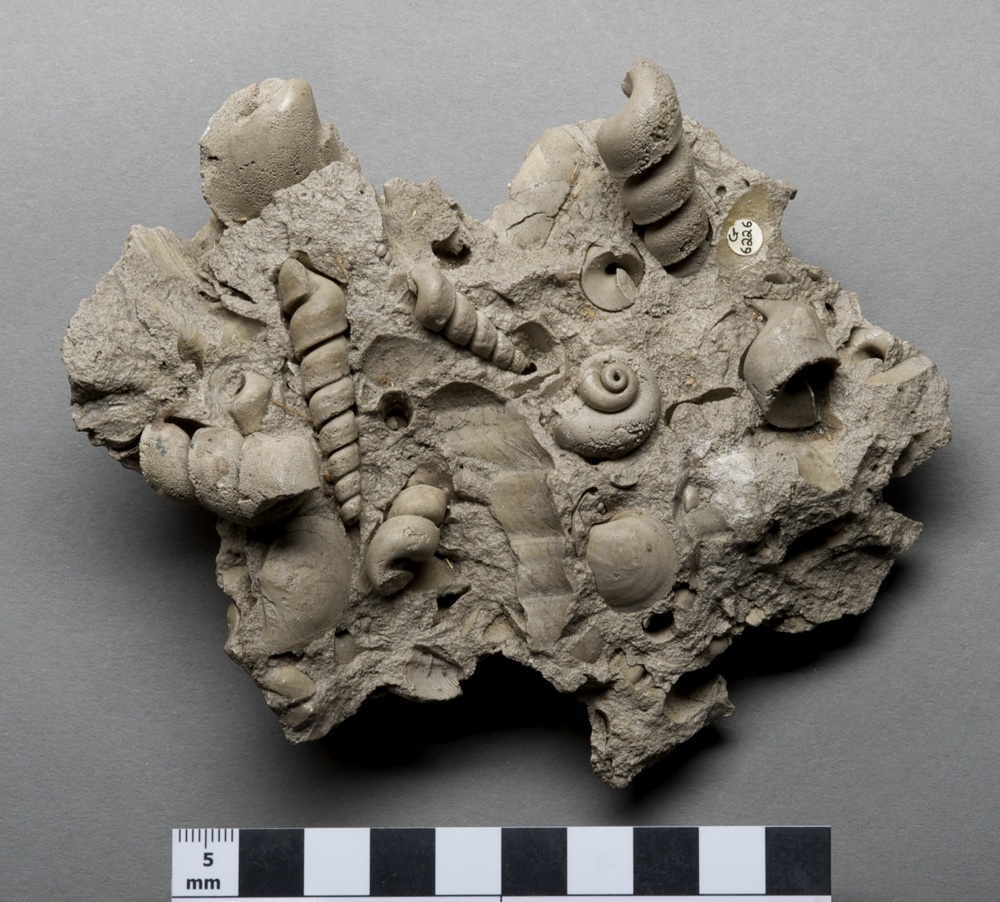
Describe the texture of limestone.
bioclastic
clastic
vesicular
glassy

Which type of rock is formed from the solidification of magma or lava?
igneous
sedimentary
metamorphic
bioclastic

Describe the texture of the following igneous rock.
smooth
coarse
vesicular
glassy

Describe the texture of the following igneous rock.
glassy
rough
vesicular
coarse

Describe the texture of the following igneous rock (grain size 1-10 mm).
vesicular
glassy
fine
coarse

Describe the texture of the following igneous rock (grain size < 1mm).
glassy
fine
coarse
vesicular

Describe the mineral composition of the following igneous rock.
felsic
mafic

Describe the environment of formation for the following igneous rock (grain size > 10 mm).
intrusive
extrusive

Describe the environment of formation for the following igneous rock.
intrusive
extrusive

Describe the rate of cooling for the following igneous rock (grain size 1-10 mm).
slow cooling
rapid cooling

Describe the environment of formation for the following igneous rock (grain size 1-10 mm).
above ground
below ground

Describe the environment of formation for the following igneous rock (grain size < 1 mm).
above ground
below ground

Describe the rate of cooling for the following igneous rock.
slow cooling
rapid cooling
What is the significance of rocks in ancient civilizations?
They were used as tools and weapons
They were primarily decorative
They were used only for religious purposes
They had no significance
Which type of rock is most commonly used in the construction of historical monuments?
Igneous rock
Sedimentary rock
Metamorphic rock
Volcanic rock
How did the study of rocks contribute to the development of early trade routes?
Rocks were traded as currency
Rocks helped in navigation
Rocks indicated the presence of valuable minerals
Rocks were used to build roads
What role did rocks play in the development of early human settlements?
They were used to build shelters
They were used to make clothing
They were used to store food
They were used to create art
In what way did rocks influence ancient art and culture?
Rocks were used as canvases for paintings
Rocks were ignored in art
Rocks were used only for sculptures
Rocks were used to make musical instruments

