
 Worksheets
Chinese Communism
Total questions: 25
Worksheet time: 25mins
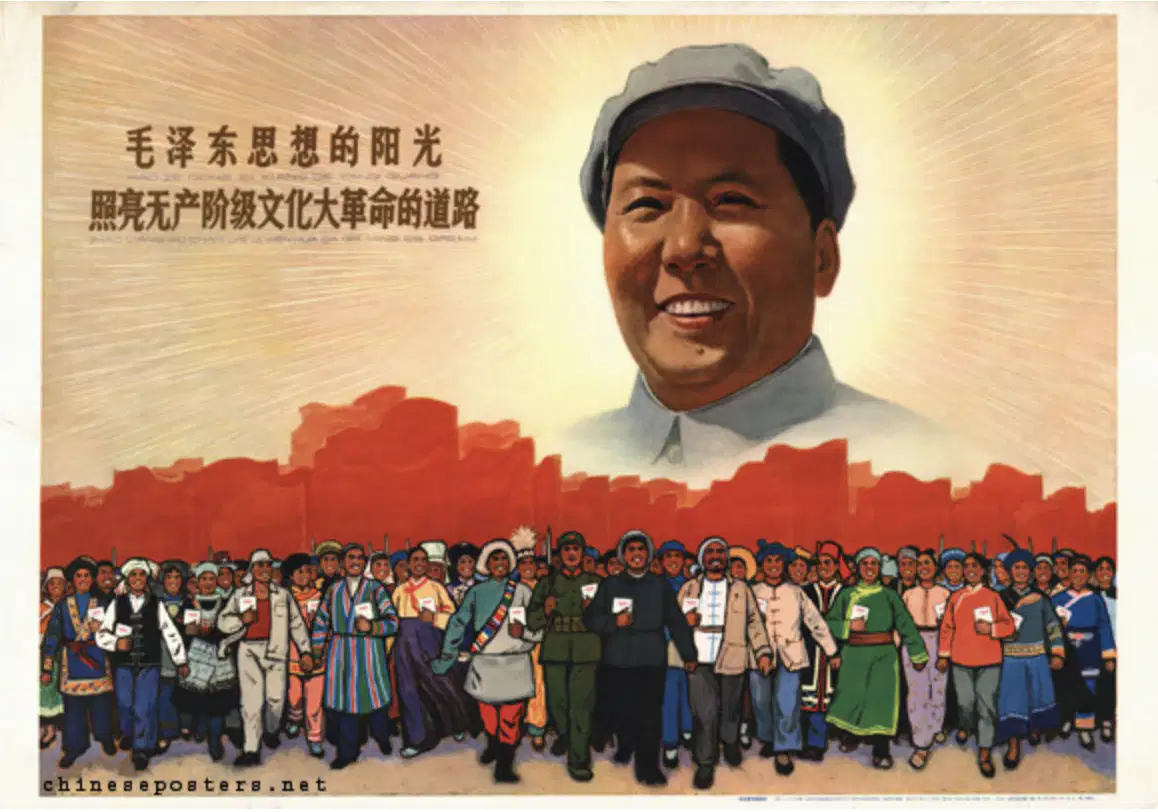
The leader of China's communist party, this man ruled China from 1949 until his death in 1976.
Chiang Kai-shek
Mao Zedong
Deng Xiaoping
Obi-wan Kenobi
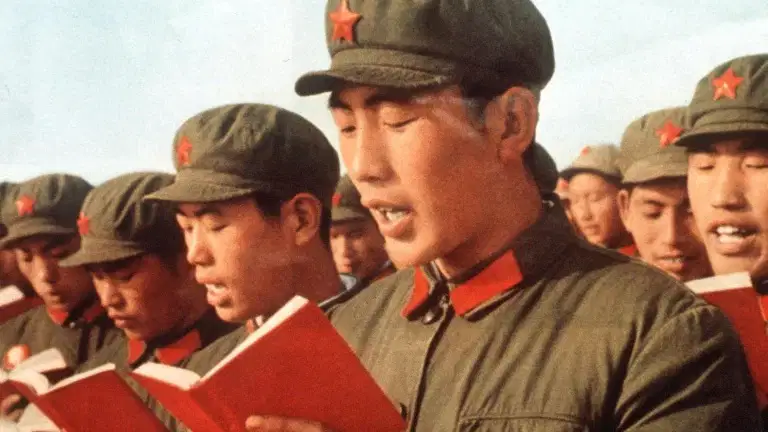
The ____________________________________, a collection of Mao's thoughts, became a sort of bible for the Chinese communists. It was hailed as the most important source of knowledge in all areas.
Green Book
Little Red Book
Communist Manifesto
Psalms of Mao
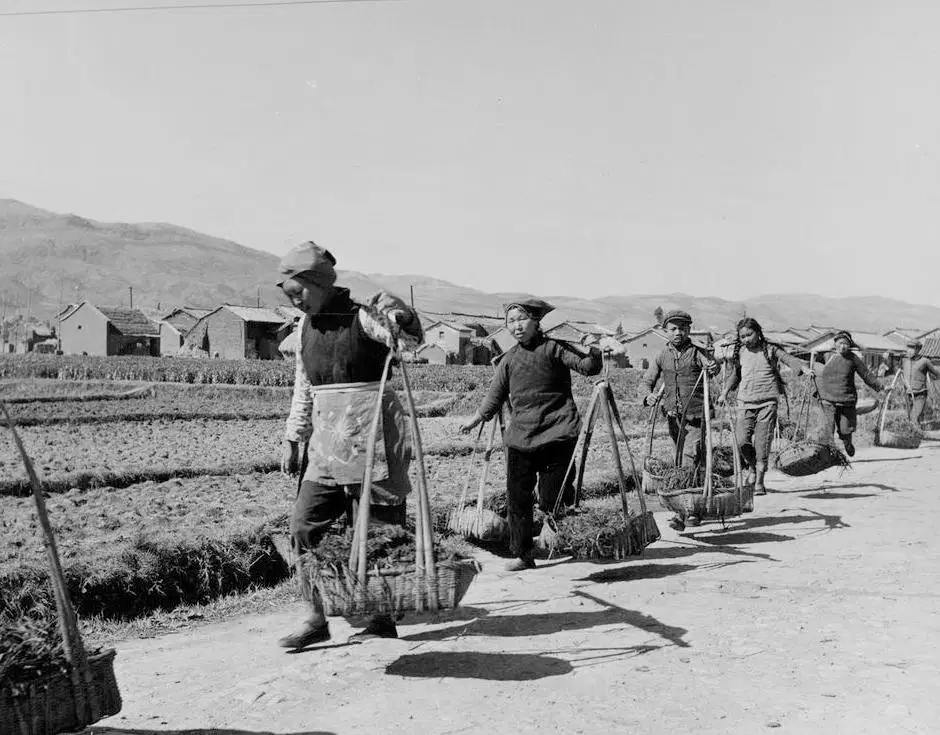
True or False: The Great Leap Forward eliminated hunger and resulted in widespread prosperity in communist China.
True
False
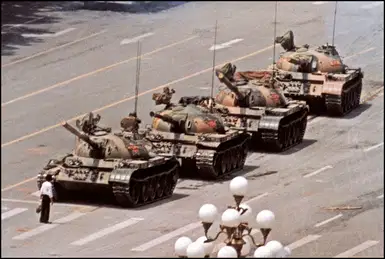
In 1989, Deng Xiaoping ordered Chinese tanks and troops into _____________________________ to crush massive demonstrations by student protestors who were demanding the resignation of China's aging party leaders.
The Forbidden City
The Summer Palace
Tiananmen Square
The Great Wall of China
During the 20th century who led the Chinese communist?
Sun Yixian
Kim Jung il
Mao Zedong
Ho Chi Mihn

What happened to China in 1949?
It was divided into North and South
It became a communist state under Mao Zedong
Confucius was born
The Mongolian Empire reached its peak
The Chinese Communist Party won support of China's citizens by promising this.
to improve peasants’ living conditions
everyone would have a job
world domination
long life and security
What was the end result of China's civil war?
China was divided in half
China became communist
China became a democracy
China created a socialistic government
Which segment of Chinese society gave the most support to the Communists during the Revolution?
peasants
religious leaders
landowners
bureaucrats
Mao Zedong got most of his support from 600, 000 Chinese _____ during the Cultural Revolution
businessman
peasants and farmers
professors and managers
politicians
The Chinese Communist Party is also called this
The Communist Army
The Mao Army
The Red Army
Orange Army
What was an immediate result of the Great Leap Forward (1958)?
independence of Kenya from Great Britain
the breakup of the Soviet Union
the relocation of Bosnian refugees
increased famine in China
In China there was a time when Mao wanted to eliminate anyone that criticized his government. What is this time called?
Long March
The Middle Way
The Great Leap Forward
The Cultural Revolution
What was the name of the economic plan that the Chinese government developed in order to boost China’s economy?
Great Leap Forward
The Cultural Revolution
China's Betterment Plan
Chinese Economic Plan for that moolah
Who was the leader of the Communist party?
Mao Zedong
Deng Xiaoping
George W. Bush
Emperor Hirohito
What did the Communist party promise to bring to China?
More freedom of speech
Freedom of religion
Food to the poor and more wealth to all Chinese, and land reforms
More personal freedoms
When was the Communist state of the People’s Republic of China established
1900
1989
2008
1949
Why did poor peasants support the Chinese Communist Party?
They wanted to work in communes
It promised them food and a better quality of life
They had no other option
Mao Zedong said he would give them money
What is the name of the army of young students that Mao used to enforce policies in the 1960's?
The Red Guard
Hitler Youth
The Youth for Communism
The great Collective
What was the primary goal of the Chinese Communist Party during its early years?
A) To establish a democratic government
B) To promote industrialization
C) To overthrow the Nationalist government
D) To expand China's territory
Which event marked the beginning of the Chinese Communist Party's rise to power?
A) The Long March
B) The Cultural Revolution
C) The Great Leap Forward
D) The Boxer Rebellion
Who was the key figure in the Chinese Communist Party's victory in the Chinese Civil War?
A) Chiang Kai-shek
B) Sun Yat-sen
C) Mao Zedong
D) Zhou Enlai
What was the main focus of the Chinese Communist Party's land reform policies?
A) To increase agricultural exports
B) To redistribute land to peasants
C) To nationalize all industries
D) To build urban infrastructure
During which campaign did the Chinese Communist Party aim to eliminate counter-revolutionaries?
A) The Hundred Flowers Campaign
B) The Anti-Rightist Campaign
C) The Great Leap Forward
D) The Cultural Revolution
What was the impact of the Chinese Communist Party's Great Leap Forward?
A) Rapid industrial growth
B) Economic prosperity
C) Widespread famine
D) Political stability

