
 Worksheets
Qin Shi Huangdi
Total questions: 25
Worksheet time: 25mins
What is the correct name and spelling of the first Emperor of China?
Er Shi Huangdi
Ziying
Qin Shi Huangdi
Gengshi

What two words would describe the Emperor of Qin?
strong and cruel
weak and lonely
compassionate and kind
What is Emperor Qin most known for?
Building the Forbidden City
Uniting China under one rule
Establishing trade on the Silk Road
Keeping China as a series of states
What does Qin Shihuangdi mean?
First Dragon
Emperor for Eternity
First Qin Emperor
none of these
After the Warring States Period a new Dynasty was formed. What was the name of the first emperor of the Qin?
Qin Shi Huangdi
Tang Shi Huang
Han Shi Huang
Ming Shi Huang
Who was the first Emperor of China? (hint: his tomb has the terra-cotta warriors)
Kublai Khan
Genghis Khan
Qin Shi Huang
Empress Wu
Xuantong or Puyi

Emperor Qin Shi Huangdi ruled with an iron fist. Using forced labor he started construction on what Chinese world wonder?
The Eiffel Tower
The Great Wall of China
The Colosseum
The Taj Mahal
Who was China's first emperor?
Fei Huang
Shi Huangdi
Shu Houng
Pia Mai
Who was Qin Shi Huang?
The first emperor of a unified China
A famous Chinese philosopher
The inventor of paper
A general in the Mongol army
Who was the first emperor of united China?
Shi Huangdi
Chen Sheng
Shang Yang
Liu Bang
Which Chinese teaching most influenced Qin Shi Huangdi’s style of rule?
Daoism
Legalism
Buddhism
Confucianism
Which of the following statements describe Qin?
He invented the wheel
He was a quiet leader
The first Emperor of China
He was a friendly fellow
Which philosophy was heavily emphasized in the Qin Dynasty?
Daoism
Legalism
Confucianism
Buddhism
About how many years did the Qin Dynasty last?
50
500
200
15
The Qin Emperor standardized China's monetary system, law codes, and writing and therefore _________ Chinese civilization
unified
divided
created
ended
Which Chinese teaching most influenced Qin Shi Huangdi’s style of rule?
Daoism
Legalism
Buddhism
Confucianism
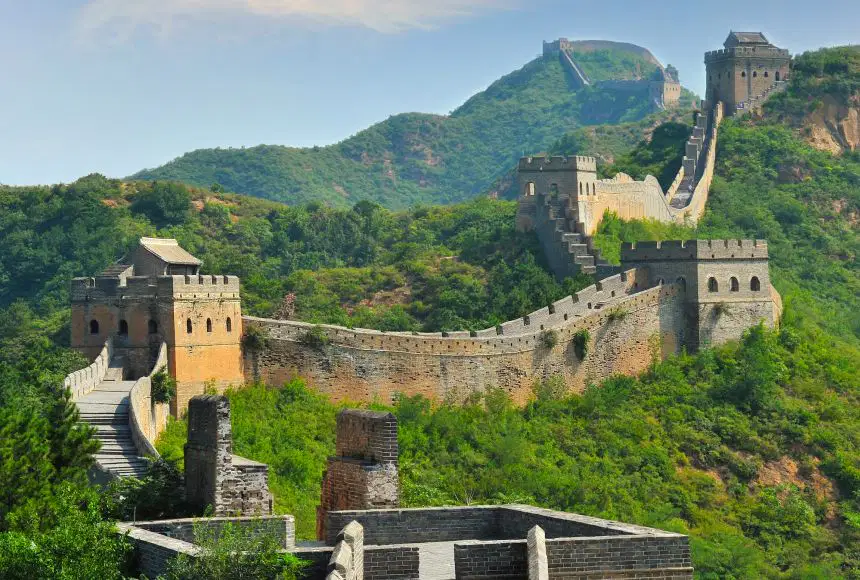
What other major construction is attributed to Emperor Qin Shi Huang?
The Great Wall of China
The Forbidden City
The Temple of Heaven
The Summer Palace
During which dynasty was much of the Great Wall built? Hint: it is the dynasty in which Legalism was its base of belief.
What was the primary purpose of the Terra Cotta warriors?
To serve as entertainment for the Emperor
To protect the Emperor in his afterlife
To commemorate the Emperor's victories in battle
To serve as a tourist attraction
How many states did Qin Shi Huangdi conquer before he could declare himself first Emperor of China?
8
7
6
4
What was Emperor Qin's name before he was Emperor?
Song
Ming
Zheng
Confucius
What major construction project is Qin Shi Huangdi famous for initiating?
The Great Wall of China
The Grand Canal
The Forbidden City
The Summer Palace
Which of the following was a significant reform implemented by Qin Shi Huangdi?
Introduction of Buddhism
Standardization of weights and measures
Construction of the Silk Road
Establishment of the Ming Dynasty
What was the primary purpose of Qin Shi Huangdi's legal reforms?
To promote Confucian values
To ensure strict control and order
To encourage trade and commerce
To support agricultural development
Which of the following best describes Qin Shi Huangdi's approach to governance?
Democratic and inclusive
Laissez-faire and hands-off
Authoritarian and centralized
Decentralized and feudal

