
 Worksheets
South Africa Post Apartheid
Total questions: 25
Worksheet time: 25mins
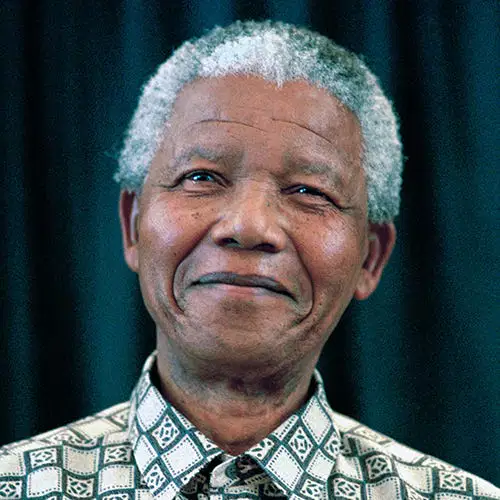
Who did South Africa pick as their new president after apartheid?
Mansa Musa
Nelson Mandela
Shaka Zulu
Nelson Mandela was....
The first ever president of South Africa
The first president of South Africa post Apartheid
A South African Dictator
An American civil rights activist
What was one effect the end of apartheid had on South Africa's political system?
Black South Africans were allowed to vote and hold office.
White South Africans were allowed to vote and hold office.
Black South Africans were allowed to vote but not and hold office.
White South Africans were allowed to vote but not be president.
Which of the following describes Apartheid?
Nationalism
Pan-African Movement
Segregation
Sanction
What was an outcome of South Africa's anti-apartheid movement
Slavery
Equal Rights
Great Britain lost control
South Africa became a country
Since the African National Congress came to power in South Africa in 1994, its primary aim has been to
Establish one party
Unite the people of South Africa
Restore European influence
Create homeland for whites
How did nations around the world encourage the ending of Apartheid?
Berlin Conference
Sanction
Tariffs
Violence

What was the significance of Nelson Mandela's election to office in South Africa?
he became the first black president
he released political prisoners
he united the Zulu and Ashanti people to win the election
he won the election with the support of the British
Who was the anti-apartheid radical and leader of the African National Congress, first black president of South Africa
Mao Zedong
Kwame Nkrumah
Nelson Mandela
Mohandas Gandhi
What holiday was created on June 16th in South Africa to pay respect to the student protest against Apartheid?
Youth day
Apartheid Day
South African Independence Day
International Peace Day
Which describes F.W. de Klerk's role in ending the apartheid?
F.W. de Klerk implemented many bans that were rooted in racial segregation and imprisoned the leader of a group who resisted racial segregation
F.W. de Klerk lifted many bans that were rooted in racial segregation and freed the leader of a group who resisted racial segregation.
F.W. de Klerk forcibly removed millions of people into impoverished homesteads
F. W. de Klerk began the National Party, a prominent political party in South Africa
What award did Nelson Mandela and FW de Klerk receive for promoting peace and racial equality in South Africa?
Academy Award
Rhodes Scholarship Award
Nobel Peace Prize
Pulitzer Prize
What term means a social and political policy of racial segregation and discrimination used in South Africa?
Apartheid
Unity
Imperialism
Democracy
What group was created in the 1950s to fight against apartheid in Africa?
United Nations
Central Intelligence Agency
African National Congress
the Green Army
What was the primary goal of the Truth and Reconciliation Commission in post-apartheid South Africa?
To punish those who committed crimes during apartheid
To promote national unity and reconciliation
To rewrite South African history
To establish a new legal system
Which South African city is known for its significant role in the anti-apartheid movement and is home to Robben Island?
Johannesburg
Durban
Cape Town
Pretoria
What is the significance of the year 1994 in South African history?
The end of World War II
The beginning of apartheid
The first democratic elections were held
The discovery of gold in Johannesburg
Who was the first black Archbishop of Cape Town and a prominent anti-apartheid activist?
Desmond Tutu
Nelson Mandela
Steve Biko
Oliver Tambo
What was the main economic challenge faced by South Africa post-apartheid?
Lack of natural resources
High unemployment and inequality
Overpopulation
Lack of foreign investment
Which policy was introduced to address the inequalities of apartheid in South Africa's workforce?
Black Economic Empowerment
Apartheid
Colonialism
Segregation
What is the name of the South African national anthem that combines five different languages?
Nkosi Sikelel' iAfrika
Die Stem van Suid-Afrika
God Save the Queen
The Star-Spangled Banner
Which South African leader is known for his role in the peaceful transition from apartheid to a democratic society?
Nelson Mandela
Thabo Mbeki
Jacob Zuma
Cyril Ramaphosa
What was the purpose of the Reconstruction and Development Programme (RDP) in post-apartheid South Africa?
To rebuild the economy and provide basic services
To establish a new military force
To promote tourism
To create a new educational curriculum
Which international organization imposed sanctions on South Africa during apartheid to pressure for change?
United Nations
European Union
African Union
NATO
What is the significance of the Soweto Uprising in South African history?
It marked the end of apartheid
It was a peaceful protest for economic reform
It was a student protest against the use of Afrikaans in schools
It was a celebration of South African independence

