
 Worksheets
Unit 2 Levels and Biodiversity
Total questions: 27
Worksheet time: 14mins
Name
Class
Date
1.

All of the following are characteristics of life, except...
a)
Has cells
b)
Adapts
c)
Uses energy
d)
Breathes in oxygen
2.
Which of the following is the correct Ecological Levels of Organization from SMALLEST to LARGEST?
a)
Organism, Population, Community, Ecosystem, Biome, Biosphere
b)
Biosphere, Biome, Ecosystem, Community, Population, Organism
c)
Organism, Community, Ecosystem, Population, Biosphere, Biome
d)
Biome, Population, Community, Biosphere, Organisms, Ecosystem
3.
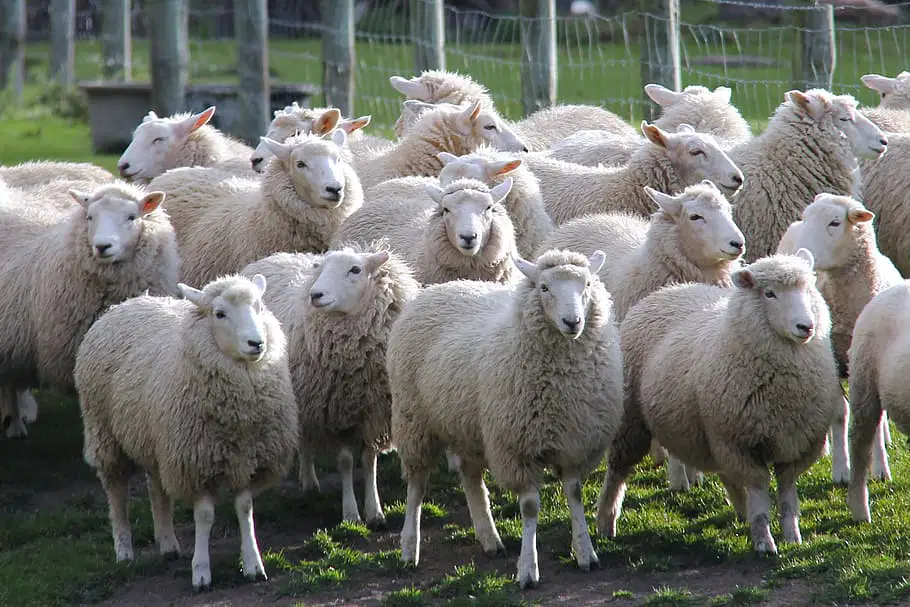
Group of organisms of the SAME species that occupy the SAME geographic place at the SAME time
a)
Organism
b)
Population
c)
Community
d)
Ecosystem
4.

This is a biological community and all the ABIOTIC factors that affect it.
a)
Organism
b)
Population
c)
Community
d)
Ecosystem
5.
Which of the following is an example of an ABIOTIC factor?
a)
Deer
b)
Grass
c)
Oak Tree
d)
Rocks
6.
Which of the following is an example of a BIOTIC factor?
a)
Air Temperature
b)
Sun
c)
Oak Tree
d)
Rocks
7.

The most basic unit of structure of life and organization of all living organisms is known as ______________.
a)
Cell
b)
Tissue
c)
Organ
d)
Organism
8.
The higher the amount of biodiversity in an ecosystem, the __________________ the stability of that ecosystem; it is more likely to survive a change.
a)
More
b)
Less
c)
Same
9.

This is an example of which type of biodiversity?
a)
Genetic Diversity
b)
Species Diversity
c)
Ecosystem Diversity
10.
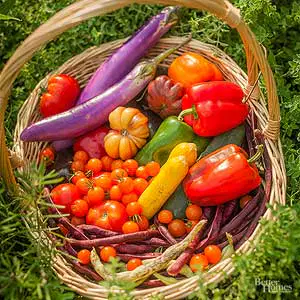
This is an example of which type of biodiversity?
a)
Genetic Diversity
b)
Species Diversity
c)
Ecosystem Diversity
11.
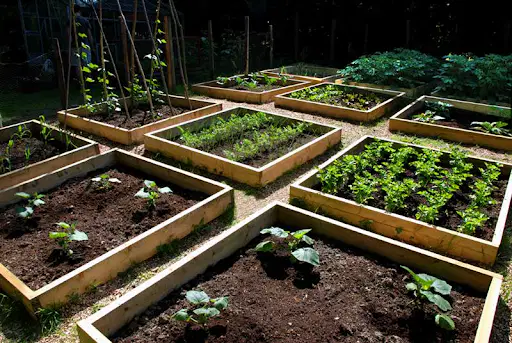
This is an example of which type of Biodiversity?
a)
Genetic Diversity
b)
Species Diversity
c)
Ecosystem Diversity
12.
Which is an example of ecosystem diversity?
a)
A desert in Colorado compared to a forest in Maine
b)
A forest in Maine compared to a forest in Colorado
c)
All of the species in a forest in Maine
d)
A Chihuahua compared to a Great Dane
13.
Diversity of living things is known as ______________.
a)
Ecology
b)
Environmental Science
c)
Biodiversity
d)
Biology
14.

A species that is critical to the functioning of the ecosystem in which it lives because it affects the survival and abundance of many species in its community.
a)
Endangered Species
b)
Extinct Species
c)
Endemic Species
d)
Keystone Species
15.

Which level of organization does this picture represent? (Do not consider the abiotic factors)
a)
Population
b)
Community
c)
Ecosystem
d)
Organism
16.
Scientists study the biosphere to examine the relationship between biotic and abiotic factors that impact the entire planet and the hierarchy of life. What is defined as all of the members of a single species that live in a particular area?
a)
Organisms
b)
Ecosystems
c)
Populations
d)
Communities
17.
Ecologists study how relationships between biotic and abiotic factors impact the many levels of organization on earth. What level of organization is defined as groups of different species that live together in a single ecosystem?
a)
Organism
b)
Ecosystem
c)
Population
d)
Community
18.
Ecologists study how relationships between biotic and abiotic factors impact the many levels of organization on earth. What level of organization is defined as the interaction between organisms in a community and the abiotic factors from the environment in which they live?
a)
Organism
b)
Ecosystem
c)
Population
d)
Community
19.
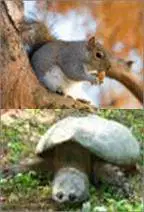
All of the squirrels, grass, oak trees, and turtles in a forest would be considered a
a)
Community
b)
Habitat
c)
Population
d)
Species
20.

All of the elephants living in a wildlife preserve would be considered a
a)
Community
b)
Group
c)
Individual
d)
Population
21.

Which of the following is NOT a characteristics of living things?
a)
Response to the environment
b)
Have individual relationships
c)
Growth and development
d)
Genetic Code
22.
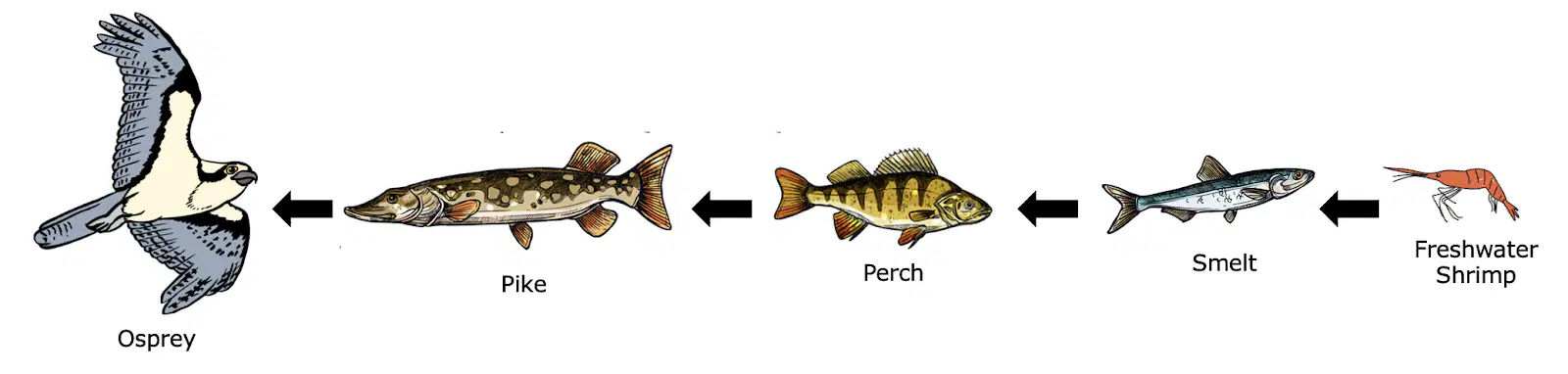
This food chain is one part of a _____ within an ecosystem.
a)
Biome
b)
Community
c)
Population
d)
Species
23.
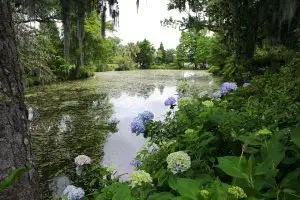
All the different plant populations make up the plant ___________ in this swamp. The plants are part of the bigger __________, that contains many biotic and abiotic factors.
a)
Community, Biome
b)
Community, Ecosystem
c)
Ecosystem, Population
d)
Population, Community
24.
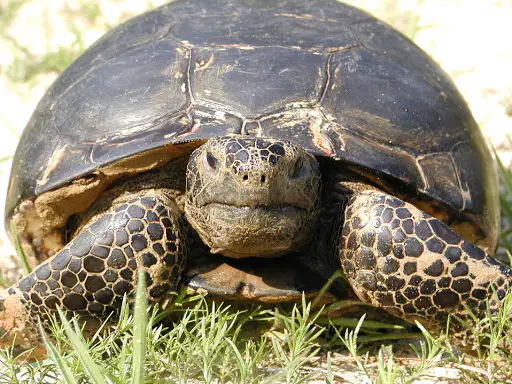
The gopher tortoise is Georgia's state reptile . They dig burrows which other animals in the ecosystem rely on for survival. Without them, the ecosystem would collapse. What type of species is the gopher tortoise to the ecosystem?
a)
Endangered
b)
Indicator
c)
Invasive
d)
Keystone
25.
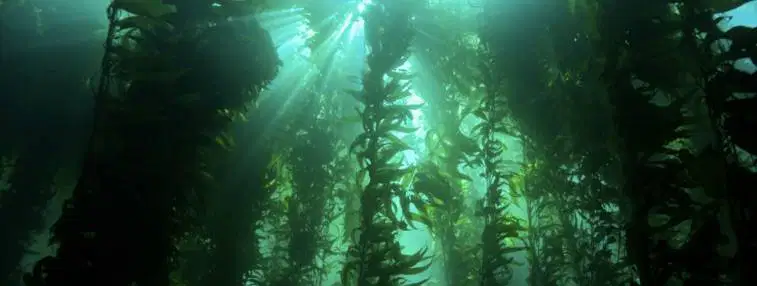
This is a giant kelp bed found off the Pacific coast of the U.S.A. In ideal conditions, kelp can grow up to 18 inches per day, the giant canopies towering above the ocean floor. Like trees in a forest, these giant algae provide food and shelter for thousands of fish, invertebrates, and marine mammal species. Storms and weather events, like El Niño, can tear and dislodge the kelp, leaving a tattered forest to begin its growth again each spring. Sea otters and sea urchins play critical roles in the stability of this ecosystem. Sea urchins graze kelp and may reach population densities large enough to destroy kelp forests at the rate of 30 feet per month. Urchins move in herds, and enough urchins may remain in the location of a former kelp forest to stop any regrowth. Sea otters maintain the dense, productive forests of kelp by preying on the sea urchins and keeping their numbers in check. Infer what might happen if the keystone species was greatly reduced.
a)
If the kelp is reduced or destroyed then the basis for the entire ecosystem is destroyed as is the ecosystem.
b)
If the urchin population is reduced or destroyed due to lack of food, the sea otter population would eventually die out as well due to starvation.
c)
Sea otters, playing a critical role in containing the urchin populations, prey on urchins and thus control the numbers of kelp grazers to maintain the forest.
d)
If the sea urchin species is greatly reduced by an increase in the sea otter population, the kelp beds would continue to grow unchecked and other populations of herbivores would grow.
26.
How are the community and ecosystem levels of ecological organization different?
a)
One has only biotic factors and the other has biotic AND abiotic factors.
b)
One has all the same species and the other has many different species.
c)
One has one organism while the other has many organisms of the same species.
27.
An ecosystem that has a ______ level of biodiversity is more stable and more likely to survive.
a)
high
b)
Medium
c)
Low
d)
Average
100 %

