
 Worksheets
Mechanical Control Systems
Total questions: 41
Worksheet time: 28mins
What are the different types of motion in mechanical control systems?
Linear motion and Rotary motion
Oscillatory motion and Random motion
Translational motion and Vibrational motion
Circular motion and Projectile motion
Explain the function of a Class 1 lever in mechanical control systems.
A Class 1 lever amplifies force by balancing the load and effort around the fulcrum.
A Class 1 lever reduces friction in mechanical systems.
A Class 1 lever is used to change the direction of motion in mechanical systems.
A Class 1 lever is primarily used for speed regulation in mechanical systems.
A Class 2 lever is characterized by:
the fulcrum is between the effort and the load
the load is between the fulcrum and the effort
the effort is between the fulcrum and the load
the fulcrum and load are at the same point
A Class 3 lever is used in mechanical control systems. Which of the following best describes its function?
It multiplies force.
It changes the direction of force.
It increases speed and range of motion.
It balances forces.
Cams and followers are components in mechanical systems. What is their primary function?
To convert rotary motion into linear motion
To store energy
To increase speed
To reduce friction
How do pulley and belt systems work in mechanical control systems?
By transferring rotational motion between shafts
By converting electrical energy to mechanical energy
By storing energy for later use
By reducing friction in moving parts
What role do gears play in mechanical control systems?
Gears are used to increase speed.
Gears are used to decrease speed.
Gears are used to transmit torque and change the direction of motion.
Gears are used to store energy.
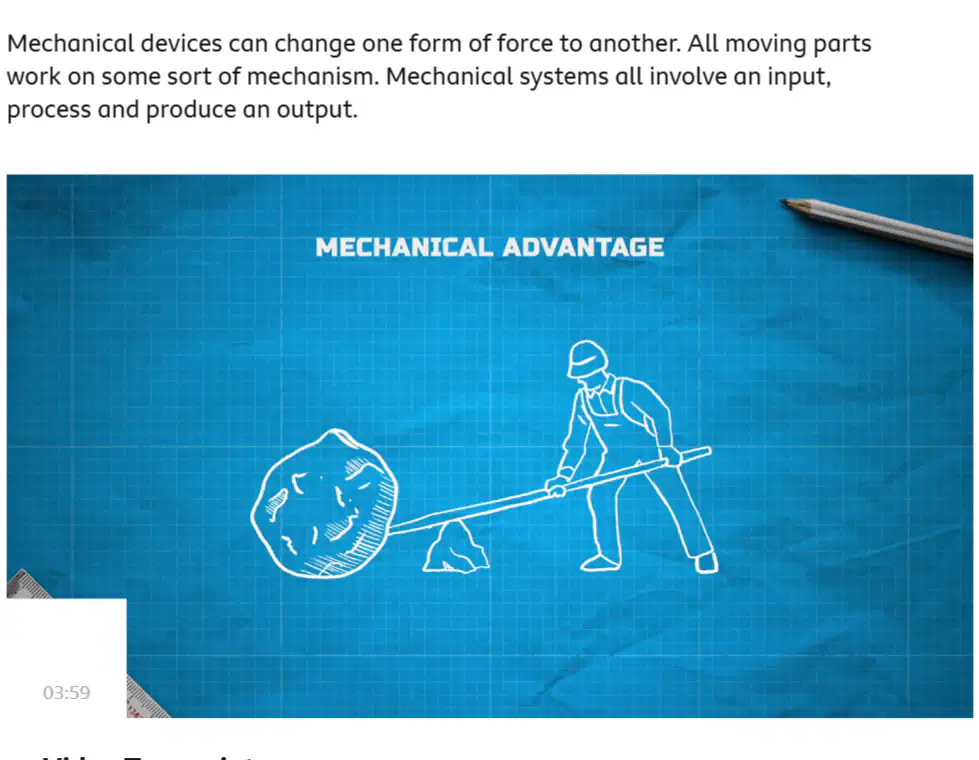
The role of mechanical devices in terms of force is to:
increase force
decrease force
change the direction of force
all of the above
The four types of motion are:
linear, rotary, reciprocating, and oscillating
Linear, Circular, Vibrational, and Translational
Rotational, Circular, Linear, and Periodic
Oscillatory, Linear, Circular, and Translational
Fill in the blank: The four types of motion are linear, rotary, reciprocating, and _______.
oscillating
circular
vibrating
translational
Which of the following is not a type of motion in mechanical devices?
Linear
Rotary
Reciprocating
Static
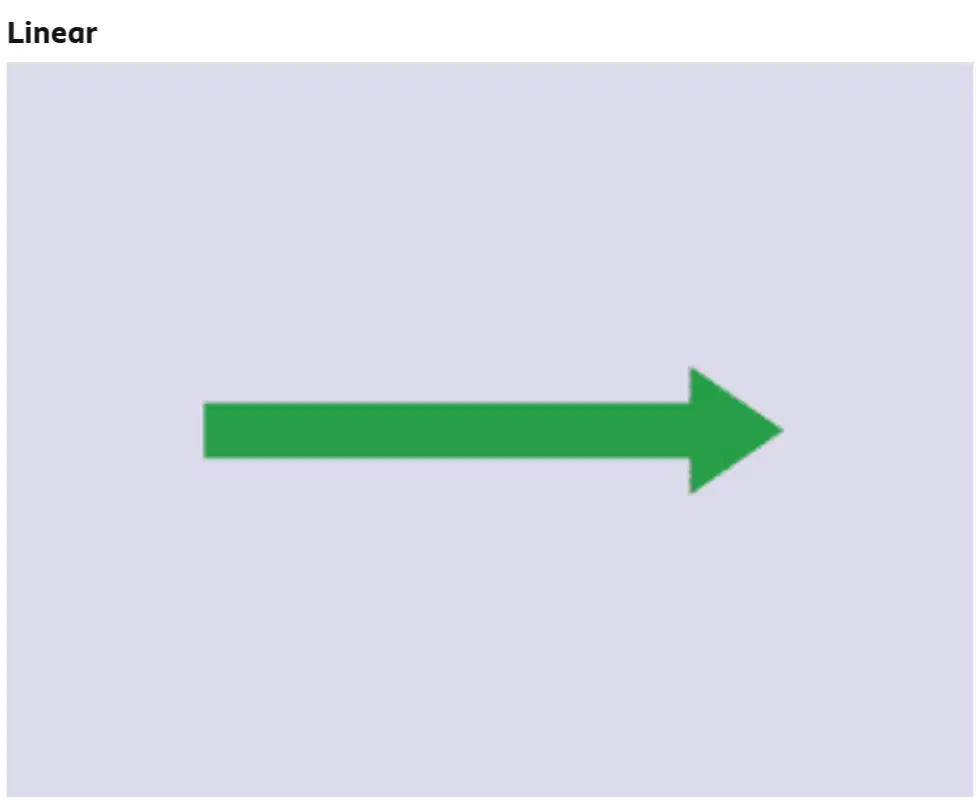
What type of motion is described as 'movement in a straight line'?
Rectilinear motion
Circular motion
Oscillatory motion
Rotational motion
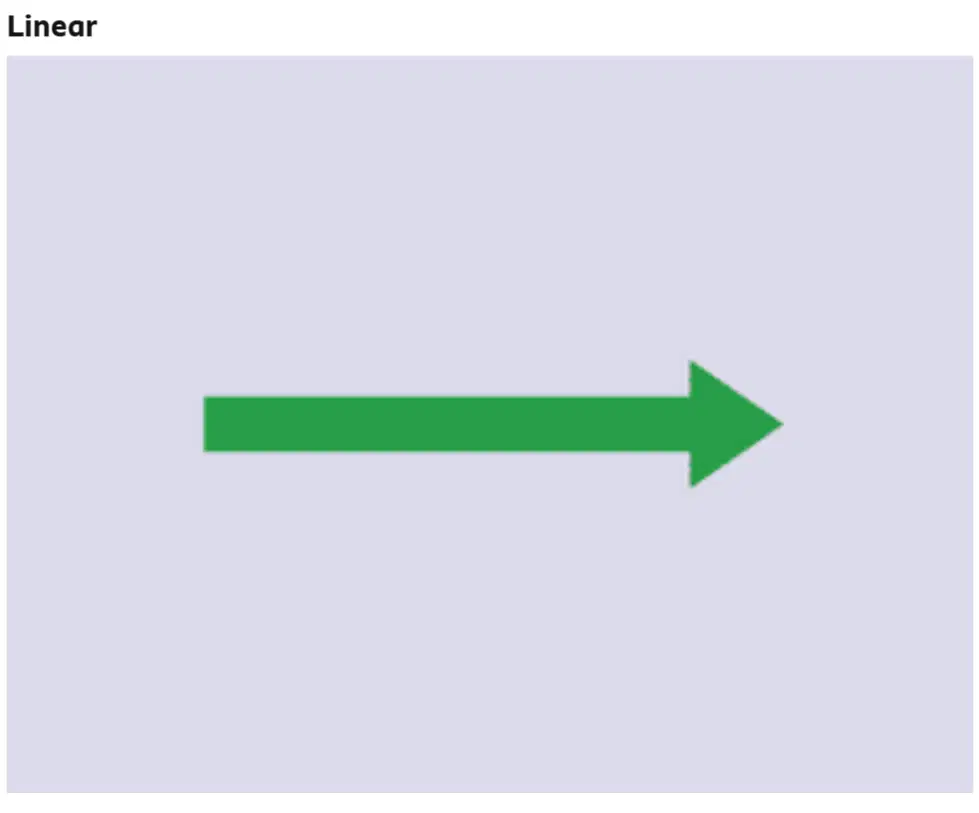
Which of the following is an example of linear motion?
Train moving down a track
Pendulum swinging
Wheel rotating
Piston moving up and down
Identify the type of motion: rotary, reciprocating, or oscillating.
rotary
reciprocating
oscillating
Which type of motion involves movement back and forth in a straight line?
Oscillatory motion
Circular motion
Rotational motion
Translational motion

What type of motion moves around an axis or pivot point?
A) Linear Motion
B) Rotational Motion
C) Oscillating Motion
D) Reciprocating Motion
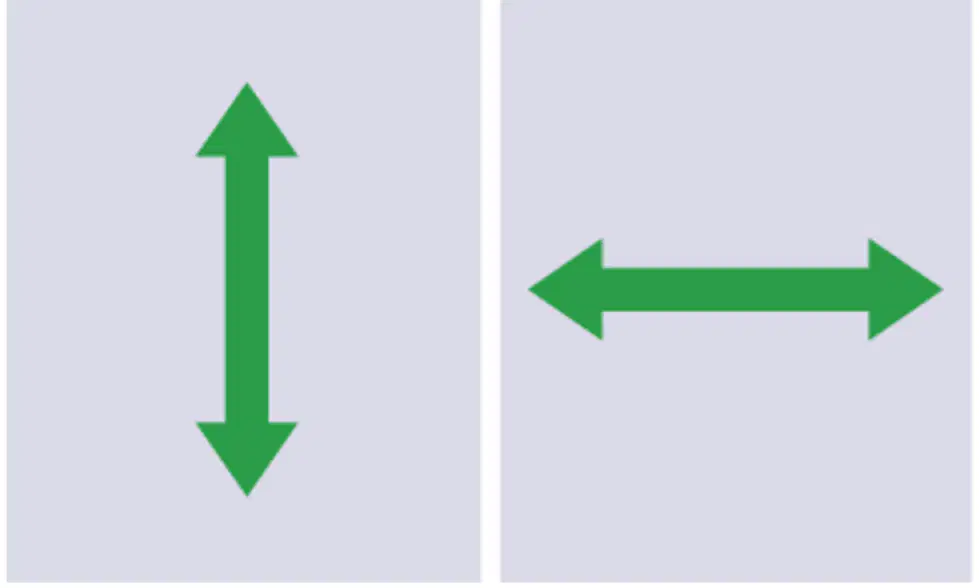
What type of motion is shown in the diagram with arrows pointing up and down?
A) Rotational
B) Reciprocating
C) Linear
D) Oscillating

The image of the sewing machine shows what type of movement?
Linear
Rotary
Oscillating
Reciprocating
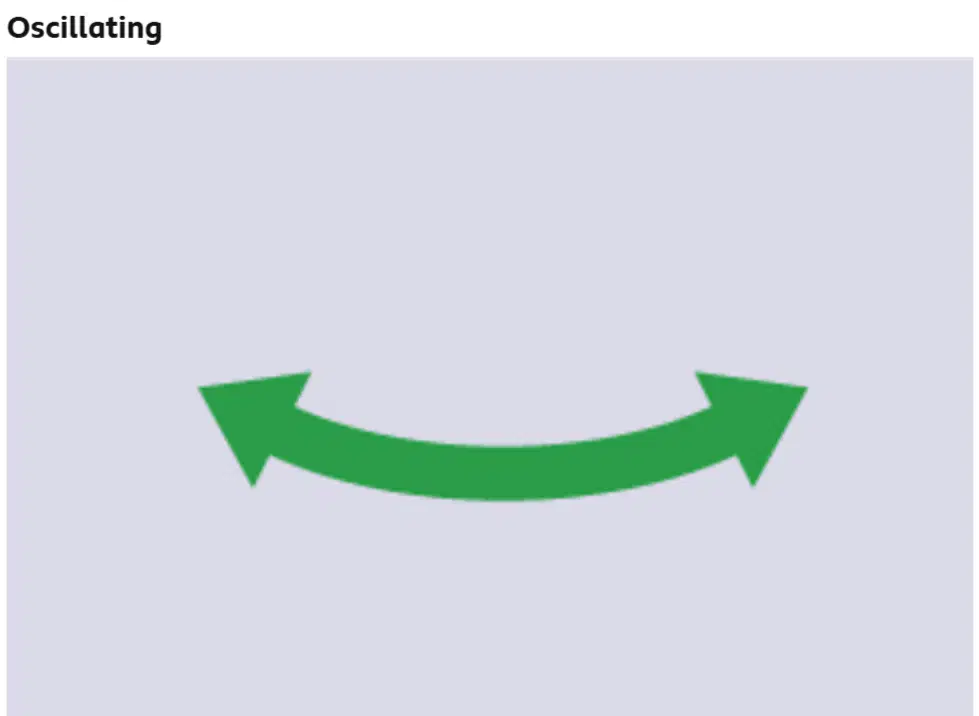
The oscillating arrow in the image represents:
A change in direction
A constant speed
An increase in speed
A decrease in speed
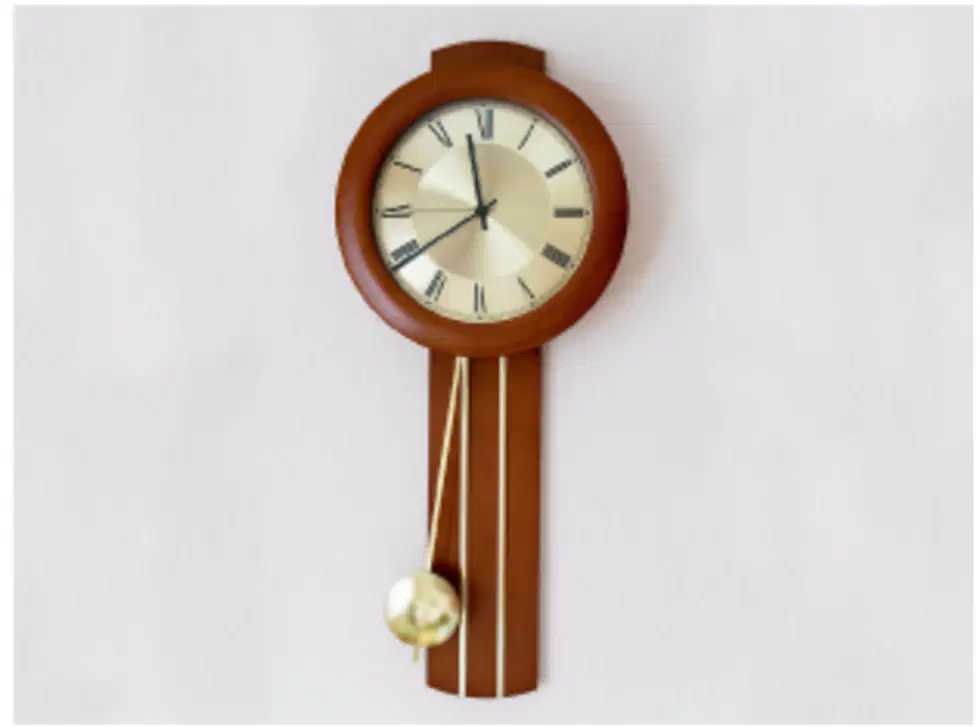
What type of movement is described as a curved movement backwards and forwards?
Identify the three main parts of a lever.
The three main parts of a lever are the fulcrum, the effort, and the load.
The three main parts of a lever are the pivot, the force, and the weight.
The three main parts of a lever are the hinge, the push, and the mass.
The three main parts of a lever are the axis, the pull, and the burden.
What is the part of the lever where it pivots called?
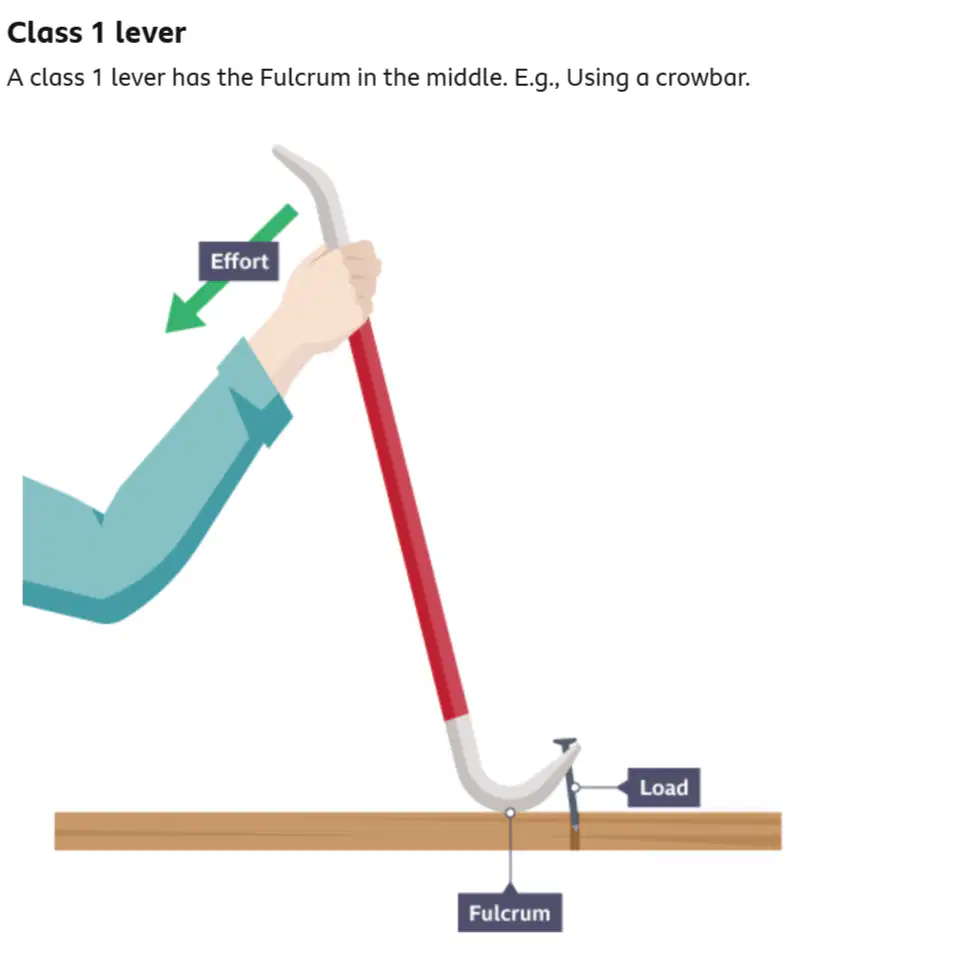
A Class 1 lever is a type of lever where the fulcrum is located between the effort and the load.
The fulcrum is between the effort and the load
The effort is between the fulcrum and the load
The load is between the fulcrum and the effort
The fulcrum is at one end
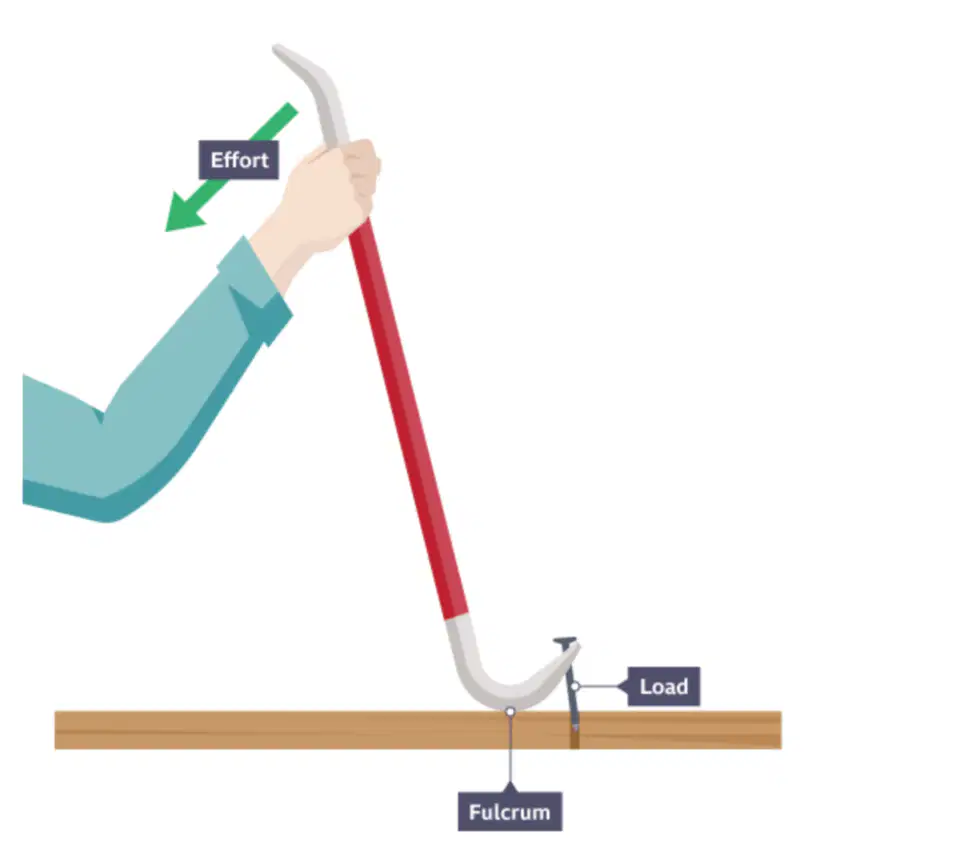
In a Class 1 lever, where is the fulcrum located?
Between the effort and the load
At the end of the lever
Near the load
Near the effort
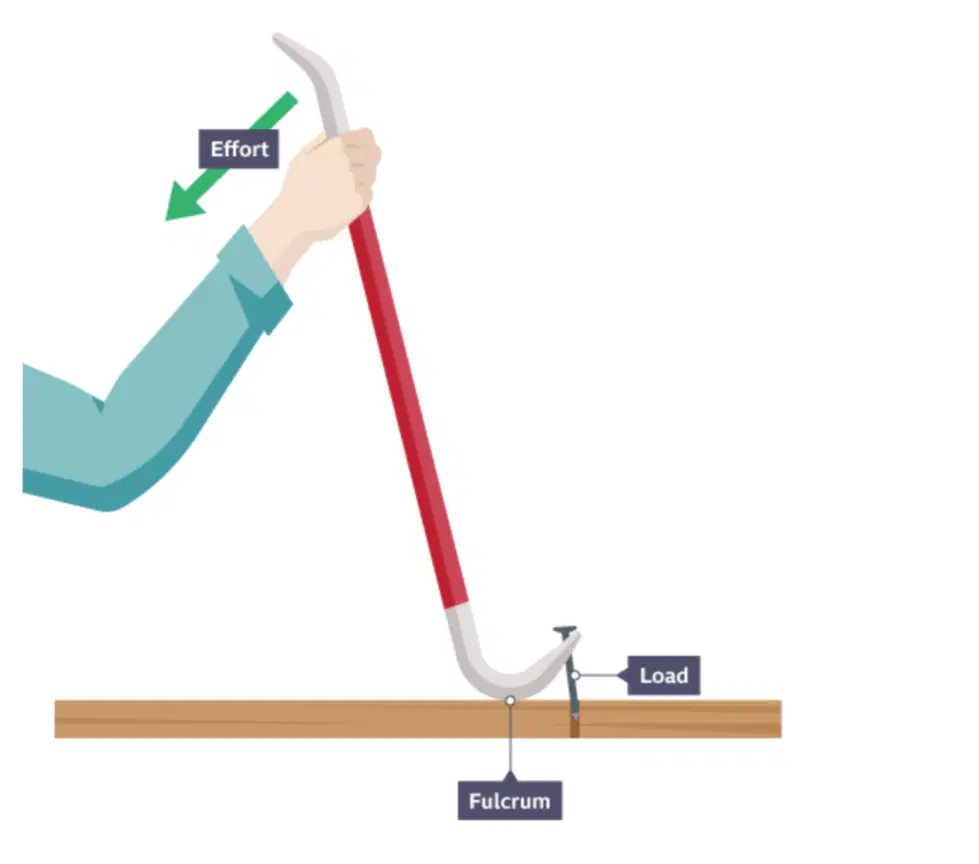
Which of the following is an example of a Class 1 lever?
Scissors
Crowbar
Wheelbarrow
Tweezers
What is shown in the diagram with the fulcrum in the middle?
Class 1 lever
Class 2 lever
Class 3 lever
Fill in the blank: A class 2 lever has the ______ in the middle.
Load.
Fulcrum.
Effort.
Pivot.
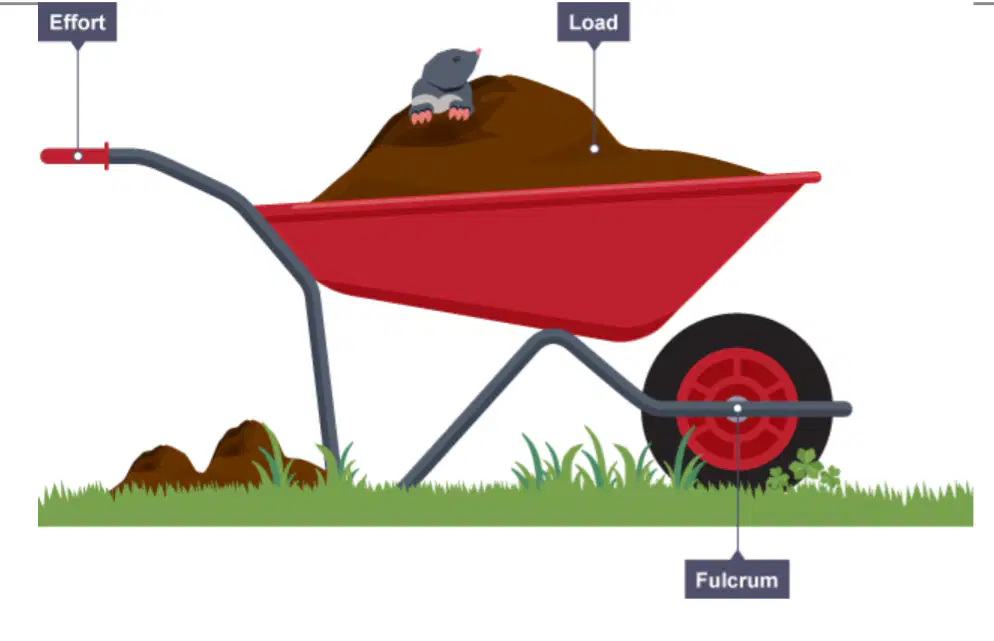
What type of lever is shown in the diagram?
A) Class 1 lever
B) Class 2 lever
C) Class 3 lever
What is the position of the Effort in a Class 3 lever?
At the end
In the middle
At the fulcrum
The function of the fulcrum in a lever system is to:
provide support and balance
increase the weight of the load
reduce friction
generate energy
Identify the part labeled as 'Effort' in the lever diagram.
Fulcrum
Load
Effort
Resistance
Mechanical advantage is a measure of the force amplification achieved by using a tool, mechanical device, or machine. What is mechanical advantage?
A measure of speed
A measure of distance
A measure of force amplification
A measure of time
What is a cam?
A device that moves up and down
Attached to a crankshaft, which rotates
A type of lever
A machine that provides mechanical advantage.
Identify the four main parts labeled in the diagram of the cam system.
Camshaft, Follower, Spring, Base
Cam, Follower, Shaft, Support
Wheel, Axle, Spring, Base
Cam, Gear, Lever, Support
Cams come in a variety of different shapes. Each shape leads to the follower producing a different outcome and are therefore used for different applications. True or False?
True
False
What is the function of the follower in a circular cam mechanism?
To rotate the cam
To convert rotational motion into linear motion
To provide support to the cam
To increase the speed of rotation
What type of cam is shown in the diagram?
Circular cam
Heart shaped cam
Elliptical cam
Square cam
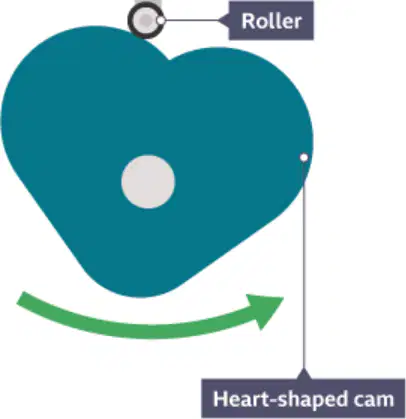
What is the shape of the cam shown in the diagram?
Circular cam
Heart-shaped cam
Elliptical cam
Drop cam
What are the three main types of followers mentioned in the text?
The function of a follower in a mechanical control system is to:
transmit motion
store energy
convert electrical signals
measure temperature
What type of mechanical control system is shown in the diagram?
A) Cam and follower
B) Gear train
C) Pulley system
D) Lever and linkage

