
 Worksheets
Economic Philosophies
Total questions: 13
Worksheet time: 22mins

In which economic system is the GOVERNMENT in control of land, resources, and factories?
Socialism
Capitalism

In which economic system are INDIVIDUALS in charge of owning land, resources, and factories?
Communism
Socialism
Capitalism
According to Adam Smith, who should make economic decisions?
Central government authorities
Wealthy elites
The working class
Individuals pursuing their own self-interest
What was Karl Marx's attitude toward private property?
He believed in the importance of private property rights.
He advocated for the common ownership of property.
He argued for state control of all property.
He saw property as a source of individual freedom.
What was the overall goal of Adam Smith's philosophy?
To establish a communist society based on collective ownership
To maximize individual freedom and promote economic prosperity
To centralize economic power in the hands of the government
To create a society where property ownership is abolished
What was the overall goal of Karl Marx's philosophy?
To maximize individual freedom and promote economic prosperity
To establish a communist society based on collective ownership
To create a society where property ownership is abolished
To centralize economic power in the hands of the government

In which economic system are the working class people as a WHOLE in charge of owning land, resources, and factories?
Communism
Socialism
Capitalism

Low production of resources is a weakness of which 2 systems?
Capitalism and Communism
Communism and Socialism
Socialism and Capitalism

The government is strongly involved in which economic system?
Capitalism
Socialism

Competition is encouraged in which system?
Communism
Capitalism
Socialism

__________ is known as the Father of modern economics, who theorized Laissez-Faire, the idea that the market should have no political interventions and today is known as Capitalism?
Adam Smith
Karl Marx
Thomas Malthus
Frederick Engels

Capitalism is
An economic system in which the means of production are privately owned and money is invested to make profits.
An economic system in which the means of production are owned by the public (government) and operate for the welfare of all.
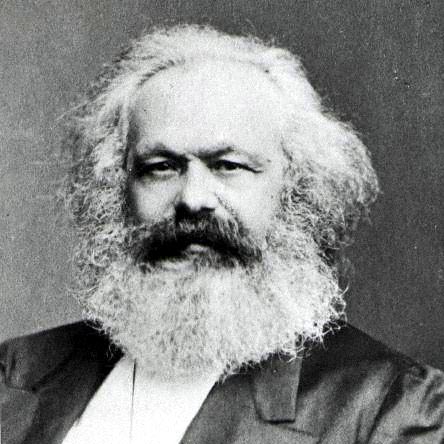
__________________ predicted a violent revolution that would result in the working class taking over in a classless political and economic systems known as communism.
John Adams
Thomas Smith
Karl Marx
Edward Jenner

