
 Worksheets
Psychology Unit-I&II
Total questions: 30
Worksheet time: 11mins
Who is considered the father of psychology?
Sigmund Freud
Wilhelm Wundt
John Watson
B.F. Skinner
Which psychologist is known for the theory of classical conditioning?
Jean Piaget
Albert Bandura
Ivan Pavlov
Erik Erikson
What is the primary focus of cognitive psychology?
Social interactions
Emotional states
Thought processes
Behavioral responses
Which of the following is a key concept in humanistic psychology?
Unconscious mind
Conditioned response
Operant conditioning
Self-actualization
The term ‘psychology’ is derived from the Greek words ‘psyche’ and ‘logos’, meaning:
Study of the soul
Study of the mind
Study of behavior
Study of emotions
Which branch of psychology studies mental disorders and their treatment?
Cognitive psychology
Clinical psychology
Educational psychology
Developmental psychology
The experimental method in psychology mainly focuses on:
Understanding individual experiences
Identifying cause-and-effect relationships
Studying past behaviors
Analyzing social interactions
A psychologist conducts a study by watching children in a playground without interfering. This method is called:
Case study
Experiment
Naturalistic observation
Survey
Which of the following methods is commonly used to measure people's attitudes and opinions?
Experiment
Survey
Case study
Introspection
The method of self-examination of one’s thoughts and feelings, introduced by Wilhelm Wundt, is called:
Psychoanalysis
Observation
Introspection
Cognitive appraisal
In experimental method, the variable that is manipulated by the researcher is called:
Dependent variable
Independent variable
Confounding variable
Control variable
A detailed study of a single individual or a small group over a long period is called:
Case study
Longitudinal study
Experimental study
Correlational study
A patient refusing treatment due to fear is best managed using:
Strict discipline
Patient education and reassurance
Ignoring the patient's concerns
Forcing the patient to comply
According to Maslow’s hierarchy of needs, which need must be fulfilled first?
Self-actualization
Safety needs
Physiological needs
Social belonging
The ability of a nurse to understand and share the feelings of a patient is called:
Sympathy
Empathy
Apathy
Aggression
The psychological principle that helps nurses reinforce positive behaviors in patients is:
Operant conditioning
Free association
Dream interpretation
Psychoanalysis
Applied psychology focuses on:
Conducting only theoretical research
Using psychological principles to solve real-life problems
Ignoring human behavior
Analyzing historical psychological theories
The body-mind relationship refers to:
The connection between physical health and mental well-being
The study of brain anatomy only
The difference between conscious and unconscious thoughts
The physical structure of the nervous system
Which system in the body plays a major role in linking the mind and body?
Digestive system
Skeletal system
Excretory system
Endocrine system
The fight-or-flight response is controlled by which part of the nervous system?
Parasympathetic nervous system
Central nervous system
Sympathetic nervous system
Somatic nervous system
Which of the following is an example of a behavior influenced by genetics?
Language spoken
Eye color
Intelligence and personality traits
Favorite type of music
Which part of the brain is primarily responsible for higher-order thinking and decision-making?
Cerebellum
Brainstem
Cerebrum
Medulla oblongata
Which lobe of the brain is responsible for processing visual information?
Frontal lobe
Temporal lobe
Parietal lobe
Occipital lobe
Which part of the brain is primarily involved in regulating emotions?
Frontal lobe
Occipital lobe
Limbic system
Parietal lobe
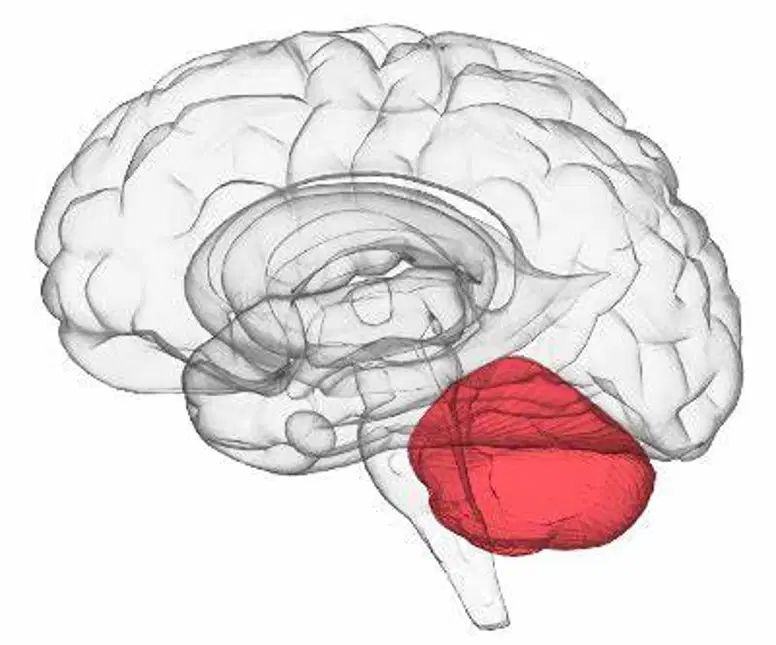
Identify the highlighted part
(a)
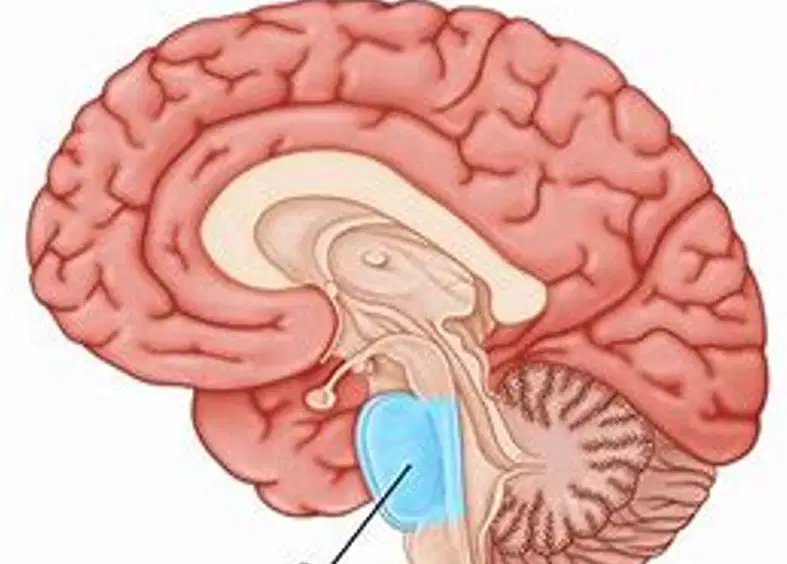
Identify the part
(a)
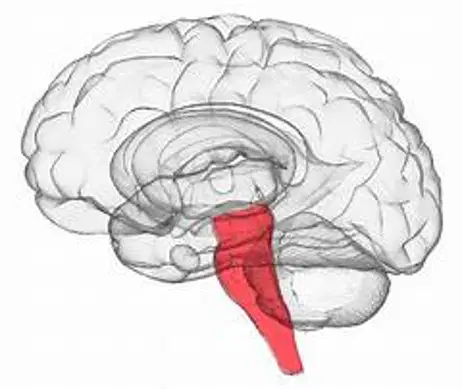
Identify the part
(a)
Which part of the brain regulates hunger, thirst, and body temperature?
Hippocampus
Hypothalamus
Thalamus
Cerebellum
The chemical messengers that transmit signals in the nervous system are called:
Hormones
Neurotransmitters
Enzymes
Nephrons
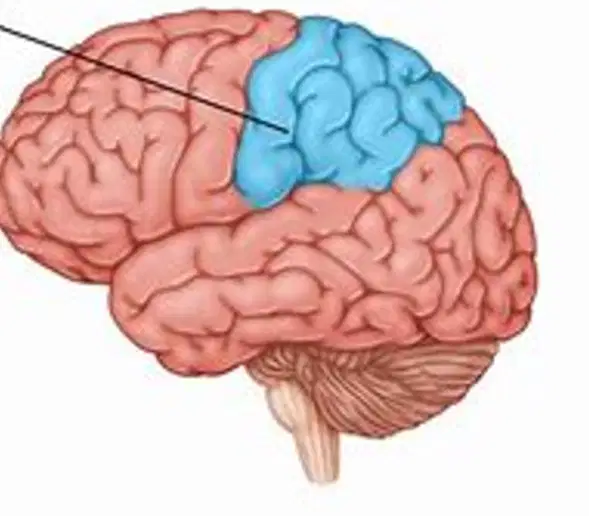
Name the lobe
(a)

