
Font size
 Worksheets
3BL SUTTON ANGLO SAXONS
Total questions: 56
Worksheet time: 33mins
Where is Sutton Hoo?
Suffolk
West Sussex
Shropshire
Wales
Who owned the land before World war two?
Edith Pretty
Edith Stephens
Edith Jones
Edith Jackson
Who led the excavation?
Basil Brown
Basil Yellow
Basil Red
Basil Purple
What did they find in the mounds?
Armour
Jewellery
Weapons
All of these
Was there a body found in the ship ?
No
Yes
where can the collection now be viewed?
The British Museum
Pevensey
Paris
New York
what was the ship made from?
Wood
plastic
Steel
Iron
What was left of the ship
A stained impression on the soil
The planks
The sails
The engine
what type of soil is there at Sutton Hoo?
Sandy
Clay
Rock
Limestone
How long was the ship?
30 metres
50 metres
75 metres
150 metres
What powered the ship?
28 Oars
28 sails
28 engines
28 hamsters
What was in the middle of the ship?
A triangular wooden chamber
A square wooden chamber
A circular wooden chamber
An oval wooden chamber
How had the boat been dragged to Sutton Hoo?
on rolling logs
by donkey
by Lorries
by Car
What poem tells of a ship burial?
Beowulf
Beodog
Beodonkey
Beohorse
what was the key thing missing from the burial?
A body
An I phone
An I pad
A mountain bike
What is a memorial without a body called?
A cenotaph
A grave
A Ship
A Canoe
Why could the body have dissolved?
The sand was acidic
It was stolen
The Sand was hot
The Sand was cold
Where could the water have pooled and been acidic?
In the Boat
In the shield
In the Helmet
In the Mountain Bike
What was the large wooden coffin used at Sutton Hoo called?
Sarcophogus
Cnotaph
A Long Boat
A short Boat
What had been placed at the top of the Sacrophagus?
A helmet
A mountain Bike
Outside Trainers
Wellies
What animals were on the helmet?
Dragon and Boars
Elephants and Tigers
Snake and Lions
Hamster and Fox
where have similar helmets been found?
Wales
Ireland
France
Sweden
based on the armour that was found - who do we think the dead man was?
A King
A Doctor
A Teacher
A Dentist
Why was the King buried with a Boat?
To carry him to the afterlife.
The King enjoyed sailing
The King did not have a car
His mountain bike was broken
what religion were the spoons connected with?
Christianity
Islam
Judaism
Sikhism
What do we think the name of the king was that was buried?
Redwald
Yellowald
Orangewald
Purplewald
What was the name of the place where the Saxons believed they went when they died?
The After Life
Wembley
The Millennium stadium
Stamford Bridge
Who did Pagans they paid to go to the after life?
The Doctor
The Teacher
The Ferryman
The Butcher
What did many Pagans use to pay the ferryman? These would be buried with them
Coins
Amazon Vouchers
Waterstones Vouchers
John Lewis Vouchers
In the Sutton Hoo Burial who was to be paid with the 40 coins?
The Oarsmen
The Doctor
The Teacher
the farmer
How many burial mounds are there at Sutton Hoo
20
40
60
80
The British Museum is a museum of...
modern art.
human history and culture.
natural science.

A replica is?
Something that existed at the time of the vikings
Something made based on a real item
Something completely made up

Where did the Anglo-Saxons come from?
Northern Germany, Denmark and northern Holland
Northern Germany, China and northern Holland
Northern Germany, Denmark and Italy
Southern Germany, Denmark and northern Holland
What skills did the Anglo-Saxon have?
Hunting, technology, textile production and architecture.
Meditation, farming, math and leather working.
Hunting, math, cycling and leather working.
Hunting, farming, textile production and leather working.
Why did the Anglo-Saxons invade Britain?
They were looking for new places to settle down and farm
They were looking for new places to build shops
They were looking for new places to build factories
They were looking for new places to sell weapons
What was the name of the battle that took place in 1066AD?
The Battle of Hastings
The Battle of Watling Street
The Battle of Ireland
The Battle of Brighton
Most Anglo Saxons were _____________________________________
Shop owners
Sailors
Farmers
Doctors
How did the Anglo Saxons punish crime?
People were punished lightly for their crimes. They were only sent to prison if they killed somebody important.
If one member of the community committed a crime, everyone was in charge of finding the criminal. The community would be responsible for dishing out the punishment.
The criminal was sentenced to death.
Anglo-Saxons' houses were made of...
Concrete
Plastic
Wood
Bricks
Which of these are Anglo-Saxon Kings? Tick Three
King Alfred the Great
Tutankhamun
Edward the Confessor
King Athelstan
Who defeated the Anglo-Saxons at the Battle of Hastings in 1066?
Harold
William
Edward
Alfred
What did Anglo-Saxon commonly call Vikings?
Danes
Barbarians
Norsemen
Scandinavians
What were the Anglo-Saxon kingdoms known as?
The Seven Kingdoms
The Viking Lands
The Roman Empire
The Celtic Tribes
What was the center of communal life for the Anglo-Saxons?
The church
The castle
The hall
The market
Anglo Saxons turned…. after the arrival of Augustine
christians
polytheists
pagans
Ecclesiastical History of Britain was written by…
Monk Bede
King Alfred
Edward
What language did the Anglo-Saxons speak?
Middle English
French
Latin
Old English
What are some common themes in Anglo-Saxon literature?
nature, beauty, harmony
love, betrayal, forgiveness
romance, comedy, tragedy
heroism, fate, loyalty, struggle between good and evil
Who is the author of Beowulf?
Unknown
Homer
William Shakespeare
J.R.R. Tolkien
What is the historical context of Beowulf?
Early medieval period
Industrial revolution
Renaissance period
Victorian era
Men shared time together in this place.
It served as a recreation center, hotel, bar, restaurant, and lounge.
mead hall
battle hall
shire court
folk right
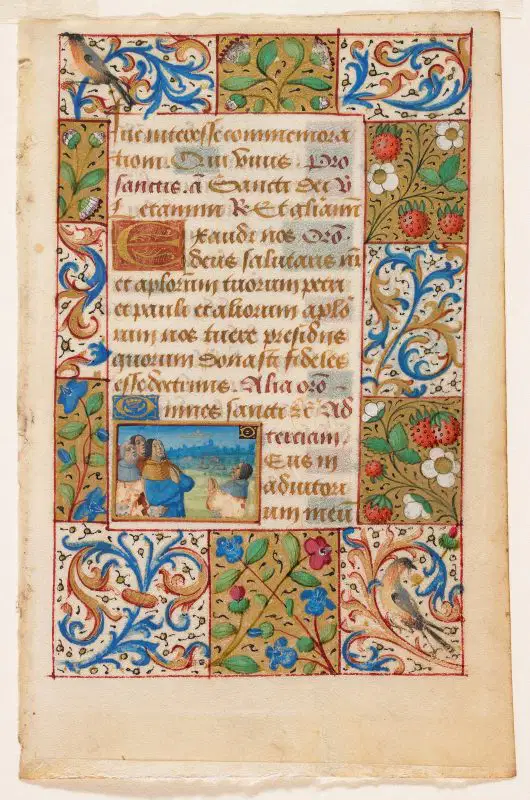
This is an example of:
Sutton hoo
Shrek's script
illuminated manuscript

