
 Worksheets
Civics unit 3 EC
Total questions: 13
Worksheet time: 11mins
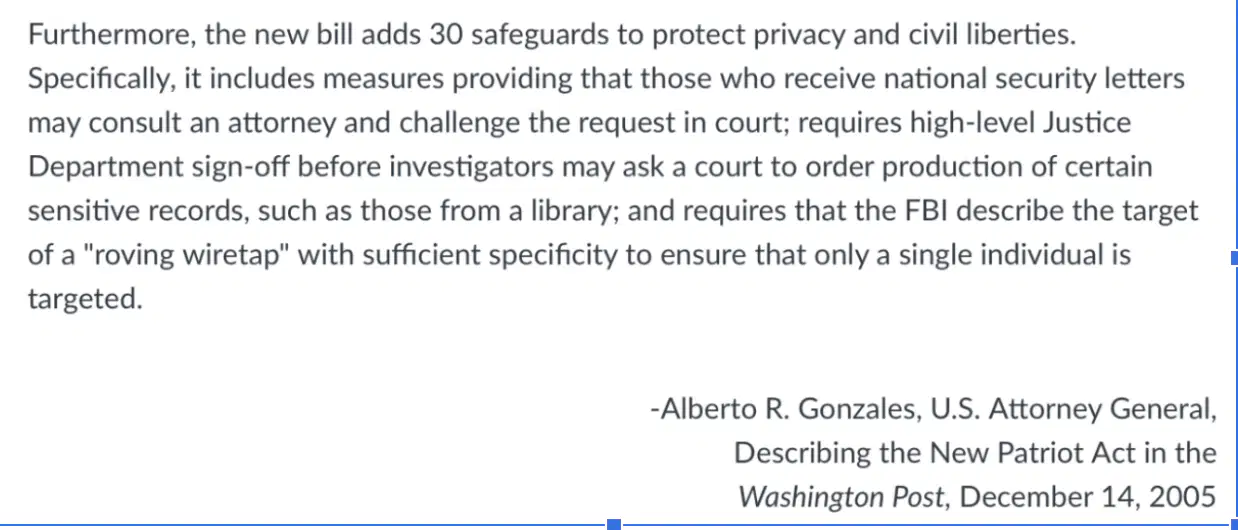
What is the federal government trying to prevent by requiring Justice Department approval of court-ordered requests for information?
Due process
Unreasonable searches
Grand jury inquiries
Double jeopardy
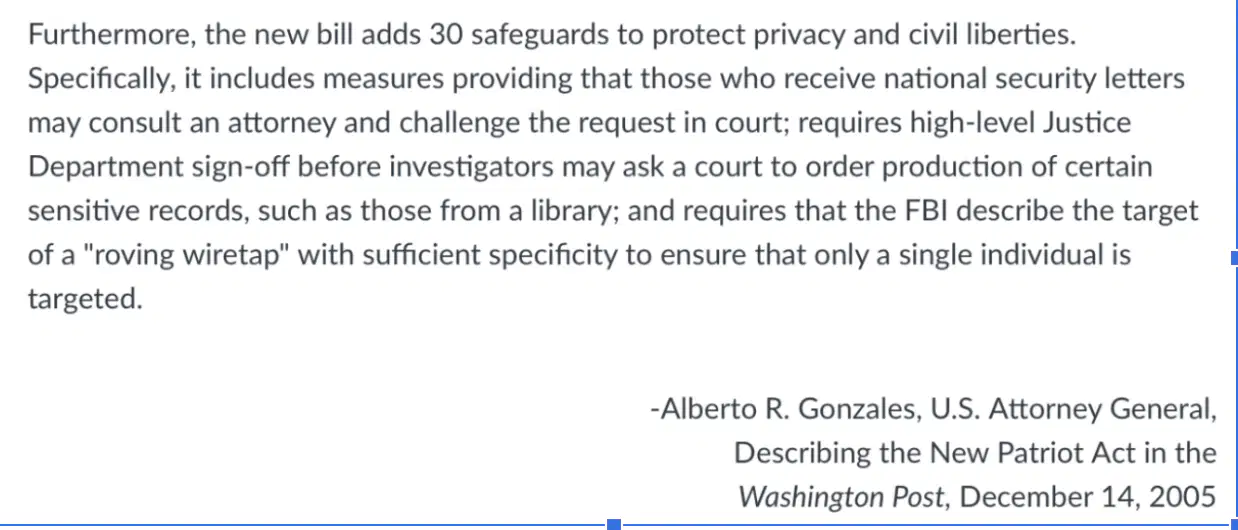
Requiring the FBI to describe specific targets of a roving wiretap may help ensure that
the grand jury obtains sufficient evidence for an indictment.
the targets do not leave the country.
the targets have an opportunity to hear the charges against them.
there is probable cause to investigate the targets
In which order did amendments to the Constitution protect the voting rights of African Americans and the following groups?
women; African Americans;Washington, D.C., residents; young adults 18 and older
African Americans; Washington,D.C., residents; women; young adults 18 and older
African Americans; Washington,D.C., residents; young adults 18 and older; women
African Americans; women;Washington, D.C., residents; young adults 18 and older
On the basis of which amendment did the Supreme Court decide in 1954 that segregation of schools was unconstitutional?
Which clause in the First Amendment prohibits the government from creating a state religion?
Diddy is in some legal trouble in New York. He surrendered to police and was treated to proper due process, when he was finger printed, mugshot, and bailed. What legal term refers to formal charges or accusations against a person, such as Diddy, in this scenario (5th amendment)?
What compromise resolved the issue of representation in Congress during the Constitutional Convention?
How is the NC Constitution amended, and how does this process differ from amending the U.S. Constitution?
In 1964, the Twenty-fourth Amendment helped fulfill the promise of the Fifteenth Amendment (1870) by
Affirmative action programs were designed to correct which of the following practices?
What is a group of citizens convened to review evidence and determine whether there is enough to bring a person to trial (5th amendment)?
Because the Fifteenth Amendment did not address the issue directly, state governments spent many years after the civil war
In 1919 (when the 19th amendment passed), you would have had the legal right to vote in national elections unless you were
Men of any race
residents of NC
Women of any races

