
 Worksheets
310 Biomass and Fossil Fuels Quiz
Total questions: 32
Worksheet time: 21mins
What is biomass?
A type of fossil fuel
A biological material that can be burnt to produce heat
A synthetic chemical used in manufacturing
A mineral used in construction
Why does burning fossil fuels contribute to global warming?
They release oxygen into the atmosphere
They absorb carbon dioxide from the atmosphere
They release stored carbon dioxide into the atmosphere
They cool down the Earth's surface
How does biomass differ from fossil fuels in terms of carbon dioxide release?
Biomass releases more carbon dioxide than fossil fuels
Biomass absorbs carbon dioxide and does not release it
Biomass releases carbon dioxide but does not add to global warming
Biomass does not release any carbon dioxide
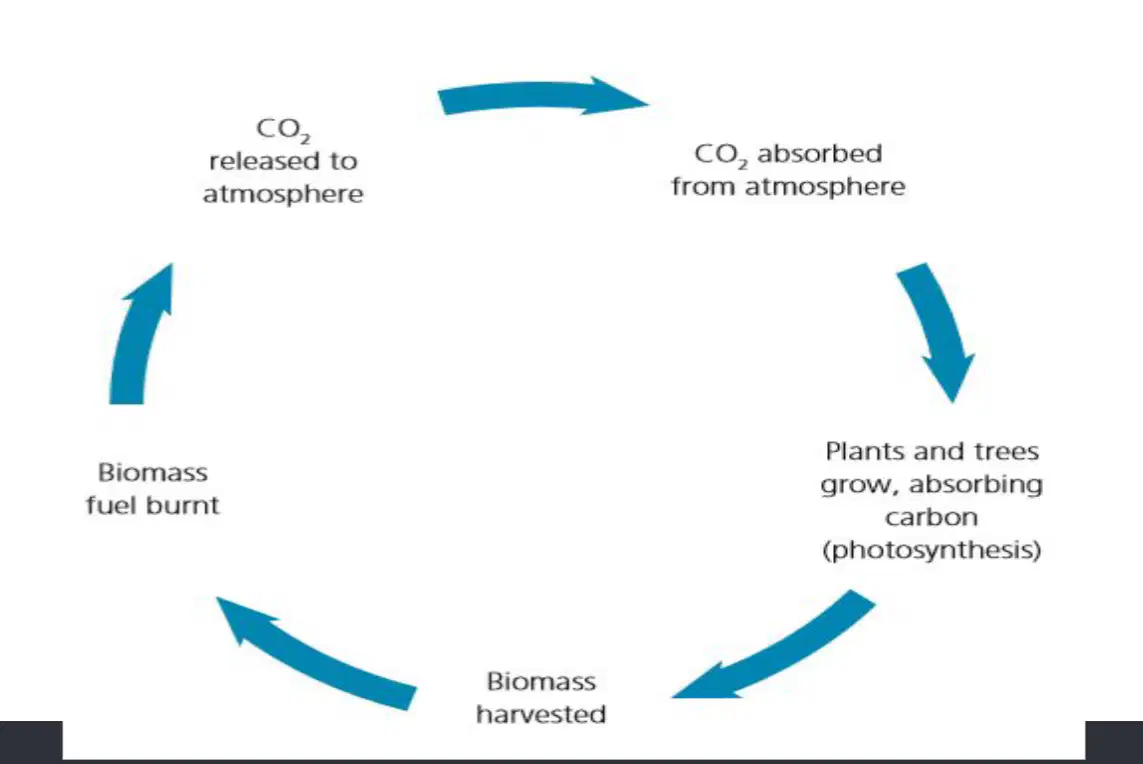
What process involves plants and trees absorbing carbon from the atmosphere?
Combustion
Photosynthesis
Respiration
Decomposition
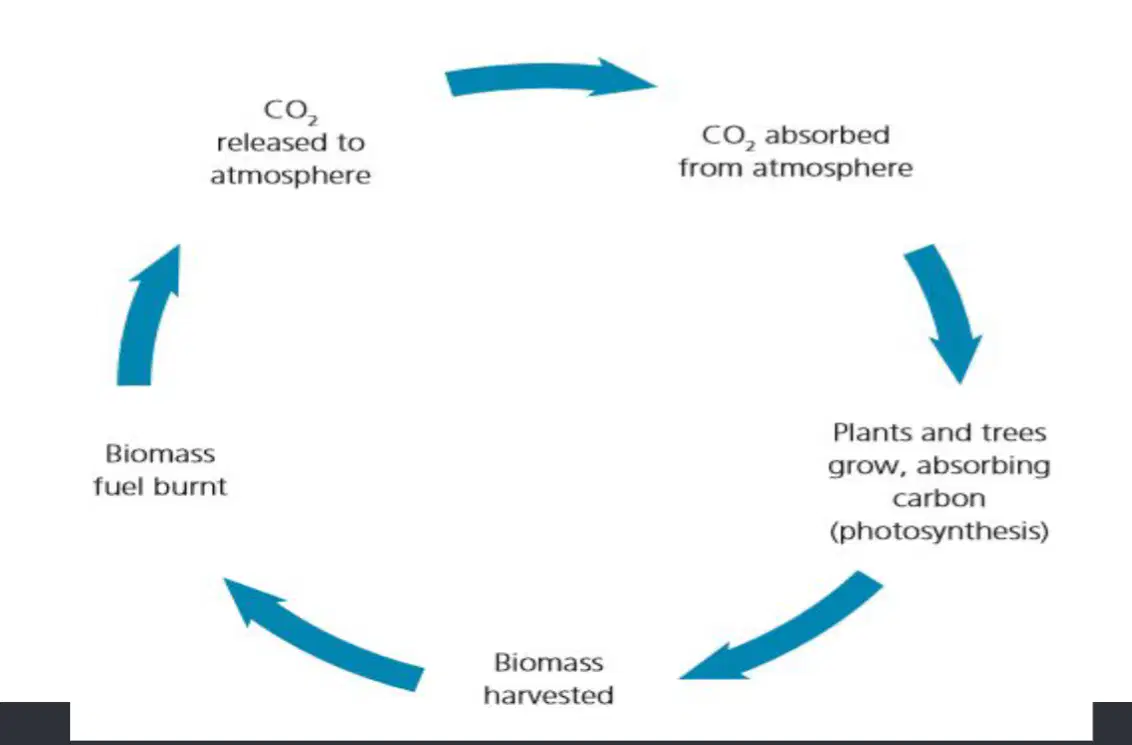
What happens to CO2 when biomass fuel is burnt?
It is absorbed by plants
It is released to the atmosphere
It is converted to oxygen
It is stored in the soil
Which of the following is a characteristic of biomass compared to fossil fuels?
Biomass has a higher heat output.
Biomass is more dense.
Biomass is sustainable if correctly managed.
Biomass requires less storage space.
Which of the following is NOT a biomass material?
Wood
Coal
Elephant grass
Food waste
What is a requirement for storing biomass materials?
Small storage facilities
Large storage facilities
No storage facilities
Underground storage facilities
What is a potential crop rotation period for wood-related biomass?
1-2 years
3-5 years
6-8 years
9-10 years
Which of the following is NOT a common form of wood-related biomass?
Logs
Wood chips
Wood pellets
Plastic pellets
What happens to the calorific value of wood as it becomes wetter?
It increases
It decreases
It remains the same
It doubles
What is one of the location and building requirements for installing a biomass boiler?
Why might biomass boilers not be permitted in certain areas?
They require too much water
They are too noisy
They may not be permitted in a smokeless zone
They are too expensive
What is necessary for biomass deliveries when installing a biomass boiler?
Good vehicle access
A large workforce
A nearby airport
A river dock
What is the relevance of Building Regulation A: Structural safety?
Water efficiency
Installation of supply and control wiring for the system
Where components affect the load placed on the structure of the building or excavations are close to the building
The efficiency of the appliance and system including insulation
Which Building Regulation is concerned with fire safety?
Regulation B
Regulation E
Regulation J
Regulation L
What does Building Regulation C focus on?
Resistance to sound
Resistance to contaminants and moisture
Heat producing appliances
Electrical safety
Which Building Regulation deals with the installation of supply and control wiring for the system?
Regulation P
Regulation G
Regulation A
Regulation J
What is the focus of Building Regulation L?
Sanitation, hot water safety, and water efficiency
Conservation of fuel and power
Fire safety
Resistance to sound
When is planning permission not normally required for installing a biomass boiler?
When the installation is external
When the installation is internal
When the property is listed
When the property is in a conservation area
What should be checked with the local authority if the installation requires an external flue?
What must be done if the property is a listed building or within a conservation area?
No action is needed
Check with the local authority for internal and external work
Only external work needs checking
Only internal work needs checking
What is the main concern of The Water (Water Fittings) Regulations 1999?
Installation of electrical systems
Contamination between system water and potable water
Maintenance of plumbing systems
Water conservation
What does BS7671 cover?
Water conservation methods
Installation and maintenance of electrical connections
Plumbing system design
Wastewater treatment
What is one of the benefits of biomass ?
It is a non-renewable resource.
It is a carbon neutral installation.
It produces high levels of sulphur dioxide.
It is a fossil fuel.
Which of the following is true about the waste gases from biomass?
They are high in nitrous oxide.
They contain sulphur dioxide.
They are low in nitrous oxide and contain no sulphur dioxide.
They are high in carbon monoxide.
What type of fuel source does biomass use?
Non-renewable
Fossil fuel
Sustainable
Nuclear
Which gases are mentioned as greenhouse gases ?
Carbon monoxide and methane
Nitrous oxide and sulphur dioxide
Oxygen and nitrogen
Hydrogen and helium
What is one of the limitations of transporting biomass material?
It is lightweight and easy to transport.
It is expensive to transport.
It requires no special equipment.
It is always transported in liquid form.
Why is storage space required for biomass fuel?
Because it is delivered in small quantities.
Because it is delivered in bulk.
Because it evaporates quickly.
Because it is highly flammable.
What is a challenge in controlling heat when using biomass?
The control of heat is instant.
The control of heat is not instant.
The heat is always too low.
The heat is always too high.
What system is required for using biomass effectively?
A cooling system.
A suitable flue system.
A water filtration system.
A solar panel system.

