
NEW
Font size
 Worksheets
EMS Respiratory System & Conditions
Total questions: 25
Worksheet time: 13mins
The purpose of the respiratory system is to:
transport nutrients throughout the body
regulate body temperature
facilitate the exchange of oxygen and carbon dioxide
protect the body from pathogens
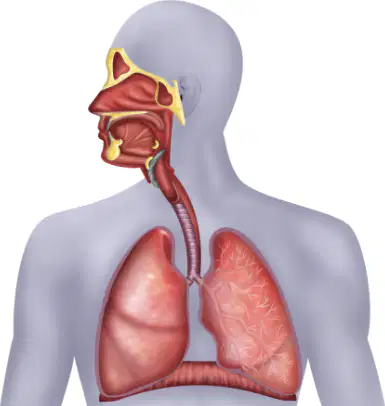
What is the primary function of the respiratory system?
Digestion
Breathing
Circulation
Excretion
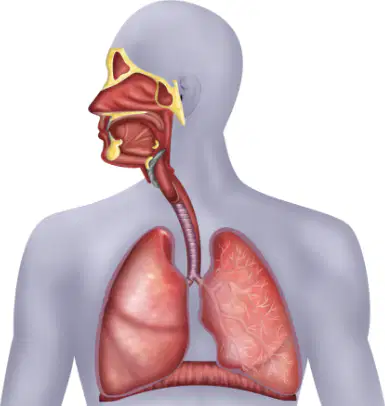
The respiratory system takes in ______ and removes carbon dioxide.
oxygen
nitrogen
hydrogen
argon
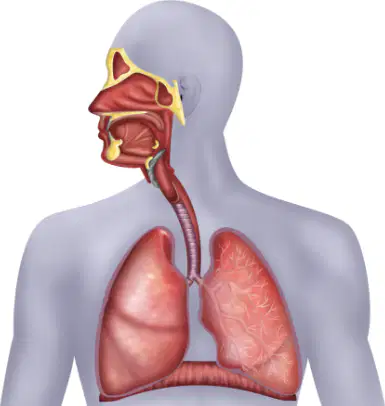
Which body system does the respiratory system work closely with to ensure blood is oxygenated?
Digestive system
Nervous system
Cardiovascular system
Muscular system
Fill in the blank: The lower respiratory tract consists of the trachea, lungs, bronchi, bronchioles, and _______.
the diaphragm
the esophagus
the larynx
the pharynx
The nasal cavities are lined with ______ that help sweep mucus and debris.
cilia
villi
flagella
microvilli
The larynx is lined with a ________ membrane.
mucous
serous
synovial
cutaneous
What is the larynx also known as?
Voice box
Windpipe
Esophagus
Nasal cavity
The larynx contains the _______ to prevent food or liquid from entering the trachea.
epiglottis
vocal cords
thyroid gland
esophagus
What is the trachea also known as?
Windpipe
Esophagus
Bronchi
Larynx
The role of the trachea in the respiratory system is to:
filter and humidify the air we breathe
exchange gases between the bloodstream and the lungs
transport air to and from the lungs
protect the lungs from infection
What is the trachea formed by?
10 to 15 C-shaped pieces of cartilage
16 to 20 C-shaped pieces of cartilage
20 to 25 C-shaped pieces of cartilage
25 to 30 C-shaped pieces of cartilage
Where are the lungs located?
Abdominal cavity
Thoracic cavity
Cranial cavity
The lungs contain bronchi, bronchioles, and _______.
alveoli
capillaries
veins
arteries
The parietal pleura is the layer lining the wall of the thoracic cavity.
True
False
What is the main difference between the right lung and the left lung?
The right lung is larger and contains three lobes, while the left lung is smaller and contains two lobes.
The right lung is smaller and contains two lobes, while the left lung is larger and contains three lobes.
Both lungs are identical and contain the same number of lobes.
Which gender is most commonly diagnosed with asthma?
Both equally
Neither
Female
Male
What does COPD stand for?
Chronic Obstructive Pulmonary Disease
Chronic Obstructive Pulmonary Disorder
Chronic Obstructive Pulmonary Distress
Chronic Obstructive Pulmonary Dysfunction
What is the most critical complication associated with epiglottitis that requires immediate medical attention?
Loss of voice
Airway obstruction
High fever
Difficulty swallowing
What is the primary cause of cystic fibrosis?
Inherited from both parents
Viral infection
Bacterial infection
Environmental factors
Which diagnostic tool is commonly used to detect a pulmonary embolism?
Ultrasound
MRI
CT scan
Chest X-ray
What are the two most common types of COPD?
Asthma and bronchitis
Emphysema and chronic bronchitis
Asthma and pneumonia
Pneumonia and emphysema
What is asthma?
A viral infection of the throat
A bacterial infection of the lungs
A chronic inflammatory disease of the airways
A genetic disorder affecting the lungs
What is a pulmonary embolism?
An inflammation of the bronchial tubes
A blockage in one of the pulmonary arteries in the lungs
A genetic disorder affecting the respiratory system
An infection in the lung tissue
What is pneumonia?
An infection that inflames the air sacs in one or both lungs
A chronic condition that narrows the airways
A genetic disorder affecting the digestive system
An inflammation of the throat and vocal cords

