
 Worksheets
RLA
Total questions: 211
Worksheet time: 4hrs 19mins

Which sentence states a central idea of paragraphs 1 and 2? (RI.6.2 Central Idea)
Streams are normal parts of natural settings.
Streams are vital resources for people.
Streams are only found outside of cities.
Streams are different in various landscapes.
Part A: What is the author’s purpose for using the phrase “Often they lie low”
in paragraph 2?
to provide an example of an urban stream
to show that urban streams are often polluted
to contrast an urban stream with a rural stream
to show that urban streams are not easily seen

Part B
Which quotation from paragraph 2 supports the answer to Part A?
“ . . . when people, buildings, and streets are around.”
“ . . . flowing under sidewalks. . . .”
“ . . . meandering past ball fields. . . .”
“ . . . rippling by shopping centers.”

Read the sentence from paragraph 3.
Streams, stream banks, and the low lands around them
provide important habitat for animals and plants that share the urban/suburban landscape with us.
What does the word habitat mean as it is used in the sentence?
area
environment
shelter
territory

How do paragraphs 4 and 5 support the central idea that streams are important to urban and rural settings?
They discuss the importance of both types of streams.
They elaborate on how streams provide resources to plants.
They detail similarities and differences of both types of streams.
They explain why natural streams are better than urban streams.

How does the author introduce the idea of urban streams?
by pointing out that urban settings also have streams
by preparing readers to think only about rural streams
by getting readers to focus on the characteristics of all streams
by presenting readers with the transition from rural to urban streams

Read the sentence from paragraph 5.
Instead it hits impervious surfaces like hard pavement and rooftops and has no chance to infiltrate the soil.
What is the meaning of the word impervious as it is used in the sentence?
affected
cracked
exposed
resistant

Read the sentence from paragraph 7.
If all this extra water is diverted directly into a stream channel, several important changes will occur.
What is the meaning of the word diverted as it is used in the sentence?
pushed
sped forward
brought together
redirected

Based on the information in paragraph 8, what inference can be drawn about water movement in cities?
Natural waterways have disappeared.
Natural waterways are overloaded with rainwater.
There are fewer natural waterways now than in the past.
Flooding is caused when man-made waterways overflow.
Part A What is the author’s purpose in this passage?
to describe to readers the creation of urban and rural streams
to explain to readers the flooding of streams in rural and urban areas
to persuade readers that urban and rural streams are important to cities
to inform readers about the differences between rural and urban streams
Which quotation from the passage supports the answer to Part A? (To inform readers about the difference between rural and urban streams)
“Streams are an important part of every landscape, no matter whether that landscape is a forest, a city, or a suburb.” (paragraph 2)
“They are also part of the network of channels that drains rain and melting snow off our streets, parks, and yards.” (paragraph 3)
“Urban streams tend to carry more water at a faster speed after a storm than their country cousins.” (paragraph 4)
“Storm water has no choice but to flow downhill into street drains and ditches and then into streams.” (paragraph 5)
Part A What is a central idea of the passage “Streams in the City”?
Streams in the city contain more water than streams in the forest.
Groundwater flows slowly underground and empties into stream channels.
Rainfall in suburban areas lands on hard surfaces, so it cannot infiltrate the soil.
City streams are different from streams that are found in the forest and other natural areas.
Part B Which statement supports the answer from Part A?
The fast-moving water in streams erodes the banks of the streams.
Streams provide habitat for many animals and plants that live around them.
Only about half the rain that falls in the forest falls to the earth and soaks into the ground.
Streams that are found in the city tend to contain more water and move faster than streams in the forests.

Read paragraphs 9–10. How does the author use the diagram to develop an understanding of streams in natural landscapes and urban landscapes?
by showing how a stream looks in each setting
by showing where the water goes in each setting
by showing the effects of infiltration in urban streams
by showing how wider channels exist in rural streams
The STRUGGLE or CHALLENGE in the story
Colorado
Setting
Plot
Conflict

What is number 3 on the plot diagram?
Climax
Pizza
Exposition
Rising action
who is a protagonist?
a boulder
the main character
a pimple
Voldemort
Indirect characterization (a) the reader what the characters personality is.

What is number 5 on the plot diagram?
I have no clue
Exposition
please help
Resolution
Direct characterization (a) the reader what a characters personality is.
Braxton couldn't ride his bike to school like he wanted because it was raining cats and dogs outside.
Character vs. Nature
Character vs. Self
Character vs. Society
Character vs. Character

What is number 2 and 4 on the plot diagram?
Rising and Falling action
Resolution and Climax
Rising and Exposition
Falling and I don't know
Abby was upset her teacher dress coded her because of her dress. What conflict is this?
Character vs. Nature
Character vs. Society
Character vs. Character
Character vs. People
The exposition in a story is at the_______.
End
Middle
Beginning
Not in the story.
What is the setting in "All Summer in a day"?
(a)
How well do you think you will do on the Quiz?
Good
Absolutely amazing
Wait we have a quiz?
Eh so-so
Which resource would be BEST for learning the pronunciation of a word?
thesaurus
glossary
encyclopedia
dictionary
Select the meaning of the word nonfiction if the Latin prefix non- is removed.
biographical information
imaginary story
directional instructions
formal scientific information
"A Zebra's stripes is like the fingerprints of all people; all are different."
What change, if any, should be made to the above sentence?
stripes is to stripes are
stripes is to stripes have been
stripes is to stripes were
no change
Before we cross the desert in the car, Mom always says, "Fill up the water jugs."
What is the first way a student should try to determine the meaning of the word desert in the above sentence?
ask the teacher
use a dictionary
use a thesaurus
use context clues
Read the following:
The tears of sadness fell down the side of her nose like little drops of rain.
Select the literary device used in the above sentence.
hyperbole
simile
onomatopoeia
personfication
Read the following:
Whether Grace or Linne will be able to play basketball tomorrow, that is the big question.
What is the effect of the subordinating conjunction on the above sentence?
The sentence is a compound sentence.
The sentence is a complex sentence.
The sentence is a simple sentence.
no change
Read the following:
STOP! Road closed for vehicles beyond this point.
Why is the interjection "Stop!" used in the road sign?
to share ideas
to show pain
to get immediate results
to explain suggestions
An author would most likely use the pronouns I, me, mine, we, and ours if the text were written in:
first-person point of view
second-person point of view
third-person point of view
third-person omniscient point of view
What is the difference between literary text and informational text?
Which literary element includes the events in the story?
setting
characters
characterization
plot
All of the following would be included in a paraphrase except
main idea
new information
supporting details
all details
Which genre usually has a moral or teaches a lesson?
legend
fairy tale
myth
fable
Complete the following analogy:
Sock is to foot as shell is to ________?
fish
bird
turtle
rabbit
All of the following are essential (important) to a good paraphrase EXCEPT:
The last line of the paraphrase is the reader's opinion of the original text.
The words of the paraphrase are simplified from the original text.
The paraphrase is usually longer than the original text.
Names and dates may be copied from the original text.
What does a student analyze (LOOK CLOSELY) when comparing two or more biographical texts?
the authors' details about a person's life
the authors' retelling of historical events
the authors' opinion on world events
the authors' personal information
The author's purpose for writing informational text is most likely to
persuade the reader to agree with their opinion.
entertain the reader with interesting stories.
direct the way to accomplish a goal.
inform the reader with facts.
Which of the following is a fact?
Being president of the United States would not be difficult.
Presidents of the United States always want dogs in the White House.
You do not have to be a man to run for president of the United States.
All presidents of the United States have wanted to live there forever.
If a selection has a list of stage characters, directions, and dialogue, is it MOST LIKELY a
poetry
drama
fiction
nonfiction
Which literary element tells when and where the story takes place?
plot
setting
theme
characterization
If a student were reading an article about President Reagan in an encyclopedia in the media center (library), the article would be considered a/an
secondary source of information
questionable source of information
scientific source of information
primary source of information
An advertisement in a magazine or on TV is most likely written to
persuade the reader
inform the reader
entertain the reader
instruct the reader
The main character in a story is a/an
antagonist
intagonist
detagonist
protagonist
All of the following are examples of antonyms EXCEPT
quarrel/agree
minute/large
frigid/cold
estimate/calculate
Which genre usually has lines and stanzas with rhyming words?
ficiton
nonfiction
poetry
drama
Read the following:
Jack and Brad were good friends. They enjoyed fishing together. On nice days, they would walk together to the river with all their fishing gear. They could spend hours sitting on the bank being very quiet anticipating the first bite. Even if the fish weren't biting, they still enjoyed their time together. On the way home they always discussed things they both enjoyed like playing video games and practicing baseball.
What is the best summary of the above selection?
Jack and Brad are best friends.
Jack and Brad like to fish, play video games, and practice baseball.
Jack and Brad were good fishing buddies who also enjoyed playing video games and practicing baseball together.
Jack and Brad were friends, who like to go fishing together. They didn't mind if they didn't catch any fish, because they enjoyed being together and talking about things they had in common.
A character who opposes the the main character of a story and is usually considered "the bad guy."
protagonist
antagonist
villianologist
evilist
The story's central turning point—the moment of peak tension or conflict— in a plot.
resolution
rising action
climax
falling action
The exchange of spoken words between two or more characters
conflict
dialogue
dialect
monologue
Language that cannot be taken literally
Speeches
Monologues
Dialect
Figurative Language
When Authors give hints about what might happen later in the story
foreshadowing
flashback
falling action
irony
When two things are compared by saying that one thing is the other thing
simile
metaphor
idiom
alliteration
Which is an example of an onomatopoeia?
buzz
paint
fluffly
harangue
When human characteristics are given to non-humans.
onomatopoeia
alliteration
irony
personification
When and where a story takes place.
characterization
plot overview
setting
point of view
Which is an example of a metaphor?
That man is a pig!
Life is like a box of chocolates.
She is on cloud nine today!
The leaves danced in the wind.
Which is an example of a simile?
That man is a pig!
Life is like a box of chocolates.
She is on cloud nine today!
The leaves danced in the wind.
Which is an example of personification?
That man is a pig!
Life is like a box of chocolates.
She is on cloud nine today!
The leaves danced in the wind.
What is theme?
What a story is about
The lesson of the story
How the characters behave
Why things happen in a story
What is central idea?
What a story is about
The lesson of the story
How the characters behave
Why things happen in a story
Which sentence is written in 1st Person point of view?
The man laughed as he walked away.
Sylvia thought it was funny to see a woman wearing a fur coat in June.
Next, mix the flour and eggs in a large bowl.
We ran to the store to buy snacks for our party.
Which sentence is written in 2nd Person point of view?
The man laughed as he walked away.
Sylvia thought it was funny to see a woman wearing a fur coat in June.
Next, mix the flour and eggs in a large bowl.
We ran to the store to buy snacks for our party.
Which sentence is written in 3rd Person Limited point of view?
The man laughed as he walked away.
Sylvia thought it was funny to see a woman wearing a fur coat in June.
Next, mix the flour and eggs in a large bowl.
We ran to the store to buy snacks for our party.
Which sentence is written in 3rd Person Omniscient point of view?
The man laughed as he walked away.
Sylvia thought it was funny to see a woman wearing a fur coat in June.
Next, mix the flour and eggs in a large bowl.
We ran to the store to buy snacks for our party.
Which is NOT considered one of the 3 purposes an author has for writing?
Inform
Entertain
Persuade
Finances
The reason something happens and the result of it happening.
Cause and Effect
Author's Purpose
Main Idea
Plot Diagram
This sentence is an example of a _________.
What is theme?
What a story is about
The lesson of the story
How the characters behave
pink and purple popsicles
Which of the following is an example of theme?
Love
Power
Family
Good will always win against evil.
a strategy used to figure out the meaning of words based on how they are used in a text
an expression consisting of one or more words
Jefferson's face turned red and he slowly lowered his head when Ms. Dinkins showed him his formal test grade. We can infer that...
Jefferson was extremely happy about his test grade.
Ms. Dinkins was unhappy with Jefferson.
Jefferson was disappointed in himself.
Jefferson was tired from playing Fortnite the previous night.
Figurative Language:
Daniel always says that the dog ate his homework when he doesn't turn it into Mr. Stitt.
Personification
Metaphor
Similie
Idiom
I like that store. All of the employees strive to make the customers feel welcomed.
attempt
content
regret
don't
James was worried that his mother would take his cell phone if he didn't get a Level 5 on his ELA EOG. However his mother just wanted him to try his best and to not give up on the tough passages.
1st Person
3rd Person Limited
2nd Person
3rd Person Omniscient.
Whenever Mr. Dingle looked up while his students were working on their morning work, he noticed that Danny kept looking back at him. Mr. Dingle can make an inference that Danny is doing something __________________.
suspicious
sporadic
thoughtful
expressive
It all began on a cold night in southwest Charlotte around midnight. Brian and his friend were bored and trying to find some fun to get into.
Theme
Conflict
Plot
Setting
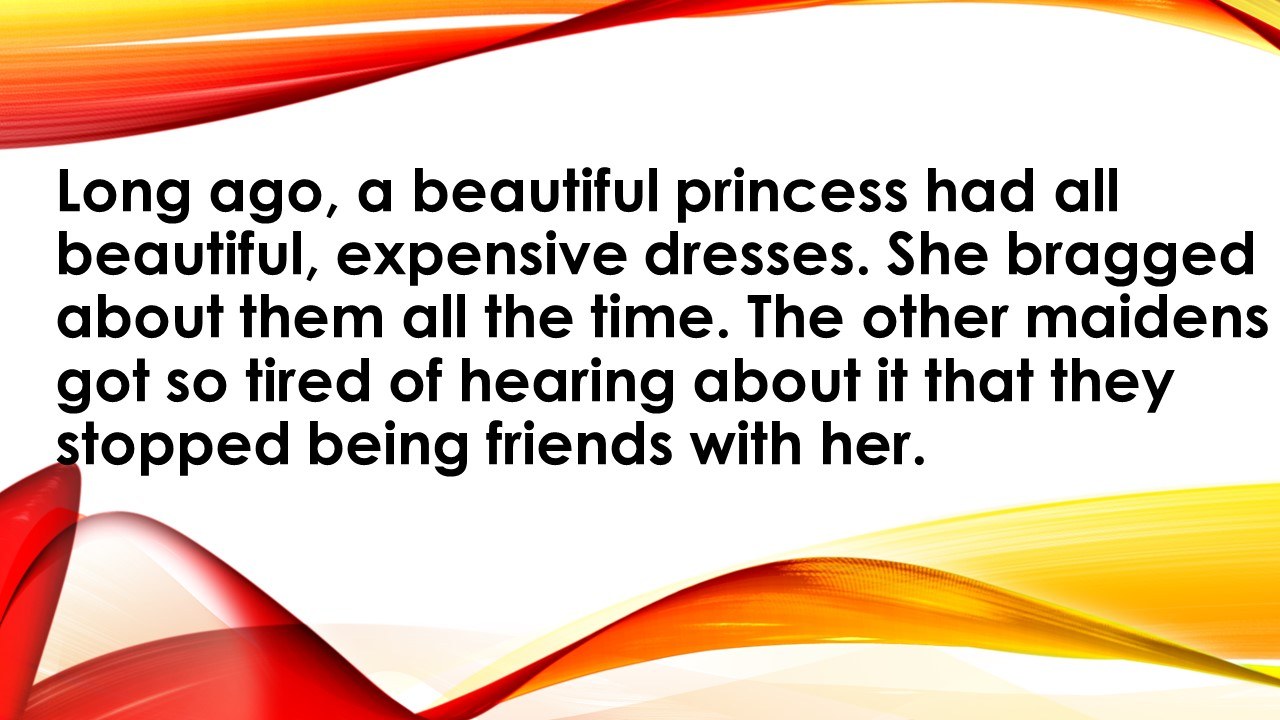
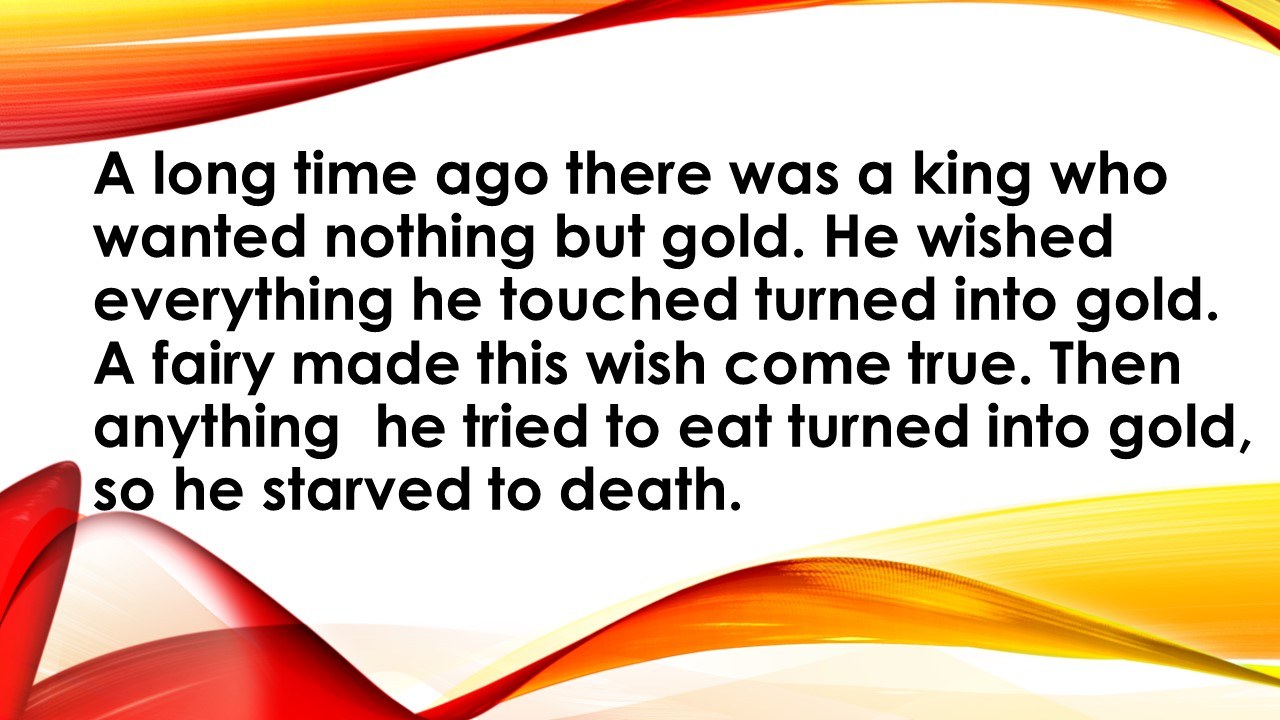
Father: We are going to Disney World!
Son: Yay!!!!
The flower hugged the earth after being blown over by the storm.
My dad, my brother, and I
I tried watermelon with salt on it because one day my great-aunt told me she liked it that way. It tasted very different from plain watermelon, but it was pretty good. I still like plain watermelon best, so I will __________ eat it plain, but once in a while I will eat it with salt just for fun. Which word best completes the sentence?
Seena got to read for an hour. ___________closing her book, she got ready for bed.
After
Similarly
Nevertheless
However
Mr. Lopez gave an exam second period. _____ he graded it during third period.
Similarly
Truly
Then
Finally
There is a lot to do to get ready for our trip. First we need to buy tickets. Next we have to pack our suitcases. ________ we need to go to the airport and catch our flight.
Perhaps
Secondly
Finally
The boys wanted pizza, _________ they looked up the number for Dominos.
so
in addition
consequently
however
What is the main idea of a story about a young girl who learns to overcome her fear of swimming by practicing every day and eventually wins a swimming competition?
The importance of practicing a sport
Overcoming fears through perseverance
Winning a competition
Swimming techniques
In the sentence "The sun was a brilliant orb in the sky, casting a golden glow over the landscape," what does the word "orb" mean?
Moon
Star
Sphere
Cloud
What can you infer about a character who is described as having "a meticulous method of organizing her books, aligning them perfectly on the shelf"?
She dislikes reading.
She is disorganized.
She values order and neatness.
She prefers digital books.
Which of the following is an example of using context clues to understand the meaning of the word "gregarious"?
Looking up the word in a dictionary
Knowing that "gregarious" sounds like "aggressive"
Reading that a person described as "gregarious" enjoys social gatherings and making new friends
Asking a friend what "gregarious" means
What is the best summary of a story where a young inventor creates a machine that cleans the ocean, faces challenges in getting support, but ultimately succeeds in making a significant positive impact on the environment?
A young inventor builds a machine.
A story about cleaning the ocean.
An inventor faces challenges but succeeds in positively impacting the environment with a cleaning machine.
Challenges in getting support for inventions.
In a story where a character learns the value of honesty after telling a lie that leads to a series of misunderstandings, what is the main theme?
The complexity of human emotions
The consequences of lying
The importance of communication
The value of honesty
If a character in a story "ambled" through the park, how were they moving?
Quickly
Stealthily
Slowly and leisurely
With difficulty
What can you infer about a character who is frequently described as "skeptical" when presented with new ideas?
They are easily convinced.
They often believe everything they hear.
They tend to doubt or question things.
They are very gullible.
In a story, if the setting is described as "a dilapidated mansion at the end of a winding, overgrown path," what mood is most likely being conveyed?
Joy and excitement
Mystery and suspense
Peacefulness and serenity
Happiness and contentment
What does it mean to "synthesize" information from a text?
To summarize the main points
To argue against the author's point of view
To combine different ideas to form a new understanding
To focus on specific details only
If a character is described as having an "inexorable" determination to succeed, how is their determination characterized?
Weak and easily broken
Unstoppable and relentless
Variable and changing
Slow but steady
In a story, if the climax involves the protagonist realizing the true value of friendship, what can you infer about the theme?
The dangers of isolation
The importance of wealth
The value of friendship
The need for adventure
What is the purpose of using vivid imagery in a text?
To confuse the reader
To provide factual information
To engage the reader's senses and imagination
To make the text longer
When an author uses a flashback in a story, what is their primary purpose?
To predict future events
To provide background information or context
To introduce new characters
To conclude the story
If a character is described as "loquacious," how do they tend to communicate?
By using very few words
By speaking at great length
Through written communication only
By using sign language
What does it mean if a story's setting is "idyllic"?
It is chaotic and stressful.
It is perfectly peaceful and beautiful.
It is urban and modern.
It is historical and ancient.
In a narrative, if a character undergoes a "transformation," what does this imply?
The character physically moves to a different location.
The character experiences significant personal growth or change.
The character changes their appearance only.
The character remains the same throughout the story.
What is the effect of using a first-person narrator in a story?
It provides an objective overview of all characters' thoughts.
It limits the perspective to that of the narrator's.
It allows the reader to know what every character is thinking.
It makes the story less believable.
When an author uses irony in a story, what is typically the effect?
It clarifies the story's events.
It creates a contrast between expectations and reality.
It simplifies complex concepts.
It makes the story more serious.
What does the term "protagonist" refer to in a story?
The main character or hero
The character who opposes the hero
A minor character
The setting of the story
If a story is described as having a "pessimistic" tone, what does this imply about its outlook?
It is hopeful and optimistic.
It views situations with negativity or a lack of hope.
It is neutral and unbiased.
It focuses on positive outcomes only.
What is the purpose of a "cliffhanger" ending in a story?
To provide a clear and satisfying conclusion
To leave the reader with unanswered questions, encouraging them to imagine what happens next
To summarize the story's main points
To introduce a new character
In literature, what does the term "foreshadowing" refer to?
A detailed description of the setting
The use of hints or clues to suggest events that will occur later in the story
The repetition of the same word or phrase for emphasis
A comparison using "like" or "as"
What is the effect of using a third-person omniscient point of view in a story?
It limits the story to one character's perspective.
It allows the reader to know the thoughts and feelings of all characters.
It makes the story more difficult to follow.
It focuses exclusively on the protagonist's thoughts.
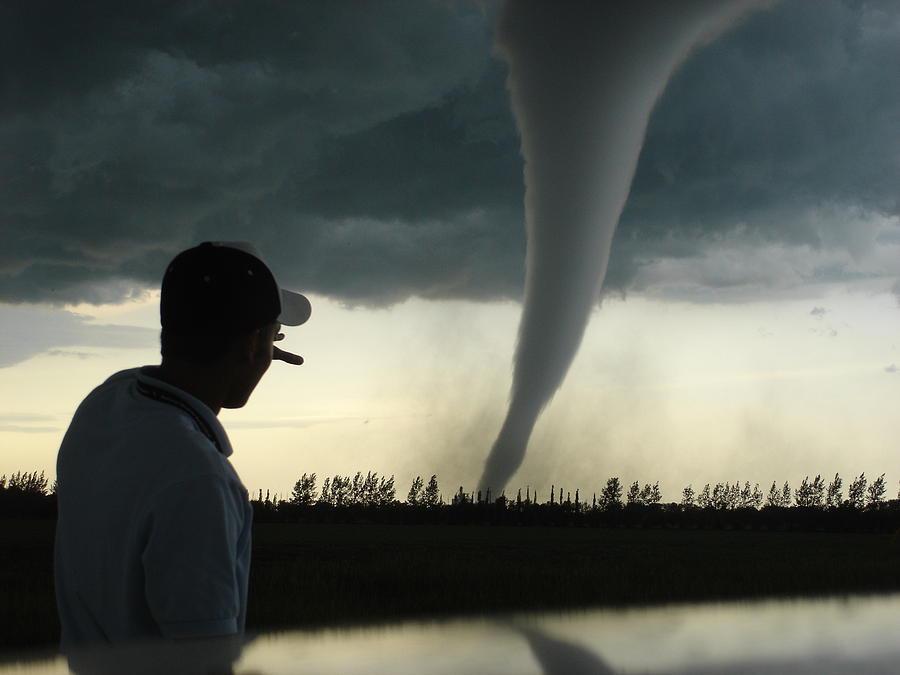
Heather's school has a great basketball team...for boys. When she and a group of female friends want to start a girls' basketball team, the schoolboard says it's a nice idea, but there just isn't enough money in the athletic budget.
character vs. character
character vs. society
character vs. self
character vs. nature
Stephen notices that the new student at school
has the same band sticker on his notebook as he
does. He wants to introduce himself and become
friends, but he can’t seem to work up the nerve.
character vs. self
character vs. nature
character vs. society
character vs. character
My grandma is so strict! I want to sleep over at my
friend’s house on Friday, but she won’t give me
permission.
character vs. character
character vs. self
character vs. nature
character vs. society
You just found a $20 bill on the sidewalk! You’re
about to pocket it when you’re hit with a wave of
guilt. Should you leave it there in case its owner
comes back to find it?
character vs. society
character vs. self
character vs. character
character vs. nature
Tenique and Sophie have been best friends for
years. Recently Sophie found out that Tenique has
been talking about her behind her back. She
decides to confront Tenique at lunch.
character vs. character
character vs. self
character vs. nature
character vs. society
Inference: I was aghast when I found out my neighbor had robbed the jewelry store and stolen $100,000 in diamonds!
What is the best meaning of the word aghast?
shocked
not surprised
bored
interested
Definition: In order to become law, all 13 colonies had to ratify, or approve, the Constitution.
What is the best meaning of the word ratify?
vote
understand
approve
discuss
Example: Nutritious foods, such as fruits and vegetables, help our bodies grow.
What is the best meaning of the word nutritious?
frozen
sweet
colorful
healthy
Antonym: Some children were willing to play in the snow, but others were reluctant because it was so cold.
What is the best meaning of the word reluctant?
eager
unwilling
fearful
afraid
Synonym: There was pandemonium, or chaos among the fans when their team won the Super Bowl.
What is the best meaning for the word pandemonium?
chaos
calm
shouting
quiet
The monkey's vociferous chatter made me with I had earplugs.
What type of context clue is used to help determine the meaning of the underlined word?
antonym
definition
example
inference
"Unlike John's room, which was immaculate, Jeff's room was very messy."
What type of context clue is used to help determine the meaning of the underlined word?
antonym
inference
definition
synonym
Many companies are downsizing, reducing the number of employees they have, in order to save money.
What type of context clue is used to help determine the meaning of the underlined word?
synonym
definition
inference
example
We remembered to bring all the provisions, such as water, food, and warm clothing on the hike.
What type of context clue is used to help determine the meaning of the underlined word?
synonym
example
inference
definition
Her quiet, timid ways made it hard for her to make friends.
What type of context clue is used to help determine the meaning of the underlined word.
example
antonym
definition
synonym
What is the main idea?
What is the main idea?
What is the main idea?
What is the main idea?
What is the main idea?
What is the main idea?
What is the main idea?
What is the main idea?
Which of the following can you infer from the passage above?
This is an example of a simile.

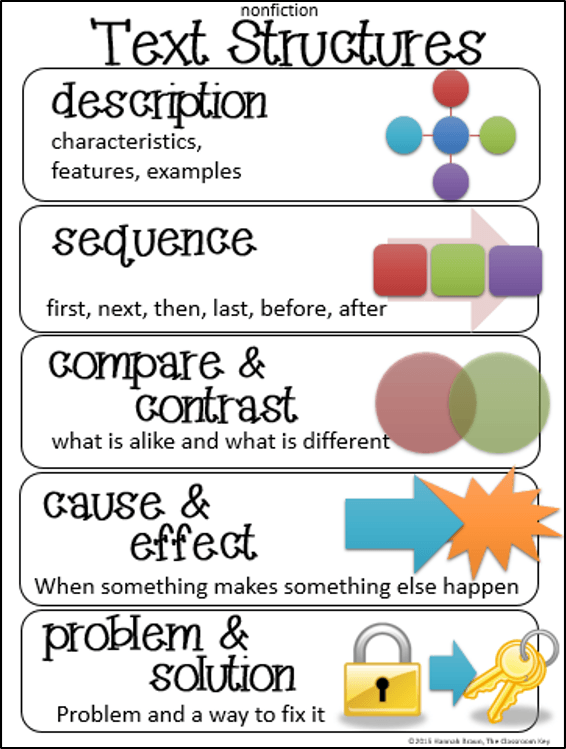
CHOOSE THE CORRECT TEXT STRUCTURE.
All candy has a different process by which it is made. M&Ms are popular chocolate treats made from a mixture of liquid milk chocolate and a hard candy shell. First, the chocolate is
poured into small molds. Then, it is left to cool and harden. A conveyor belt transfers the chocolate to another section of a factory, where the chocolates are coated with the hard candy
shell. Finally, they are coated with color!
description
compare and contrast
cause and effect
sequence/.chronological order
problem - solution

CHOOSE THE CORRECT TEXT STRUCTURE.
Although it may be tempting, eating too much candy
can have a negative impact on your body and how you
feel. Munching on too much candy can cause cavities
in your teeth from all of the sugar. It is also very high
in “empty” calories, which means the calories provide
you no nutrients, just fat and calories from sugar!
This can cause you to gain too much unhealthy weight.
Too much sugar can also cause you to have a “foggy”
brain, slowing down your memory and making you
tired.
description
sequence/chronological order
cause and effect
compare and contrast
problem - solution

CHOOSE THE CORRECT TEXT STRUCTURE.
Video Game Systems, Then & Now
The Missing Pieces Games, Games, Games
The first video game console, “Brown Box”, was
invented in 1967. In 1977, Nintendo created their
first gaming unit along with the Atari video
game. Many different video game players came
out in 1982 including the Intellivision. The Sega
became popular in the early 1990s and in 1994,
the first PlayStation was released. In 2001, the
Xbox came to stores! Nintendo released the Wii
in 2006 followed by the Xbox One in 2013.
sequence/chronological order
cause and effect
compare and contrast
description
problem - solution

CHOOSE THE CORRECT TEXT STRUCTURE.. Have you ever gathered around a table with yourfriends excited to play a board game, and when youopen the box, find that pieces are missing? It’s alwaysa bummer when you don’t have a piece to mark your place in the game, but you can get inventive to solve the problem. Go to your kitchen and try using beans,
gummy bears, or Skittles to replace the missing pieces!
Or try using bingo chips, marker tops, or paperclips in
their place. Don’t let a missing piece stop you from
playing games.
description
problem-solution
compare and contrast
cause annd effect
chronological order/ sequence

NAME THE CORRECT TEXT STRUCTURE.
The Magic Kingdom is the first built
of four theme parks at Walt Disney
World. It opened on October 1971,
and the park features rides and shows
related to major Disney characters
and fairy tales. Symbols of The Magic
Kingdom include Cinderella’s Castle,
Main Street USA, and rides like the
famous Space Mountain coaster.
description
cause and effect
compare and contrast
chronological order / sequence
problem - solution
I do my chores each Saturday.
First, I fold the laundry and put it away.
Then I sweep and mop the kitchen floor.
After that, I empty all the garbage cans and
the recycling. Finally, when all of my chores are
finished, I can go outside to play.
compare and contrast
problem and solution
despriction
sequence
Did you know that not all deserts are
hot? Both hot and cold deserts are very
dry, but unlike hot deserts, cold deserts have long
winters when the temperatures can reach below
freezing. Cold deserts also get a great deal of
snow, which is certainly not true for hot deserts.
compare and contrast
problem and solution
description
sequence
Beagles are medium-sized members
of the hound family. Beagles generally
make good pets because they are intelligent,
good-natured, and good with children. Beagles
are also quite playful and need a great deal
of exercise.
problem and solution
despriction
cause and effect
sequence
An earthquake that occurs under the
ocean may cause a tsunami. A tsunami is
a series of giant waves that can cause a great
deal of destruction, as well as many deaths when
it hits the coast. So, if you are ever at the beach
and hear a tsunami warning siren, you should run
to higher ground as fast as you can.
compare and contrast
description
cause and effect
sequence
-first
-now
-later
-(actual dates)
-if/ then
-therefore
-becasue
-so that
-question/answer
- puzzle is solved


What is the difference between a fact and an opinon?
A fact can be proven (shown to be true). An opinion cannot.
An opinion can be proven (shown to be true), a fact cannot.
Facts are found in newspapers, opinions are not.
Facts and opinions are not different.
How do we know that a fact is true?
Many people believe it.
Someone important or smart said it.
I believe it, so it is true.
There is evidence (proof) that shows it’s true.
What words are clues that something might be an opinion?
Think
Feel
Should / Should Not
All of the above
“Old journals and diaries tell us that many European settlers came to America to escape danger, hunger, and poverty. Others came to just to start a new life. Historical records show that some were even criminals, and were sent to the new world as punishment.” These sentences are examples of ...
facts
opinions
facts and opinions
sentences without facts or opinions
Can facts be untrue?
Yes, they can.
Yes, facts are always untrue.
No, if something is untrue, then it is not a fact.
No, both facts and opinions are always true.
Which of these statements is a fact?
“It is not healthy for boys and girls to play together.”
“Sharks have existed for millions of years.”
“It is not safe to have dogs in schools.”
“Computers are confusing and hard to use.”
Which of these statements is an opinion?
“There are more people in China than in any other country.”
“In 20 years, I believe Brazilian music will be the most popular music on Earth.”
“I think there are only 48 states in the USA.”
“Elaine is allergic to sushi. She doesn’t feel good when she eats it.”
There are more head and spinal injuries each year from cheerleading than all other sports combined.
Fact
Opinion
Spitting in your hand before you pick up a baseball bat gives you good luck.
Fact
Opinion
Read the statements and identify the fact.
Chocolate ice cream is the tastiest.
All dogs enjoy swimming.
Owning a pet invovles a lot of responsibility.
Spring is the best season for taking walks.

What is the first step in the Plot Diagram?
Falling Action
Climax
Resolution
Exposition

What does the PLOT DIAGRAM end with?
Expostion
Climax
Resolution
Falling Action

What is the correct order for the parts of the PLOT DIAGRAM?
falling action, resolution, rising action, climax, exposition
rising action, exposition, resolution, falling action, climax
exposition, rising action, climax, falling action, resolution
climax, exposition, rising action, resolution, falling action
Character vs. Self is an example of which type of Conflict?
External Conflict
Internal Conflict
Character vs. Character is an example of which type of Conflict?
External Conflict
Internal Conflict

Read the passage. Match the sentence to the correct figurative language.
Alliteration
Brave blue creatures
Simile
They are busy like bees
Metaphor
Happiness is friendship, wisdom and faith
Hyperbole
The smallest village on the planet
Personification
Each day brings adventure and joy

