
 Worksheets
DIAGNOSTIC TEST CHAPTER 8 SB025 2024_2025
Total questions: 50
Worksheet time: 42mins
What type of transport moves molecules from high to low concentration?
Osmosis
Active transport
Diffusion
Facilitated diffusion
Which process requires ATP to move substances against a concentration gradient?
Osmosis
Passive transport
Active transport
Diffusion
Which blood vessel has the thickest walls due to high pressure?
Vein
Capillary
Artery
Lymphatic vessel
Why do veins have thinner walls than arteries?
They carry more oxygen
They have higher blood pressure
They carry low-pressure blood
They lack smooth muscle
What is the main function of hemoglobin?
Transport oxygen
Transport carbon dioxide
Clot blood
Regulate blood pressure
Why does oxygen bind to hemoglobin in the lungs?
Higher CO concentration
Lower CO concentration
Lower O concentration
Higher temperature
What type of pressure drives fluid out of capillaries into tissues?
Osmotic pressure
Hydrostatic pressure
Turgor pressure
Diffusion
Which condition results when fluid accumulates in tissues?
Hypertension
Edema
Anemia
Hyperoxia
Which type of muscle is found in the heart?
Skeletal
Smooth
Cardiac
Voluntary
What controls the contraction of the heart?
Nervous system
Pacemaker cells
Red blood cells
Blood pressure
Which ion is essential for muscle contraction?
Sodium
Potassium
Calcium
Chloride
Which nervous system division slows heart rate?
Sympathetic
Parasympathetic
Somatic
Central
What effect does adrenaline have on heart rate?
Increases it
Decreases it
No effect
Stops it
What happens to blood pH when CO2 increases?
Increases
Decreases
No change
Becomes neutral
How does the body respond to low oxygen levels?
Increases breathing rate
Decreases heart rate
Reduces ATP production
Stops blood flow
Which receptor detects changes in blood pressure?
Chemoreceptor
Baroreceptor
Photoreceptor
Thermoreceptor
Which component of blood helps in clotting?
Red blood cells
White blood cells
Platelets
Plasma proteins
Which property of water allows it to move up xylem?
Adhesion
Cohesion
Both
None
In a school garden, Danisya noticed that some plants were wilting under the hot sun. She wondered which plant structure helps prevent excessive water loss in these plants.
Root hair
Stomata
Xylem
Phloem
Why does water move into root cells?
Higher solute concentration inside root cell
Higher pressure outside
Water actively transported
Lower osmotic pressure inside root cell
What is the primary force moving water up tall trees?
Root pressure
Capillary action
Transpiration pull
Gravity
What happens to the rate of transpiration when humidity is high?
It decreases
It increases
No effect
It stops completely
What is the main function of phloem?
Transport minerals
Transport water
Transport sugars
Store nutrients
What hypothesis explains sugar transport in plants?
Cohesion-Tension
Pressure Flow
Root Pressure
Capillary Action
What structure loads sugars into sieve tube of phloem?
Guard cells
Companion cells
Root hairs
Xylem vessels
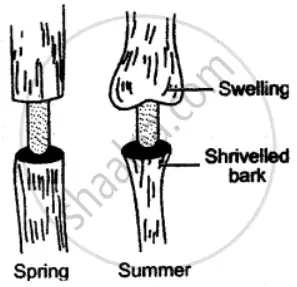
What happens if a trees phloem is removed?
Water stops moving
Sugars can't reach roots
Tree grows faster
Nothing happens
Where does gas exchange occur in humans?
Trachea
Bronchi
Alveoli
Diaphragm
What happens when CO dissolves in blood?
pH increases
pH decreases
Oxygen binds more easily
Nothing
What protein carries oxygen in red blood cells?
Myosin
Hemoglobin
Collagen
Actin
What causes oxygen to be released from hemoglobin?
High oxygen levels
High CO levels
Low temperature
High blood pH
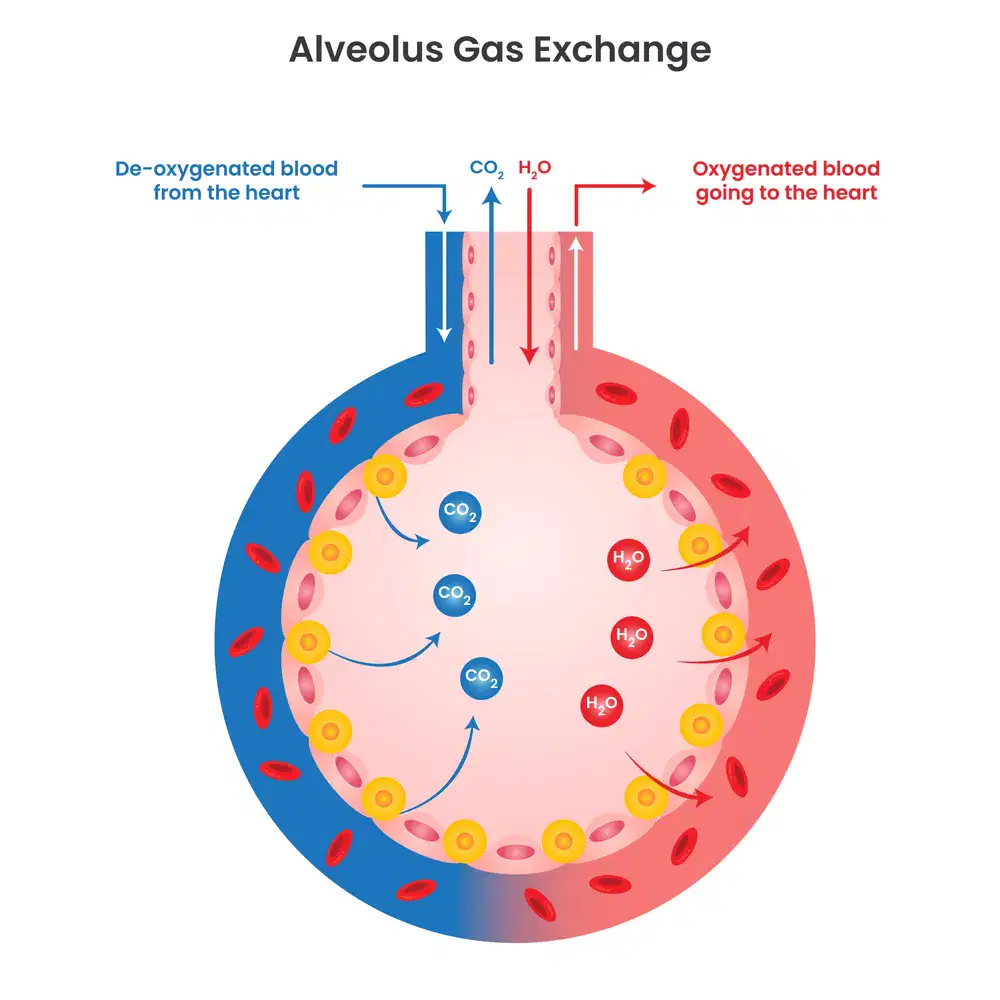
What process moves gases across alveolar membranes?
Diffusion
Osmosis
Active transport
Filtration
Which blood vessel carries oxygenated blood from lungs to the heart?
Pulmonary artery
Pulmonary vein
Aorta
Vena cava
How is most CO transported in blood?
Bound to hemoglobin
Dissolved in plasma
As bicarbonate ions
As CO gas
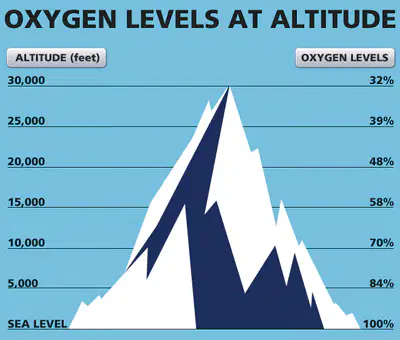
Why does high altitude cause breathlessness?
Lower oxygen availability
Increased CO
Low pressure in lungs
Increased diffusion
Which factor affects oxygen binding to hemoglobin?
pH
Temperature
CO2 levels
All of the above
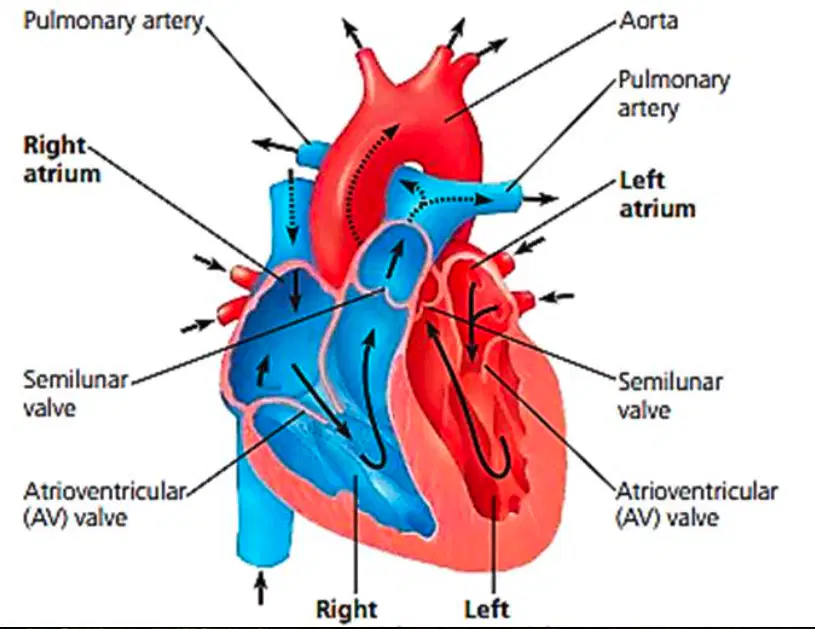
Which chamber of the heart has the thickest wall?
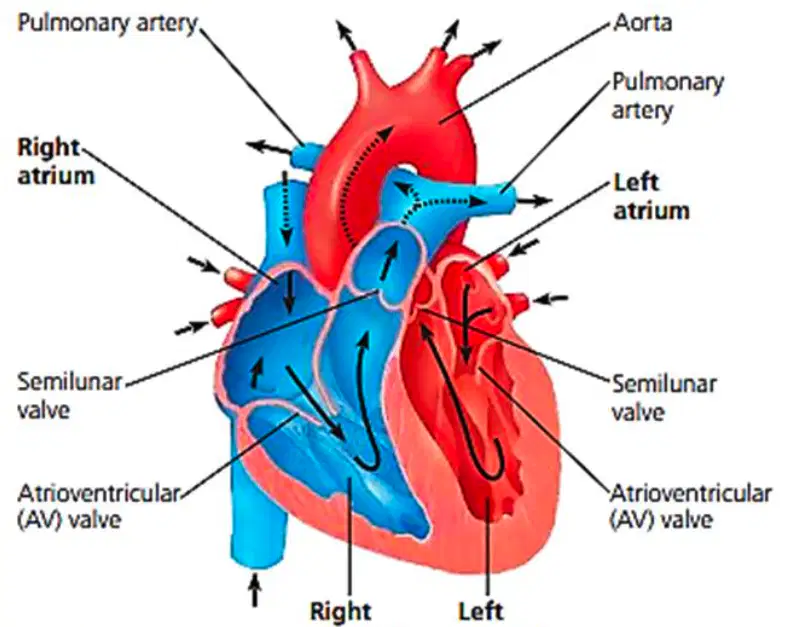
Which valve prevents the backflow of blood from the left ventricle to the left atrium?
Tricuspid valve
Pulmonary valve
Aortic valve
Bicuspid (mitral) valve
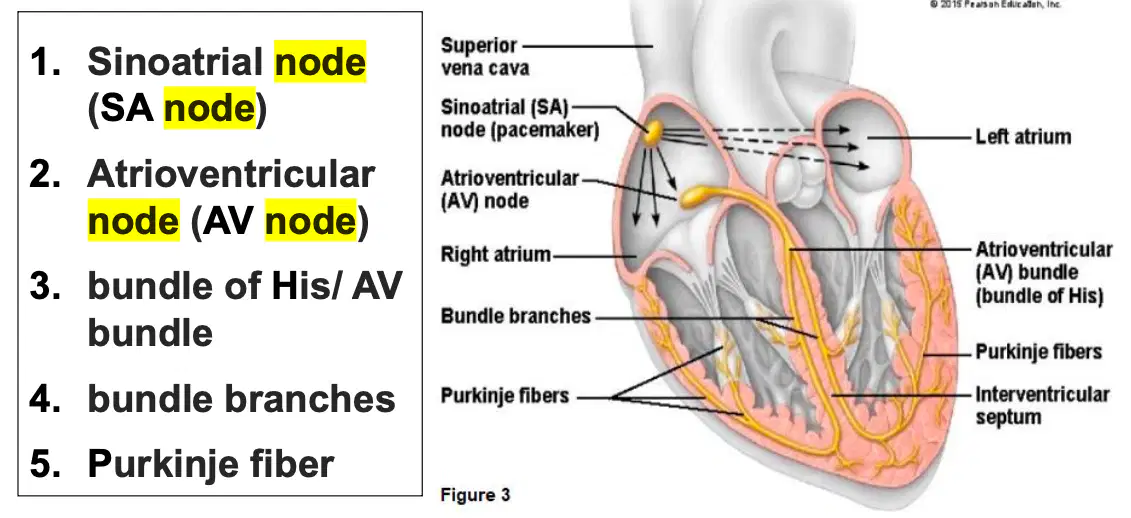
What is the function of the sinoatrial (SA) node in the heart?
To pump oxygenated blood to the lungs
To act as the heart’s pacemaker, generating electrical impulses
To prevent blood backflow into the ventricles
To pump deoxygenated blood to the left atrium
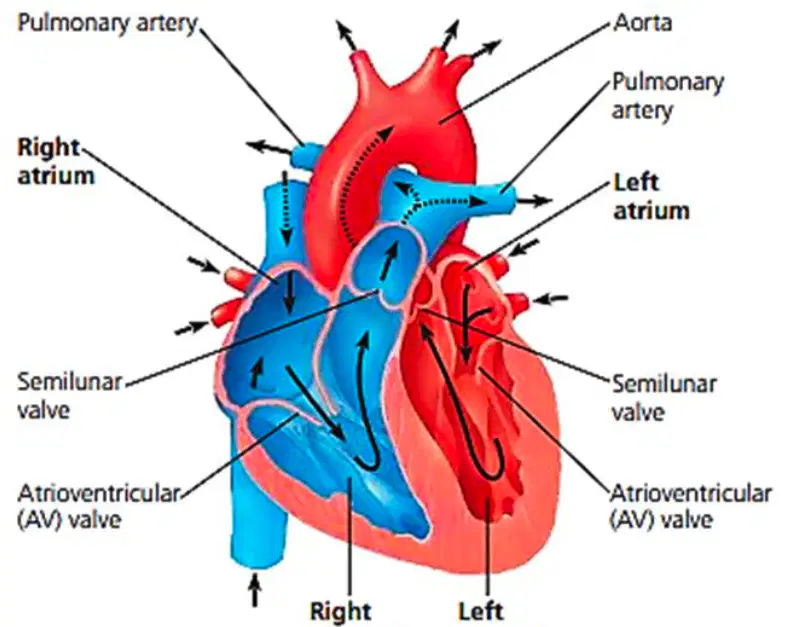
Which vessel carries oxygenated blood from the lungs to the heart?
Aorta
Pulmonary vein
Pulmonary artery
Vena cava
The (a) node is known as the pacemaker of the heart.
The right atrium receives (a) blood from the body via the vena cava.
The left ventricle pumps blood into the (a) , which distributes oxygenated blood to the body.
What prevents backflow of blood between the atria and ventricles?
(a) valves
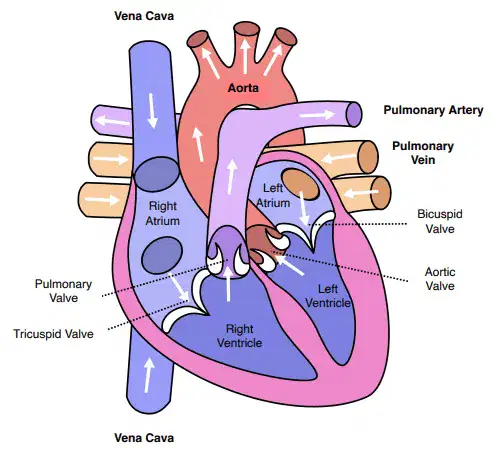
Arrange the following structures in the correct order of blood flow from lungs to the heart.
Pulmonary vein
Left atrium
Left ventricle
Aorta
Body

Match each ECG wave with its corresponding cardiac event.
P wave
Atrial depolarization
QRS complex
Ventricular depolarization
T wave
Ventricular repolarization

What is the function of baroreceptors?
Detect blood pressure changes
Transport oxygen
Send signals to the brain
Control heart rate directly



