Wayground logo

Free Printable Worksheets

Font size

S
M
L
XL
Worksheets

Evidence of Evolution

Total questions: 20

Worksheet time: 20mins
Name
Class
Date
1.
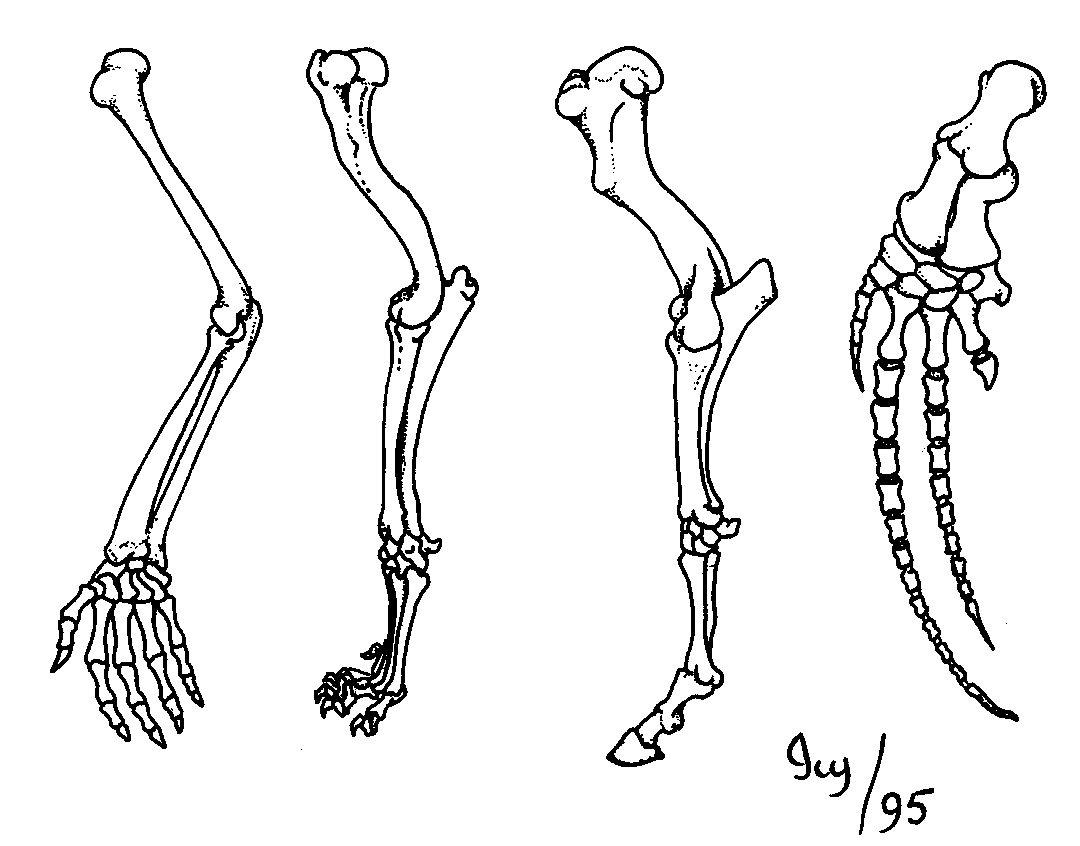
Structures with the same parts have different functions; suggests that organisms share a common ancestry
a)
vestigial structures
b)
homologous structures
c)
adaptive radiation
d)
fossil
2.
Study of embryos of various organisms to show a common ancestor because of similarities in development
a)
natural selection
b)
embryology
c)
speciation
d)
evolution
3.
Two organisms that are closely related would have
a)
very similar DNA sequence
b)
exactly the same DNA sequences
c)
no proteins in common
d)
completely different DNA sequence
4.
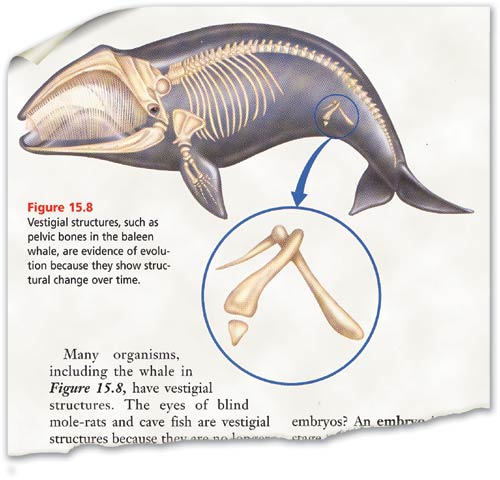
The hind leg bones in a whale are examples of
a)
homologous structures
b)
analogous structures
c)
fossils
d)
vestigal structures
5.

Bird and butterfly wings have the same functions but different structures. What type of evolutionary evidence is this?

a)

Analogous structures

b)

Embryological development

c)

Genetic comparisons

d)

Homologous structures

6.

When unrelated species evolve similar characteristics because they live in similar

environments

a)

Divergent Evolution

b)

Speciation

c)

Convergent Evolution

d)

Punctuated equilibrium

7.

A number of different species arise from one common ancestor

- New environments caused differences to evolve in populations

a)

Convergent Evolution

b)

Divergent Evolution

c)

Coevolution

d)

Gradualism

8.

Which type of structure is depicted in the image?

a)

analogous structure

b)

homologous structure

c)

vestigial structure

d)

DNA

9.
Which is not evidence for evolution?
a)
many animals have homologous structures due to common ancestry
b)
Many animals have vestigial structures from an ancestor
c)
We can observe changes in life forms by observing the fossil record
d)
All of these are evidence for evolution
10.

How do fossils support evolution?

a)

The fossil record provides evidence that organisms have changed over time.

b)

Individual species disappear and reappear in the fossil record over time.

c)

The fossil record provides evidence that all organisms developed at the same time.

d)

Organisms in the fossil record are identical to living organisms.

11.
Structures that are similar to function. 
a)
Homologous 
b)
Analogous 
c)
Vestigial 
d)
DNA
12.
Structures are similar in appearance but not in structure
a)
Vestigial 
b)
Homologous 
c)
Analogous Structures 
d)
Embryonic 
13.
Studying the similarities in organisms development 
a)
DNA
b)
Embryonic 
c)
Vestigial 
d)
Homologous 
14.
The arrangements of DNA and Amino Acids can determine how close organisms are. 
a)
DNA and Amino Acid squence
b)
Analgous
c)
Homologous 
d)
Vestigial 
15.
The survival of the fittest 
a)
Natural selction
b)
Evolution 
c)
Mimic 
d)
Camouflage 
16.
The blending of an organism in an enviornment
a)
Natural selection 
b)
Evolution 
c)
Mimicry 
d)
Camouflage 
17.
The changes of species over time
a)
Embryonic 
b)
Natural selection 
c)
Mimicry 
d)
Evolution 
18.
Which layer is the youngest
a)
1
b)
2
c)
3
d)
4
19.
Which layer is the oldest
a)
B
b)
A
c)
E
d)
C
20.
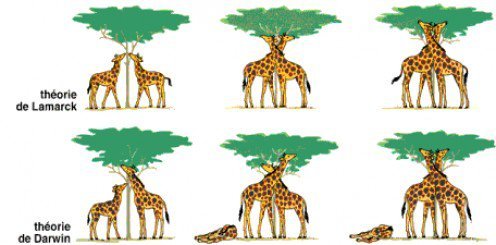
What would happen if the Giraffes never evolve?
a)
they would survive
b)
They would thrive
c)
They would become extinct
d)
They will find another source of food