
 Worksheets
Quizizz - Unit 8 Cell Review
Total questions: 70
Worksheet time: 57mins
Which organelle is responsible for photosynthesis in plant cells?
Ribosome
Chloroplast
Golgi Apparatus
Mitochondria
What is the function of the nucleus in a cell?
Energy production
Photosynthesis
Protein synthesis
Genetic material storage
Which structure is responsible for controlling the movement of substances in and out of the cell?
Cell Wall
Cytoplasm
Nucleus
Cell Membrane

Directs all cell activities through the DNA located there.
Lysosomes
Nucleus
ribosomes
Mitochondria
Cells come from______.
other preexisting cells
cytoplasm
organelles
prokaryotes
The cell theory states that_________
cells come from cells
all organisms are made of cells
cells are the basic unit of structure and function for life
all of the above
________ is the scientist who saw small chambers when looking at cork, and named them “cells”.
Newton
Hooke
Carson
Manning
A multicellular organism is made of
one cell
multiple cells
unicellular cells
there is no such thing as a "multicellular" organism
What is a simile we can use when talking about mitochondria?
They're like Lysol cleaning spray
They're like the brain
They're like a Jell-o Cup
They're like a battery
What two organelles are in a plant cell, but not in an animal cell? Check all that apply.
Cell Wall
Ribosomes
Nucleus
Chloroplast
What is the function of the cell wall?
Gel-like fluid that supports the cell
Place where materials are processed and moved around the cell
Storage space for water, waste, and food
Helps maintain shape and structure
What is the function of the vacuole?
Gel-like fluid that supports the cell
Place where materials are processed and moved around the cell
Storage space for water, waste, and food
Helps maintain shape and structure
What is the function of the cytoplasm?
Gel-like fluid that supports the cell
Place where materials are processed and moved around the cell
Storage space for water, waste, and food
Helps maintain shape and structure

What organelle is the number 2 point to?
Cell Membrane
Cytoplasm
Chloroplast
Ribosome
What organelle is the number 4 point to?
Vacuoles
Cytoplasm
Chloroplast
Ribosome
What organelle is the number 6 point to?
Vacuoles
Cytoplasm
Golgi Bodies
Ribosome
What organelle is the number 3 point to?
Vacuoles
Cytoplasm
Golgi Bodies
Ribosome
What organelle is the number 1 point to?
Vacuoles
Cytoplasm
Golgi Bodies
Cell Wall
What organelle is the number 10 point to?
Vacuoles
Chloroplast
Golgi Bodies
Cell Wall
What organelle is called the "powerhouse" of a cell?
Endoplasmic Reticulum
Nucleus
Mitochondria
Nucleolus

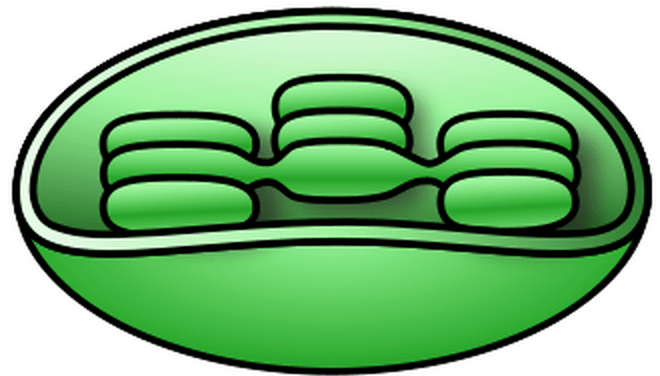
What is the function of the vacuole?
Gel-like fluid that supports the cell
Place where materials are processed and moved around the cell
Storage space for water, waste, and food
Helps maintain shape and structure


What cell structure is letter E in the picture?
mitochondrion
chloroplast
lysosome
ribosome

basic unit of structure and function in an organism
bacterial cell
eukaryote
prokaryote
cell wall
cell
an organism with cells that do not contain a nucleus
bacterial cell
eukaryote
prokaryote
cell wall
cell
an organism with cells that contain a nucleus
bacterial cell
eukaryote
prokaryote
cell wall
cell
a small round cell structure that contains chemicals that break down larger food particles into smaller ones
nucleolus
cytoplasm
lysosome
mitochondria
Which organelle is responsible for shipping, sorting and packaging proteins in the cell?

G
Ribosomes
A
Cell Membrane
J
Golgi Apparatus
H
Smooth ER
F
Rough ER
L
Mitochondria
B
Cytoplasm
I
Vacuole
N
Lysosome
C
Nucleus

I make proteins for the cell. What am I?
ribosome
mitochondria
chloroplast
lysosome
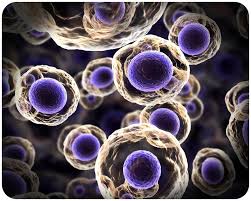


How does a cell membrane keep harmful stuff out of the cell?
Regulates what enters and leaves the cell
Flexibility
Protective barrier
Structure and support

What kind of cells are these?
Eukaryotic
Prokaryotic


Has membrane bound organelles such as a mitochondria
Prokaryote
Eukaryote
both
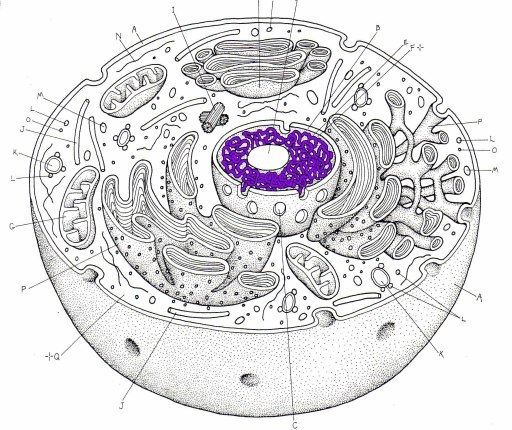
What kind of cell is in the diagram?
Eukaryotic, Animal
Prokaryotic
Eukaryotic, Plant
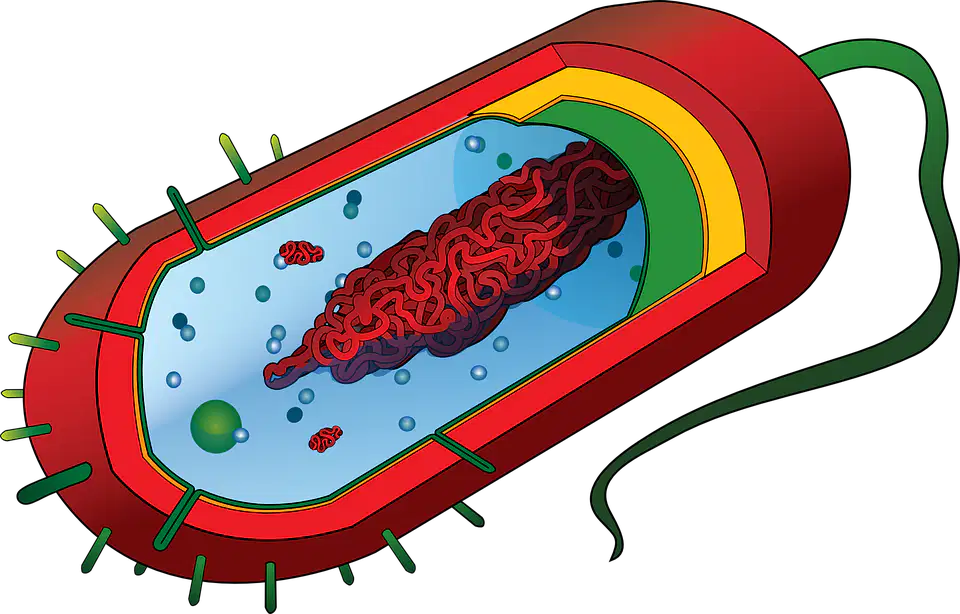
The (a) are thread-like (whip-like) structures involved in the locomotion (movement) of a cell
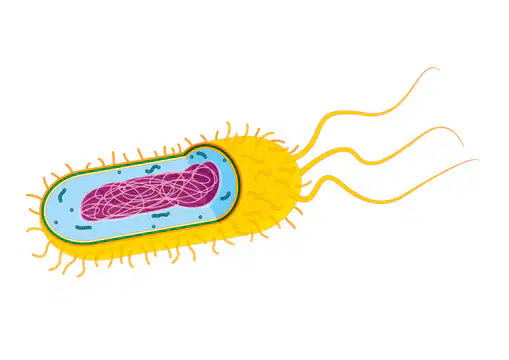
A (a) cell has no nucleus and the genetic material floats in the cytoplasm. (pro sounds like no)
Which organelle is responsible for the break down of material in a cell?
Mitochondria
Lysosome
Ribosome
Golgi Apparatus
Ribosomes are produced in the nucleus
True
False
Ribosomes can be...
Produced in the nucleus
Free floating in cytoplasm
Located in the Endoplastic Reticulum (ER)
All the above
Animals and plant cells BOTH have...
Endoplasmic Reticulum
Chloroplasts
Cytoplasm
Cell membrane
rough ER has ribosomes attached, giving it a "rough" appearance, while smooth ER lacks ribosomes and appears smooth
True
False
Which is NOT a part of the cell theory
All organisms are composed of one or more cells.
The cell is the basic unit of structure and organization in organisms.
All cells come from preexisting cells.
The invention of the microscope allowed scientist to investigate plant and animal cells.
The basic unit that makes up all living things is called ____.
cells
unicellular
organelle
organism
What is the primary function of chloroplasts in plant cells?
Store water and minerals
Produce ATP through cellular respiration
Carry out photosynthesis to produce glucose
Break down harmful substances
Which of these cells is a prokaryotic cell?
Which organelle supports and protects the cell?
Which organelle stores water for photosynthesis?
The Chloroplast? (Click all that apply)
A table comparing the characteristics of four samples is shown. Click on the sample name that is most likely a prokaryote.
How do chloroplasts interact with mitochondria in plant cells?
They compete for resources
Chloroplasts provide glucose that mitochondria use for cellular respiration
They work together to break down proteins
Mitochondria provide energy for chloroplasts to divide

