
 Worksheets
Adaptations Live Lesson Quiz
Total questions: 40
Worksheet time: 1hrs 7mins
Match the animal to its adaptation
Thick fur for warmth
Polar Bear
Changes colour to blend in
Chameleon
Stores water in its stem
Cactus
Silent feathers for quiet flight
Owl
Streamlined body for swimming
Penguin
Put these steps in order to show how a hare's coat can change with the seasons
START HERE - The hare's brown summer coat helps it blend into rocks and soil
As winter approaches, its fur starts turning white
In winter, its white coat helps it blend into the snow
In spring, the white fur sheds and turns brown again
Organise the correct adaptations into the correct environment
Long eyelashes
Fat-storing hump
Light coloured fur
Thick fur
Blubber
White coat
Strong grip
Large eyes for low light
Click on the body part of a chameleon that helps it blend in with its surroundings
Label the special adaptations of a camel in the desert
Sort the adaptations into 'help to hide' and 'help to survive'
Stripes on tiger
White fur on polar bear
Sharp claws
Webbed feat
A giraffe's long neck
Spikes on a hedgehog
Draw an animal that uses camouflage to escape predators

What words to you think of when you hear the word "camouflage"?
Match the animal to where it is best camouflaged
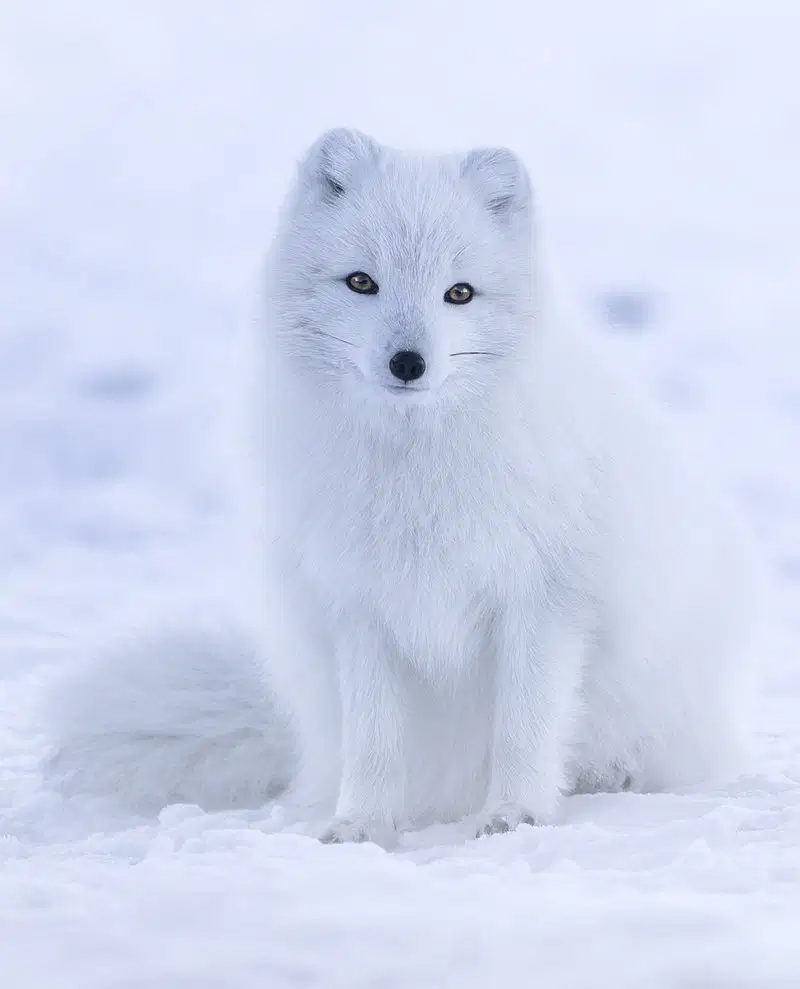
Snow and ice

Green leaves

Tall grass
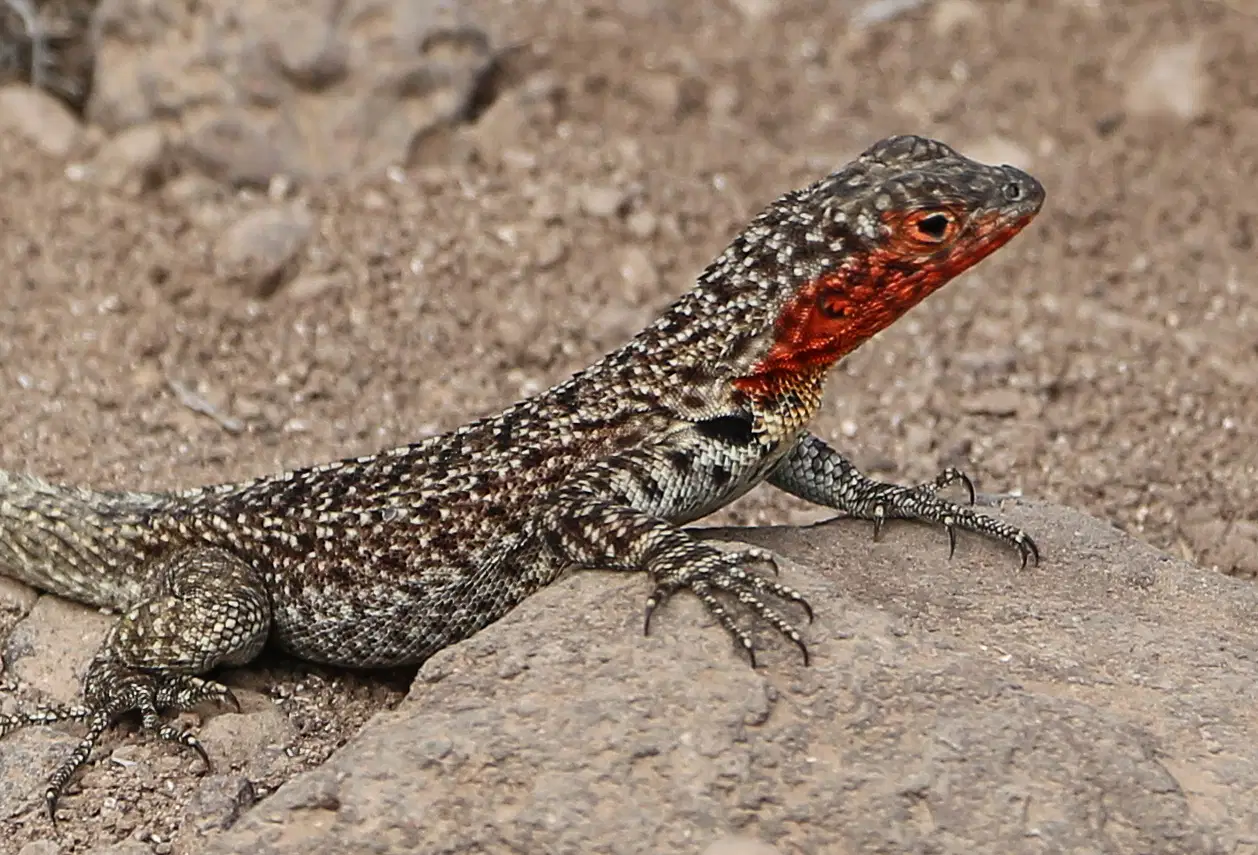
Desert sand

Rainforest leaves
Put these in order to show how a hedgehog protects itself from danger
The hedgehog hears or smells a predator nearby
It curls into a tight ball
Its sharp spines stick out to protect it
The predator gives up and goes away
Frogs have (a) to help them swim. They also have (b) to help them catch insects. They have (c) to help them blend in to the rainforest.
Owls have (d) to help them catch prey and (e) to help them find them.
Sort these into 'cold environment adaptations' and 'hot environment adaptations'
Thick fur
White coat
Blubber
Large ears
Light-coloured fur
Fat-storing hump
Explain how a frog catches it's food using it's adaptations.

Why do some animals have eyes on the sides of their heads?
So they can look cool
To see behind them and spot predators
Because their heads are too small for front-facing eyes
So they can sleep with one eye open
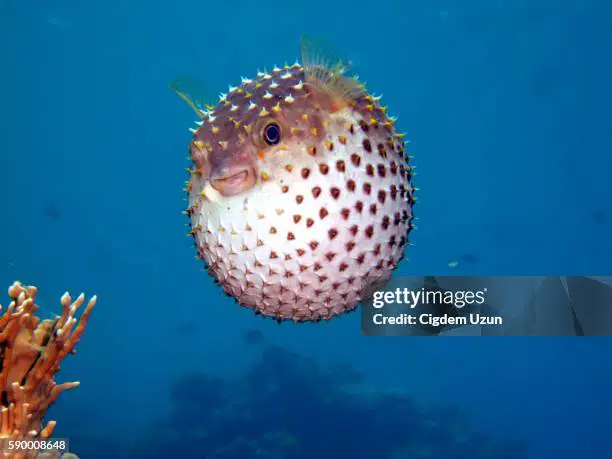
What special trick does a pufferfish use to protect itself?
It plays dead
It grows spikes and puffs up
It runs away really fast
It turns invisible
Which of these animals can change the TEXTURE of its skin as well as its colour?
A parrot
A chameleon
An octopus
A shark


What animal is in this picture?
a crab
a spider
a snake
Animals use camouflage because..
to hunt or hide
for fun
to sleep

What animal is in this picture?
a rat
a rabbit
a squirrel
What adaptation helps penguins and seals stay warm?
long eyelashes
long necks
a thick layer of fat
long fur
Why do giraffes have long necks and rough tounges?
To look like trees
to reach leaves on trees
to hide in trees
to swing from trees
Which part of a camel’s body helps protect against sandstorms?
hump
eyelashes
feet

Why do camels have humps?
to store water.
to store fat.
to carry things on.
What is an adaptation?
a special feature that helps animals survive
the animal's environment
the way an animal hunts
predators eat prey
Armor is an adaptation that helps animals...
hunt
protect themselves from predators
run quickly
blend in with their surroundings
Having webbed feet is an adaptation. How do webbed feet help animals survive?
They stay cool in the summer.
They can swim faster.
They can blend in with their surroundings.
They can attack their prey.
Sharp teeth are an adaptation. How do sharp teeth help animals survive?
Animals can use them to attack their prey.
Animals can run away from danger.
Animals can avoid the cold weather.
Animals can fly away.
What is a habitat?
all of one kind of animal or plant in the same area
all the animals living in the ocean
living and nonliving things that interact in the same space
the space where a plant or animal lives

Is a tattoo an adaptation?
yes
no

Is a whale's blubber layer an adaptation?
yes
no

Is a cat coming to the kitchen when it hears a can-opener an adaptation?
yes
no

Are a duck's webbed feet an adaptation?
yes
no
Match the following adaptations with their suitable environments.
gills
living in water
colorful wings
attracting mates in a forest
white fur
living in a cold snowy area
striped skin
camouflage in a jungle
Draw a habitat for a bear.
Make sure it has everything the bear needs to survive!
Label ONE of the bear's adaptations.

Draw the desert and ocean habitat.
Try to include one plant and animal for both habitats!


what animal can you see in the picture?
monkey
beetle
frog
iguana

