
 Worksheets
Graded Notes T12: L2 (Nationalists in Africa and Middle East)
Total questions: 20
Worksheet time: 19mins
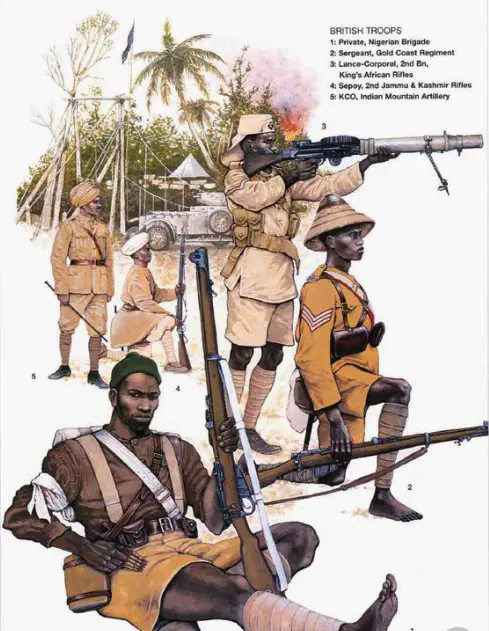
More than (a) black Africans fought in World War 1 on behalf of their colonial rulers.
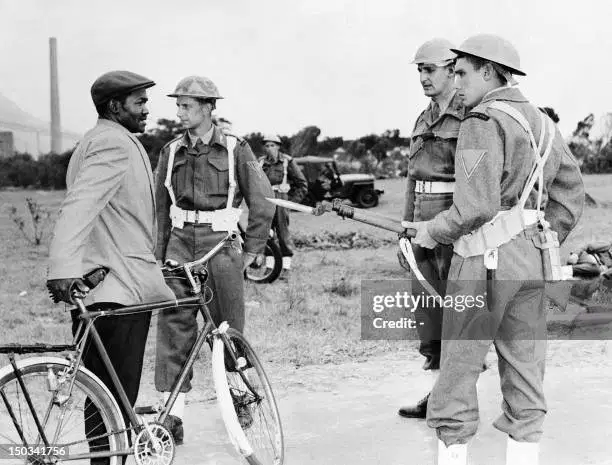
Whites strengthened their grip on South Africa between 1910 and 1940. They imposed a system of _____ ______to ensure white economic, political, and social superiority.
(a)
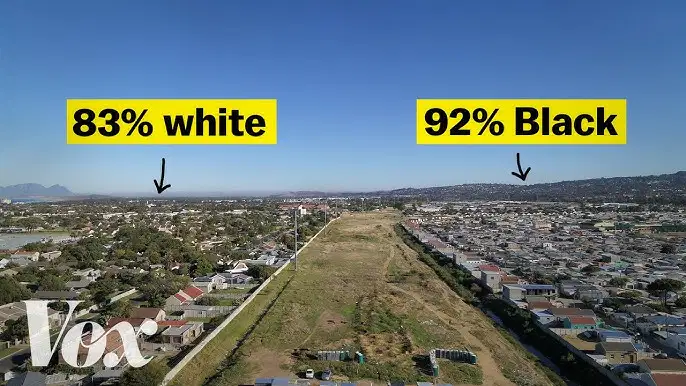
Black South Africans were pushed into low paid, less skilled work. [They] had to carry passes at all times. They were evicted from the best land and forced to live on crowded (a) , which were located in dry, infertile areas
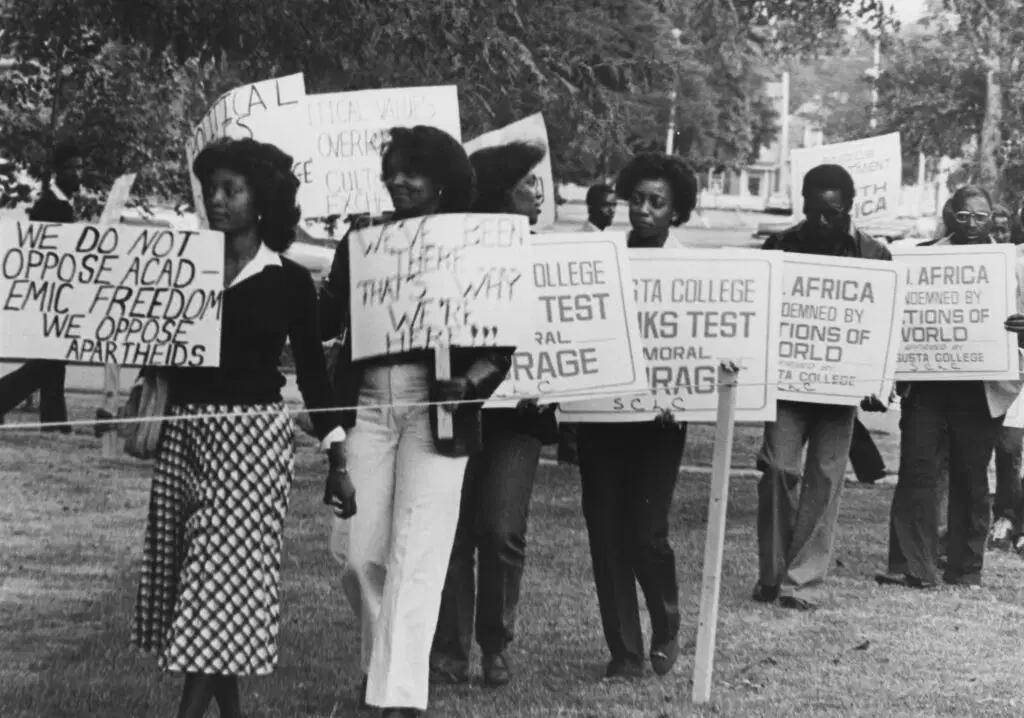
The system of segregation [in South Africa] became even stricter in 1948, when (a) , a policy of rigid racial segregation, became law.
African Christian churches and African-run newspapers demanded rights for Black South Africans. In 1912, they formed a political party, later called the _____ _____ _____ (ANC), to proetest unfair laws and demand change change from the South African government
(a)

Pan-Africanism emphasized the unity of Africans and the people of African descent worldwide. Among its most inspiring leaders was Jamaica-born ____ ___.
(a)

African American scholar and activist _____ _____ organized the first Pan-African Congress in 1919. It met in Paris, where the allies were holding a peace conference. [He argued for social integration of races whereas Garvey argued for separation of races]
(a)

Displeased with their state of affairs during the 1930s, many young Egyptians joined an organization called the _____ ______. This group fostered a broad Islamic nationalization that rejected Western culture and denounced corruption within the Egyptian government.
(a)

The defeated Ottoman empire was near collapse in 1918. Its Arab leaders were divided between England and France. However, in Asia Minor, a peninsula in western Asia between the Black and Mediterranean seas, ethnic (a) resisted Western control and fought to build a modern nation.
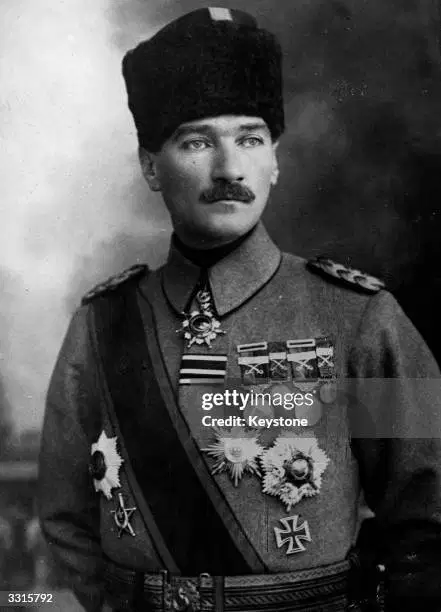
... he replaced Islamic law with laws based on a European model, replaced the Arabic alphabet with a Latin alphabet, and forced people to wear Western-style clothing. Under (a) , state schools replaced religious schools.
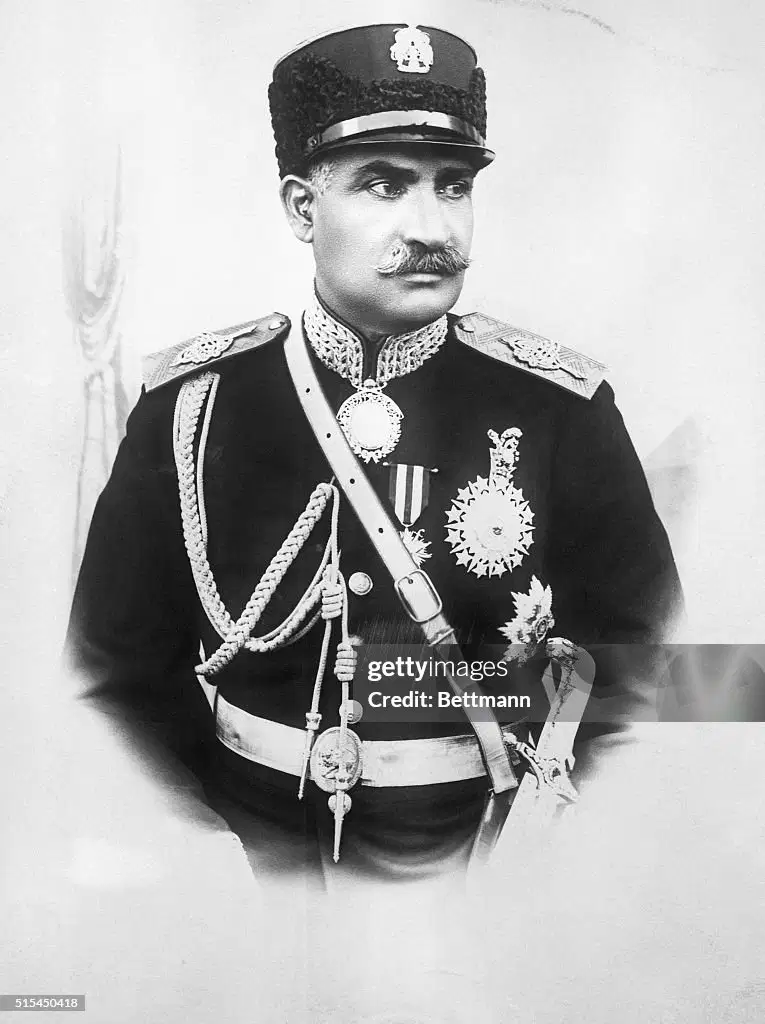
In 1925, an ambitious army officer, ___ ___, overthrew the [Persian] shah. He set up his own dynasty, with himself as the shah. Like Ataturk, he rushed to modernize Persia. He built factories, roads, and railroads. He forced Persians to wear Western clothing and set up modern secular schools. He moved to replace Islamic law with secular law and encouraged women to take part in public life.
(a)
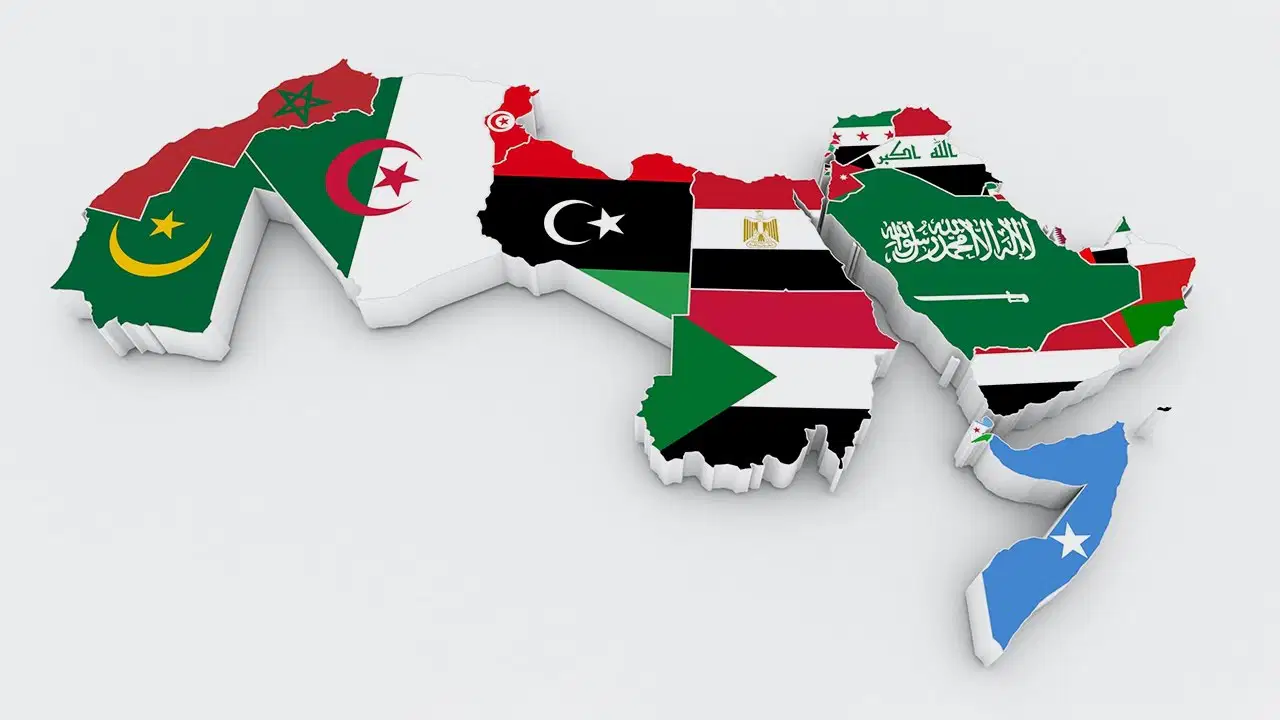
(a) emphasized the common history and language of Arabs and recalled the gold age of Arab civilization. The movement sought to free Arabs from their own state

The former Ottoman territories in the Middle East were put under the control of two Allies (WWI). France was given mandates in Syria and Lebanon, and British received mandates in ______ ___ ______. Later, Britain gave a part of one of their mandates, TransJordan, to an Arab ally, King Abdullah.
(a)
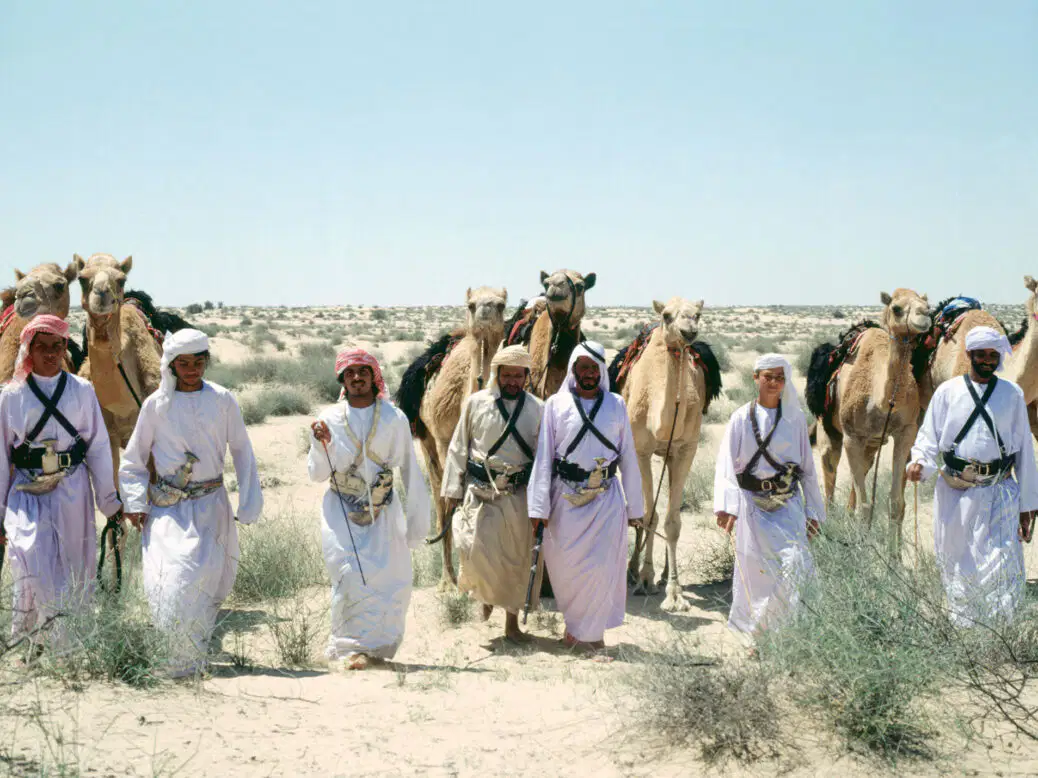
In an effort to gain support for the British war effort, Britain promised (a) their own kingdom in former Ottoman lands.
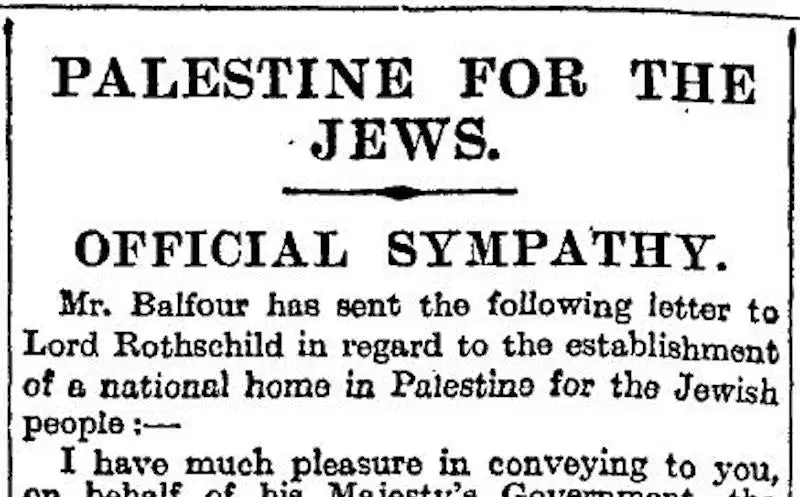
In 1917, the British attempted to win Jewish support by issuing the _____ _____, affirming Britain's support for the idea of establishing "a national home for Jewish people" in the Palestine Mandate
(a)

The Palestine Mandate included a changing mix of settlers. The Jewish population, which was less than 60,000 in 1919, grew to (a) in 1936, while the Muslim population increased from 568,000 to about 1 million.
Go to the Interactive Map: African Resistance to Colonial Rule. This map indicates that Nigeria was able to obtain their independence in (a) from Britain

Go to the Interactive Map: African Resistance to Colonial Rule.
_____ was occupied by Italy in 1911. It became an independent country in 1952 and a monarchy in 1959 after oil was discovered.
Go to the Interactive Map: African Resistance to Colonial Rule.
___ gained their independence in 1922. Prior to that, they were under the control of Britain since 1882.

Go to the Interactive Map: African Resistance to Colonial Rule
_____ has an apartheid system of government that separated 'black' from 'white' people. This was finally addressed, with the country gaining full democracy in 1994.

