
 Worksheets
Quiz on Literature and Language
Total questions: 27
Worksheet time: 14mins

A story written by someone about another person’s life is called a ______.
Biography
Autobiography
Memoir
Fiction

A type of writing that focuses on personal memories and emotional experiences is called a ______.
Biography
Autobiography
Memoir
Historical Fiction

When an author writes about their entire life, from childhood to adulthood, it is called an ______.
Biography
Autobiography
Memoir
Novel
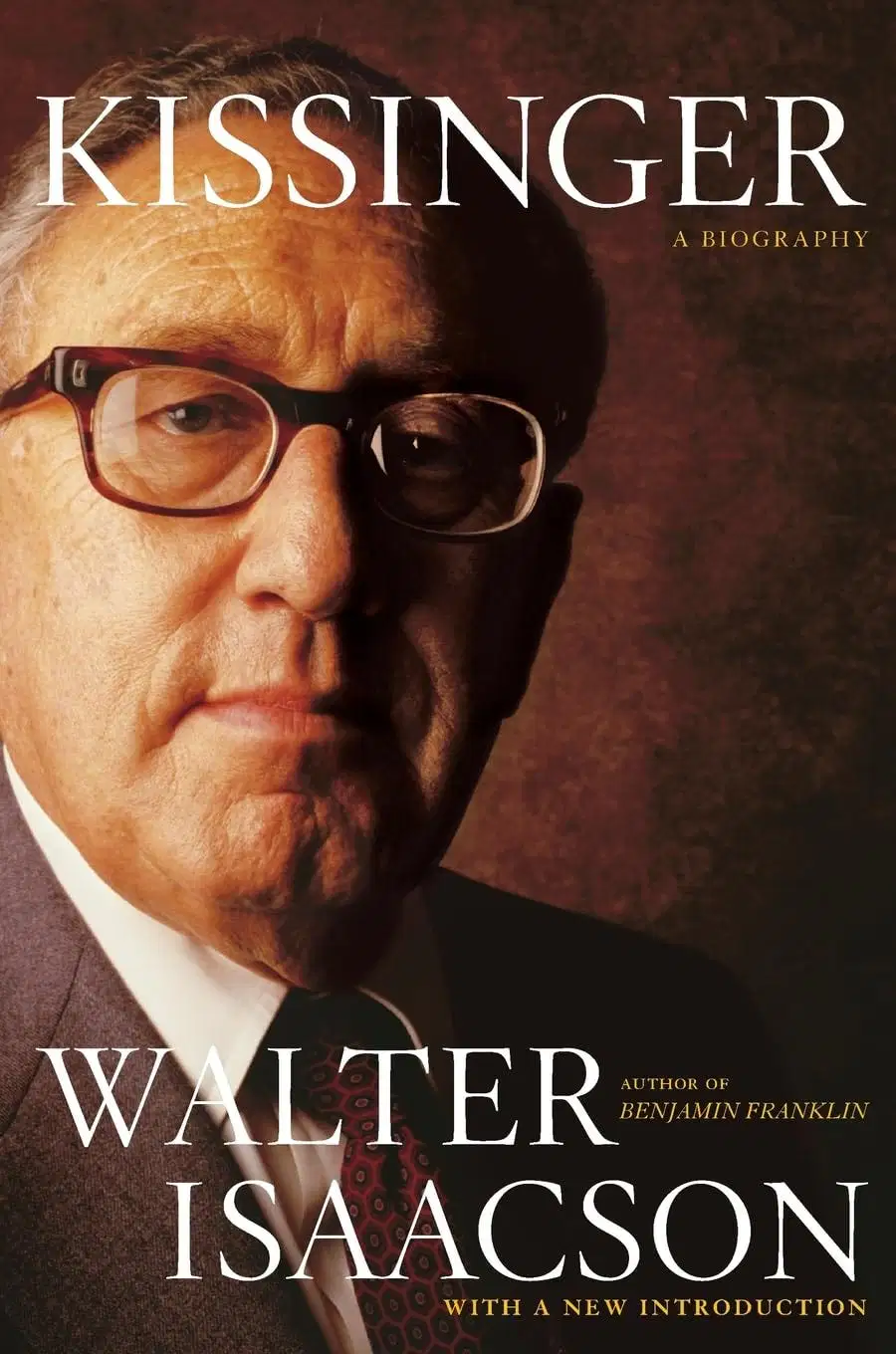
A story that includes historical events that shaped a person’s life but is written by someone else is called a ______.
Biography
Autobiography
Memoir
Historical Fiction

A type of writing that focuses on a specific period or theme in the author’s life is called a ______.
Biography
Autobiography
Memoir
Short Story

In the sentence, "Since the traffic was terrible, we arrived an hour late to the concert," what type of subordinate clause is used?
Time
Contrast
Cause and Effect
Conditional
In the sentence, "Even though the experiment failed, the students learned valuable lessons," what type of subordinate clause is used?
Time
Contrast
Cause and Effect
Conditional
In the sentence, "If you don’t water the plants, they will wither and die," what type of subordinate clause is used?
Time
Contrast
Cause and Effect
Conditional
In the sentence, "When the sun sets, the street lights automatically turn on," what type of subordinate clause is used?
Time
Contrast
Cause and Effect
Conditional
In the sentence, "Because the library closed early, I couldn’t borrow the book," what type of subordinate clause is used?
Time
Contrast
Cause and Effect
Conditional
Your classmate is not in their seat, and their bag is gone. What is the most likely explanation?
They must have left early.
They might be in the library.
They can’t be in the building.
They may have gone home.
You hear laughter and music coming from your neighbor’s house. What is the most likely explanation?
They must be having a party.
They might be watching a movie.
They can’t be home.
They may be practicing music.
A child is crying in the park, but no parents are nearby. What is the most likely explanation?
The child must be lost.
The child might be playing a game.
The child can’t be alone.
The child may be waiting for someone.
Your friend isn’t replying to your messages, but you know they’re busy with work. What is the most likely explanation?
They must be busy.
They might have forgotten.
They can’t be ignoring you.
They may be in a meeting.
In the sentence, "I think it will rain tomorrow," what type of future tense is used?
Future Prediction
Previous Plan
Ongoing Action in the Future
Finished Action in the Future
In the sentence, "She is meeting her friends at 7 PM; they booked the restaurant yesterday," what type of future tense is used?
Future Prediction
Previous Plan
Ongoing Action in the Future
Finished Action in the Future
In the sentence, "By next year, they will have built the new bridge," what type of future tense is used?
Future Prediction
Previous Plan
Ongoing Action in the Future
Finished Action in the Future
In the sentence, "He is going to study engineering; he applied to universities last month," what type of future tense is used?
Future Prediction
Previous Plan
Ongoing Action in the Future
Finished Action in the Future
In the sentence, "At midnight, I will be sleeping soundly," what type of future tense is used?
Future Prediction
Previous Plan
Ongoing Action in the Future
Finished Action in the Future
What does the metaphor "the clouds swirl like dancers in a slow, sad waltz" suggest about Maria’s emotions?
She is feeling joyful and carefree.
She is experiencing a sense of melancholy and confusion.
She is excited about the upcoming changes.
She is feeling angry and frustrated.
What does the metaphor "her heart were a locked box, filled with emotions she couldn’t quite name" suggest about Maria’s emotional state?
She is very open about her feelings.
She is confused and unable to express her emotions.
She is feeling extremely happy.
She is indifferent to her surroundings.
How does the small bird’s struggle and eventual success in riding the storm serve as a metaphor for Maria’s own journey?
It shows that Maria will give up on her struggles.
It suggests that Maria will learn to adapt and overcome her challenges.
It indicates that Maria will avoid facing her problems.
It means that Maria will rely on others to solve her issues.
In the sentence, "I think it (will / going to) rain tomorrow," which future tense structure is correct?
Will
Going to
Both are correct
Neither is correct
In the sentence, "She (is meeting / will be meeting) her friends at 7 PM; they booked the restaurant yesterday," which future tense structure is correct?
Is meeting
Will be meeting
Both are correct
Neither is correct
In the sentence, "By next year, they (will have built / will be building) the new bridge," which future tense structure is correct?
Will have built
Will be building
Both are correct
Neither is correct
In the sentence, "He (will study / is going to study) engineering; he applied to universities last month," which future tense structure is correct?
Will study
Is going to study
Both are correct
Neither is correct
In the sentence, "At midnight, I (will be sleeping / will have slept) soundly," which future tense structure is correct?
Will be sleeping
Will have slept
Both are correct
Neither is correct

