
 Worksheets
Autentico 3 - Tiempo Libre
Total questions: 50
Worksheet time: 41mins
What is the Spanish term for "self-portrait"?
el retrato
el autorretrato
la pintura
la escultura
Which word refers to a "work of art" in Spanish?
la obra de arte
la fuente de inspiración
el sentimiento
el tema
What is the Spanish term for "brush"?
la paleta
el pincel
el compás
el tambor
How do you say "to express oneself" in Spanish?
inspirar
expresar(se)
realizar
mostrar
What is the Spanish word for "sculptor"?
el / la poeta
el / la escultor(a)
el / la escrito(a)
el / la pintor(a)
Which term means "to influence" in Spanish?
inspirar
influir
representar
parecerse
What is the Spanish term for "stage"?
el escenario
el espectáculo
el taller
el fondo
How do you say "to perform" in Spanish?
actuar
realizar
interpretar
mostrar
What is the Spanish word for "band"?
el conjunto
la danza
el compás
el tambor
Which term refers to "lyrics" in Spanish?
la melodía
la letra
el ritmo
el paso
What is the Spanish term for "gesture"?
el gesto
el movimiento
el paso
el aplauso
How do you say "to stand out" in Spanish?
exagerar
descatar(se)
pararse
volverse
What is the Spanish word for "review"?
la reseña
la interpretación
la entrada
el aplauso
Which term means "to become" in Spanish?
volverse
parecerse
realizar
sonar
What is the Spanish term for "trumpet"?
el tambor
la trompeta
el compás
la danza
En el museo vimos muchos _______ de Frida Kahlo.
películas
cines
cuadros
cacahuates
Ayer fuimos al __________. Vimos una exposición de arte moderna.
museo
cine
película
cuadro
Ayer
last night
last week
last weekend
yesterday
Anoche
yesterday
last night
last week
last weekend
En fin de semana pasado
last week
last night
last weekend
yesterday
What is the regular past participle of the verb 'hablar'?
hablado
hablando
habló
hablaré
Cierto o Falso. o form the past participle of -ar verbs, add -ado to the root of the verb. For -er
and -ir verbs, add -ido to the root.
Cierto
Falso
It is common to use the past participle with the verb estar to give descriptions.
Remember that since the past participle is being used as an adjective in these
cases, it must agree in gender and number with the noun it describes:
Complete with the correct form of estar + past participle:
El pintor____________ (cansarse)
estoy cantando
está cansarse
está cansado
estoy cansado
It is common to use the past participle with the verb estar to give descriptions.
Remember that since the past participle is being used as an adjective in these
cases, it must agree in gender and number with the noun it describes:
Complete with the correct form of estar + past participle:
El muralista____________ (sentarse)
estoy sentado
está sentado
estamos sentados
estáis sentarse
It is common to use the past participle with the verb estar to give descriptions.
Remember that since the past participle is being used as an adjective in these
cases, it must agree in gender and number with the noun it describes:
Complete with the correct form of estar + past participle:
El fondo ____________ (pintar) de negro = The background is painted black.
está pintado
está pintarse
está pintar
estamos pintando

Tomás es _____ ________ alto de todos.
el más
la más
el menos
la menos
Para mí Tom Cruise es el actor ____________ (+ famoso/-a) del mundo.
--> superlativo relativo
más famoso
más famosisimo
más famozote
más famocito


Complete the sentence with the correct superlative (gender and number).
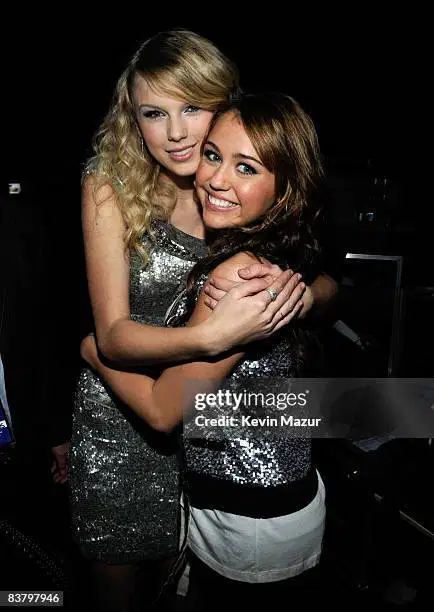
Taylor Swift y Miley Cyrus ____________ (are the most talented)
es la más talentosa
son las más talentosas
son talentosas
son las más grandes talentosas

Complete the sentence with the correct superlative (gender and number).
JoJo Siwa y Tekashi ____________ (are the least talented).
son los más talentosas
es los menos talento
son talentosas
son los menos talentosos
Complete the sentence with the correct superlative (gender and number).
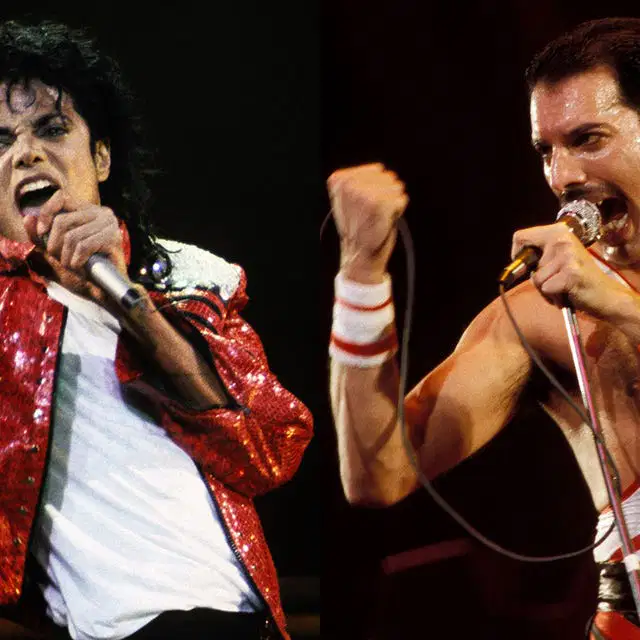
Michael Jackson y Freddie Mercurie son ____ ________ (the best singers)
las mejores cantantes
las más buenas cantantes
los mejores cantantes
los más buenos cantantes

Complete the sentence with the correct superlative (gender and number).
Amy Schumer es ____ ________ (the least comical).
la menos cómica
la más cómica
las menos cómicas
la mejor cómica

Cuando yo ______ 6 años, mi familia y yo _______ al Caribe. (Pick 1 TENER and 1 IR)
tenia
tuve
ibamos
fuimos
Cuando yo (CONDUCIR) a la casa nosotros (CANTAR) canciones de Enrique Iglesias.
conducía, cantábamos
conducía, cantamos
conduje, cantamos
conduje, cantábamos
Anoche , yo _______ al cine con mis amigos.
fui
iba

La profe me (ayudar) con las respuestas del examen de ayer.
ayudaba
ayudó
There are only _____ irregular verbs in the imperfect tense.
5
4
3
2
The irregular verbs in the imperfect are
ir, ver, and estar
ir, ver, and tener
oir, ver, and ser
ir, ver, and ser
What are the preterit tense ER/IR verb endings?
í, iste, ió, imos, ieron
é, aste, ó, amos, aron
o, es, e, emos, en
o, as, a, amos, an
é, aste, ó, amos, aron
AR preterit verb endings
AR present verb endings
ER preterit verb endings
endings in the imperfect tense
-aba -iba
ser, ir, ver
-aba , -ía
-iste - ieron

