
Font size
 Worksheets
Quiz on Protein Synthesis
Total questions: 22
Worksheet time: 16mins
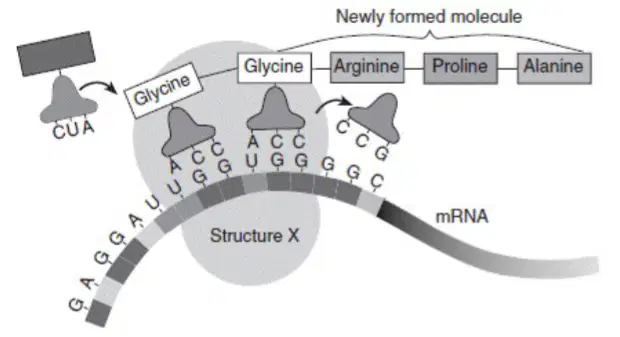
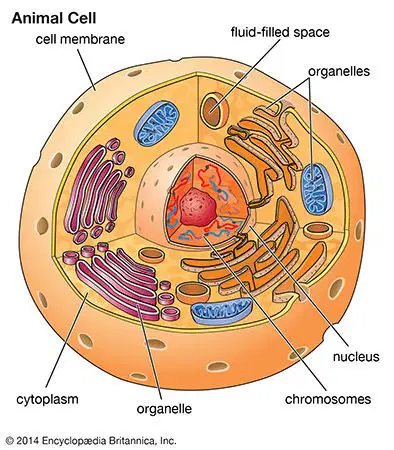
Structure X is a
mitochondrion
vacuole
nucleus
ribosome
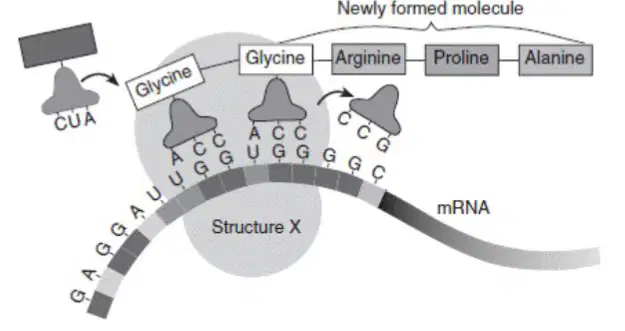
The process shown in the diagram is
cellular respiration
cellular reorganization
gene recombination
protein synthesis
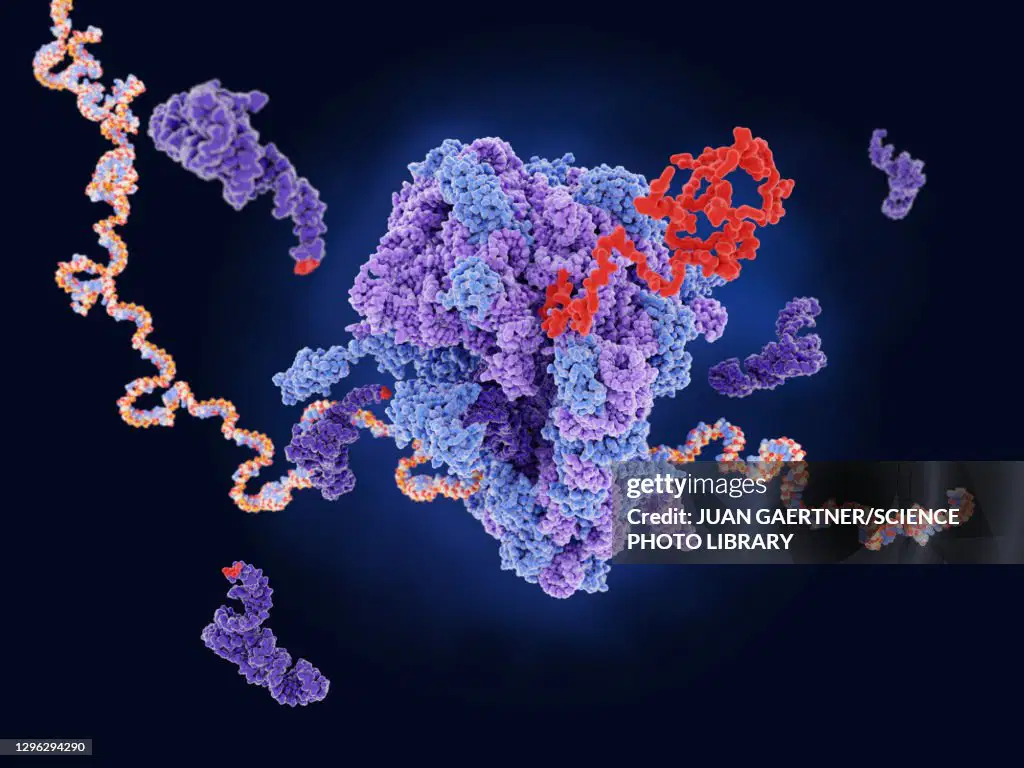
Which two cell structures work together in the process of protein synthesis?
nucleus and chloroplast
ribosome and vacuole
nucleus and ribosome
mitochondrion and cell membrane
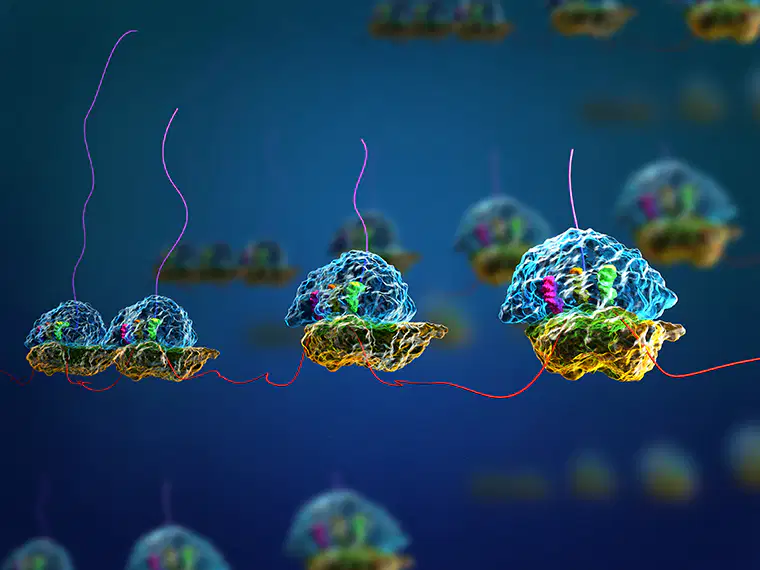
In a cell, protein synthesis is the primary function of
ribosomes
mitochondria
chloroplasts
vacuoles
Identify the mRNA codons that would be produced using the DNA sequence AAC GCC GTC CGC TAG as a template.
UUG CGG CAG GCG AUC
UUC GGC CAG GGC AUC
UUG GGC CAG GCG AUC
UUC CGG CAG GCG AUC
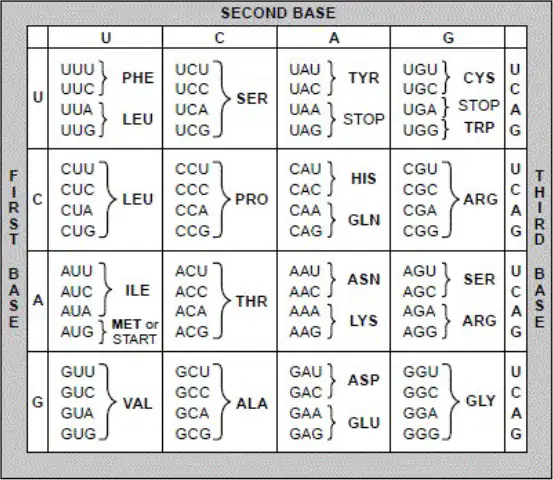
When provided with a sequence of bases in one segment of mRNA, the Universal Genetic Code Chart is used to:
directly identify the DNA from an animal cell
determine the sequence of amino acids in a protein
change the RNA sequence of a protein into DNA
identify the specific mutations in the genetic material in a cell

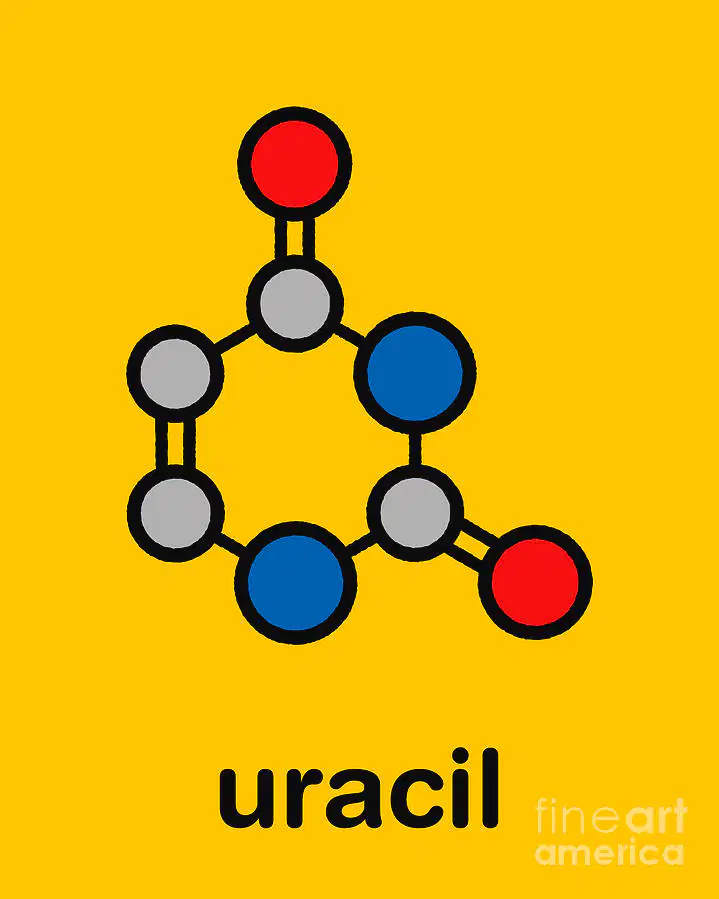
Which nucleotide base is found in RNA but not DNA?
Adenine
Thymine
Cytosine
Uracil

What is the main difference between DNA and RNA?
DNA contains uracil; RNA contains thymine
DNA is single-stranded; RNA is double-stranded
DNA uses thymine; RNA uses uracil
DNA is only in the nucleus; RNA is only in the cytoplasm


Which molecule goes between the nucleus and the cytoplasm to help carry out protein synthesis?
mRNA
tRNA
rRNA
DNA
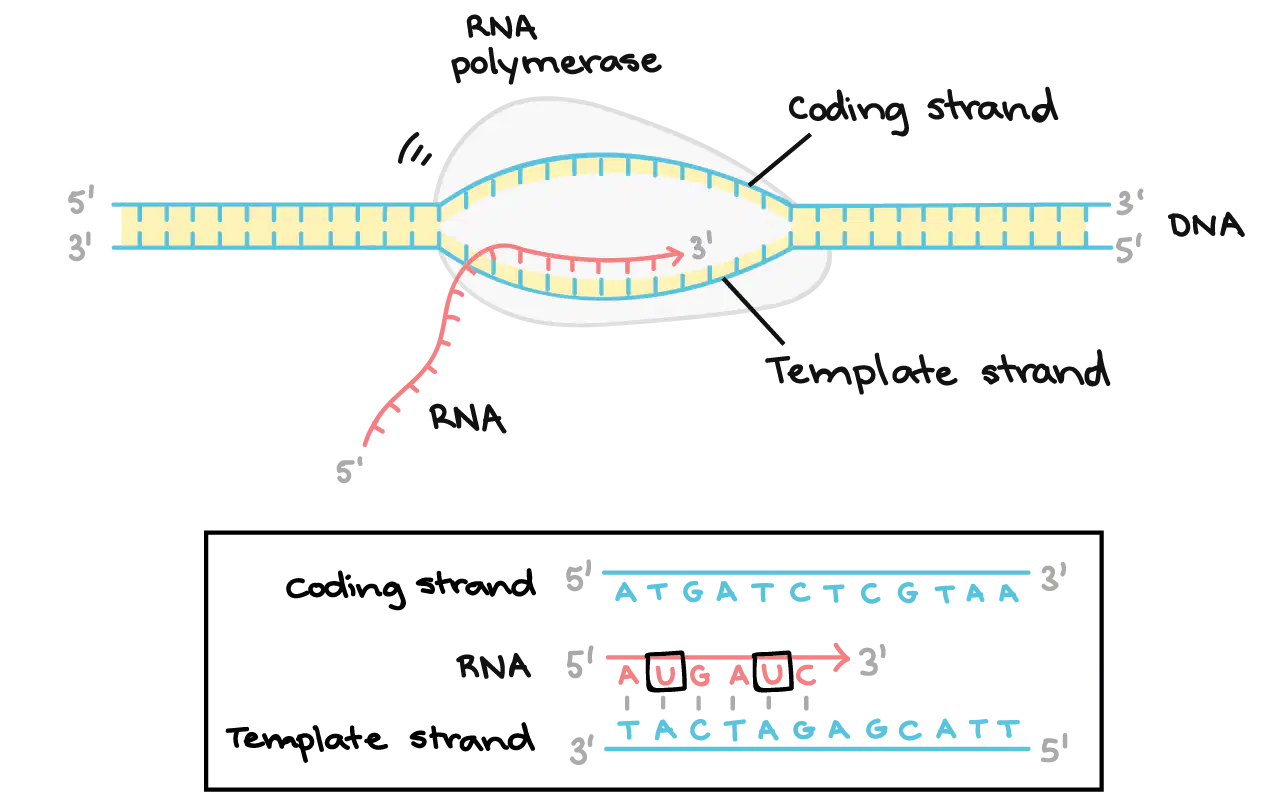
What is the first step in protein synthesis?
Translation, where mRNA is used to assemble proteins
Transcription, where DNA is copied into mRNA
Replication, where DNA makes a duplicate copy of itself
Splicing, where introns are removed from pre-mRNA
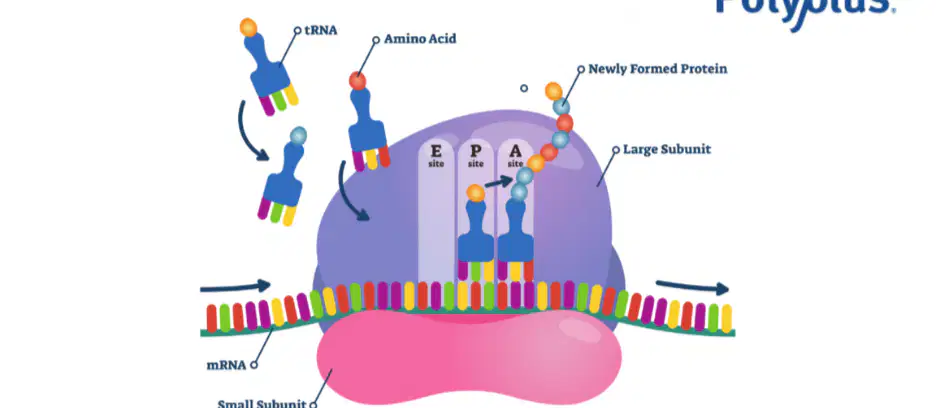
What is the second step in protein synthesis?
Replication, where DNA makes a duplicate copy of itself
Transcription, where DNA is copied into mRNA
Splicing, where introns are removed from pre-mRNA
Translation, where mRNA is read and used to form a protein
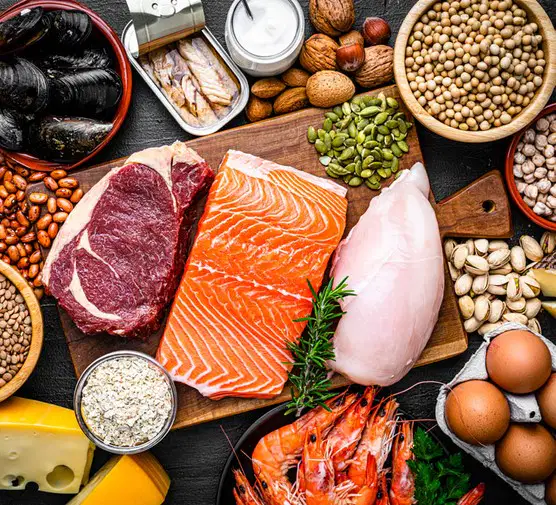
Large biomolecules that carry out specific functions in the body are:
proteins
vitamins
minerals
lipids

Nitrogen bases are read (a) bases at a time?
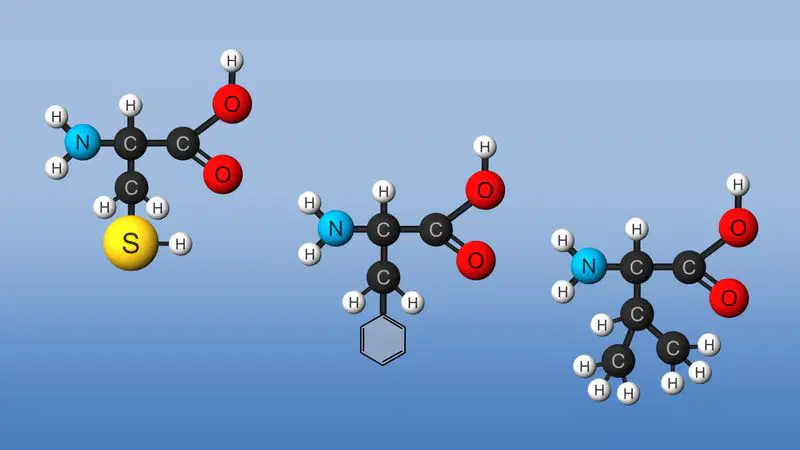
What are proteins made of?
Glucose
Sucrose
Amino Acids
Nucleotides

Copying and carrying the genetic code is the responsibility of which molecule?


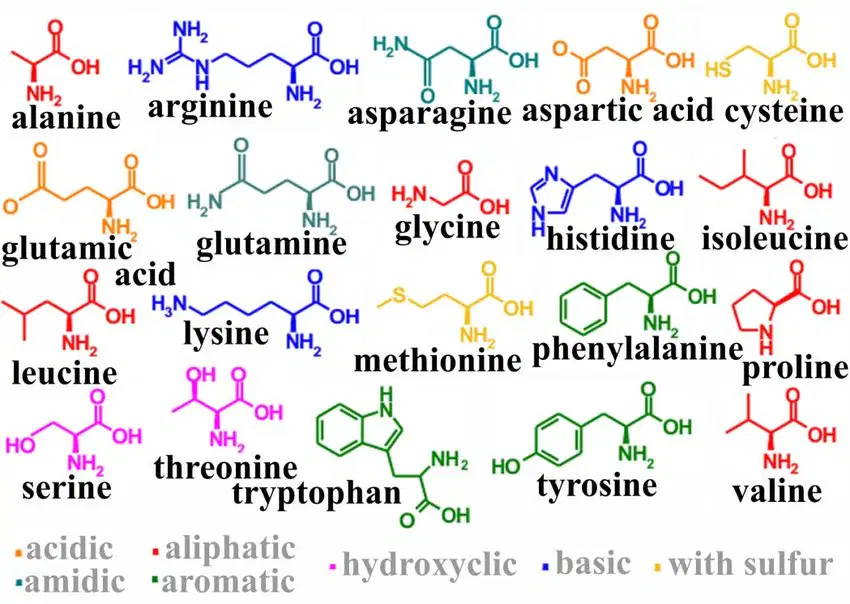
When these bond together, they form a protein
Amino Acids
Peptide Bonds
Ribose
Nucleotides
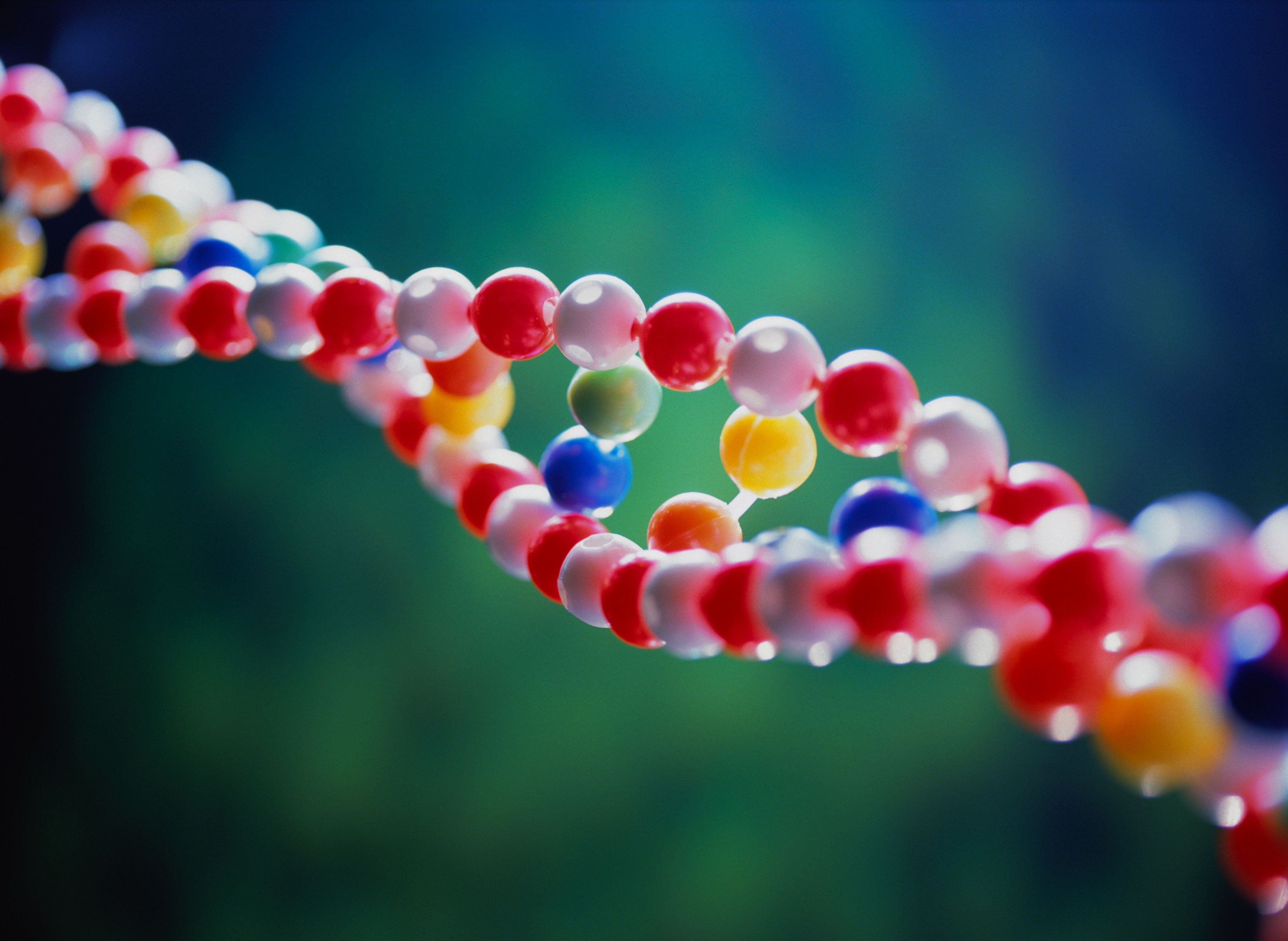
it is very small and very complicated
it isn't important
it serves as the blueprint for traits of all living things
because we eat it every day for energy

