
 Worksheets
6.8: Processing techniques
Total questions: 102
Worksheet time: 51mins
What is the purpose of understanding processing techniques?
To improve material aesthetics
To understand how processing techniques affect material properties
To reduce costs
To increase production speed.
By what method can different materials be researched?
By trial and error
By researching different materials
By consulting experts
By using simulation software.
When processing a material, it is possible to alter its ______.
color
properties
weight
size
Material processing is done to modify:
Grain structure
Composition
Both A and B
Neither A nor B
The 'What' of material processing is to understand how processing techniques affect ______.
material color
material properties
material weight
material size
The 'Why' of material processing is to ensure the correct material is ______ for engineering applications.
painted
chosen
weighed
cut
Researching different materials is part of the 'How' in:
Material painting
Material processing
Material weighing
Material cutting
Metal forming is a broad term that encompasses a number of ________ processes.
manufacturing
cooking
painting
cleaning
By researching different materials, one can understand how processing techniques affect material properties. True or False?
True
False
In the context of metal forming, what is the difference between hot rolled and cold rolled processes?
A) Temperature
B) Speed
C) Material
D) Cost
What is metal forging?
A process of cutting metal
A process of shaping metal using compressive forces
A process of melting metal
A process of painting metal.
What is bending in metal forming?
A process using a brake press
A process using a hammer
A process using a saw
A process using a drill
What is the main purpose of the rolling process in metalworking?
To increase the thickness of metal
To reduce the thickness of metal and make it uniform
To change the color of metal
To melt the metal.
Which of the following is true about hot rolling?
It occurs below the recrystallisation temperature
It occurs above the recrystallisation temperature
It does not involve temperature
It is the same as cold rolling.
What is the process called when steel is heated above its recrystallisation temperature and then cooled at room temperature?
A) Annealing
B) Normalisation
C) Tempering
D) Quenching
The hot rolling process enhances the _______ and ductility of steel.
hardness
toughness
brittleness
elasticity
Hot rolled forms can be much larger than cold rolled forms. True or False?
True
False
In the hot rolled steel process, what comes after the 'Hot Rolling' stage?
Slab
Reheating
Black Hot Rolled Steel Coil
Pickling line
What is the final stage in the hot rolled steel process as shown in the diagram?
Reheating
Hot Rolling
Pickling line
Slab
Cold working is done at temperatures ______ the recrystallisation temperature of the metal.
above
below
at
around
What is a dislocation in the context of cold working?
A type of metal
A crystallographic defect in the metal crystal system
A method of heating metals
A process of cooling metals
What is the recovery process in hot working?
No recovery occurs
Recovery occurs simultaneously with deformation
Recovery occurs after deformation
Recovery is not needed.
How are cracks handled in hot working?
A) Cracks propagate
B) Cracks are removed
C) New cracks are formed
D) Cracks are ignored
What is the main difference in temperature between hot working and cold working?
Hot working is performed at temperatures below the recrystallisation temperature
Cold working is performed at temperatures above the recrystallisation temperature
Hot working is performed at temperatures above the recrystallisation temperature
Both are performed at the same temperature.
What is the purpose of understanding how processing techniques affect material properties?
To improve aesthetic appeal
To ensure safety
To choose the correct material for an engineering application
To reduce costs.
In the context of metal processing, what does the stretching process involve?
Heating the metal
Cooling the metal
Stretching and bending the workpiece simultaneously
Painting the metal.
In the process of sintering, the material is squeezed together under high temperature and pressure to increase its properties. Which property is improved by this process?
A) Thermal conductivity
B) Electrical conductivity
C) Material strength
D) All of the above.
Thermoplastic powder coating becomes ______ when heated.
Hard and brittle
Liquid and very soft
Solid and rigid
Sticky and elastic
Why is thermoset powder coating suitable for high heat areas?
It melts easily
It forms chemical bonds
It is flexible
It is cost-effective.
Which of the following is NOT a type of mould design mentioned in the casting process?
Expendable mould
Permanent mould
Composite mould
Temporary mould

Name a suitable process for the fabrication of this joint.
Brazing
Welding
Soldering
Epoxy resin

Name a suitable process for the manufacture of this kitchen sink.
Die casting
Milling
Spinning
Press forming
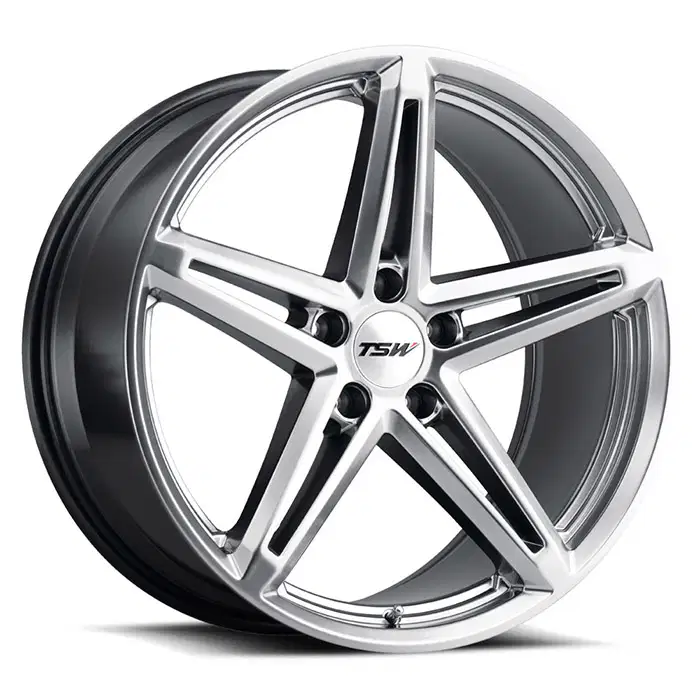
Name a suitable process for the manufacture of this car wheel.
Die casting
Milling
Spinning
Press forming
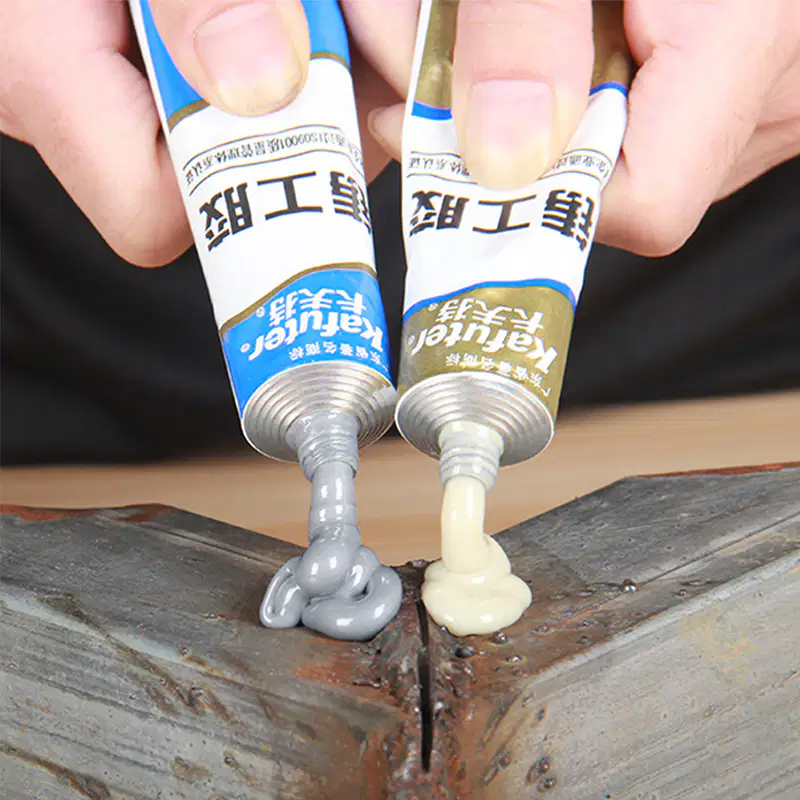
Name the joining/filling method shown.
Epoxy Resin
Brazing
Soldering
Welding
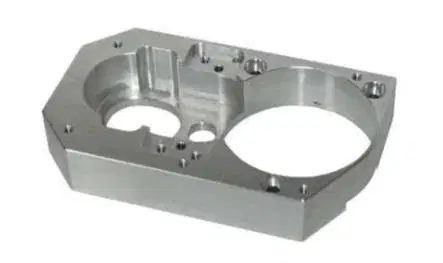
Name a suitable process for the manufacture of this component.
Die casting
Milling
Spinning
Press forming
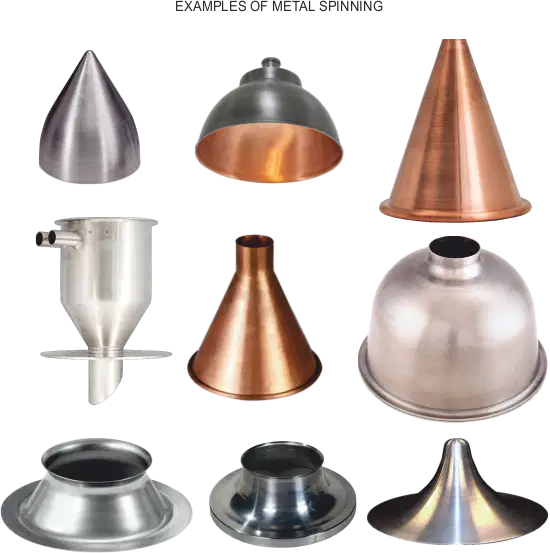
Name a suitable process for the manufacture of these components.
Die casting
Milling
Spinning
Press forming
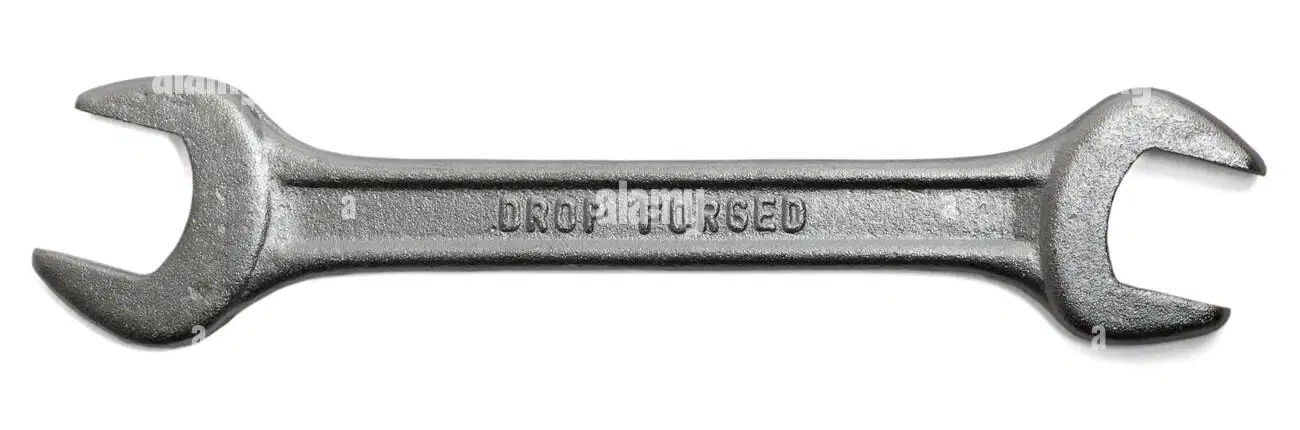
Name a suitable process for the manufacture of these components.
Sand casting
Sintering
Drop Forging
Deep drawing
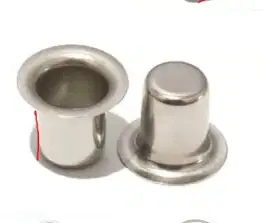
Name a suitable process for the manufacture of these components.
Sand casting
Sintered
Forged
Deep drawing
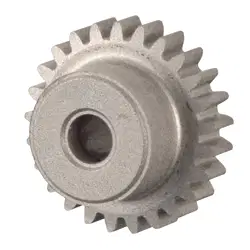
Name a suitable process for the manufacture of this component.
Sand casting
sintering
Spinning
Press forming

Name a suitable process for the manufacture of these components.
Cupping
CNC Router
Spinning
CNC Lathe

Name a suitable process for the fabrication of this car door panel.
Press forming
die casting
Drop forging
Cold forming
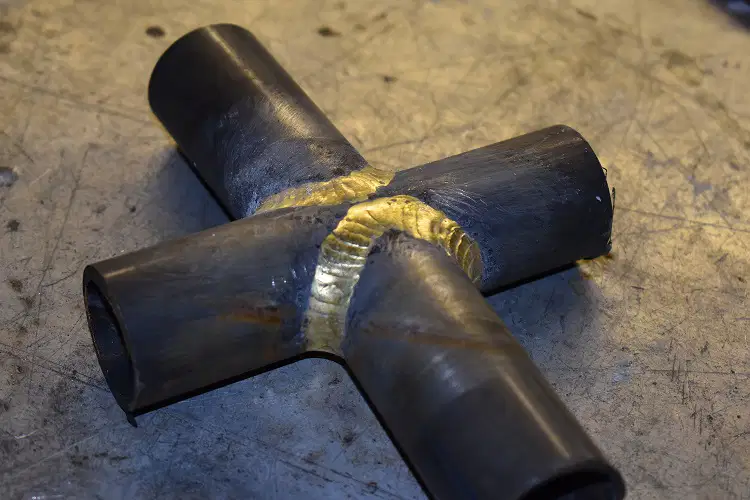
Name a suitable process for the fabrication of this joint.
Brazing
Welding
Epoxy Resin
Soldering
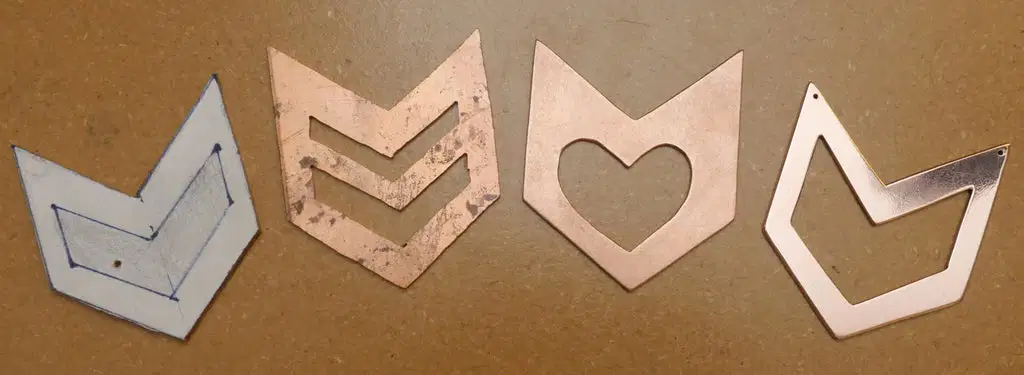
Name a suitable process for the manufacture of these components.
Piercing
Cupping
Drop Forging
Deep drawing
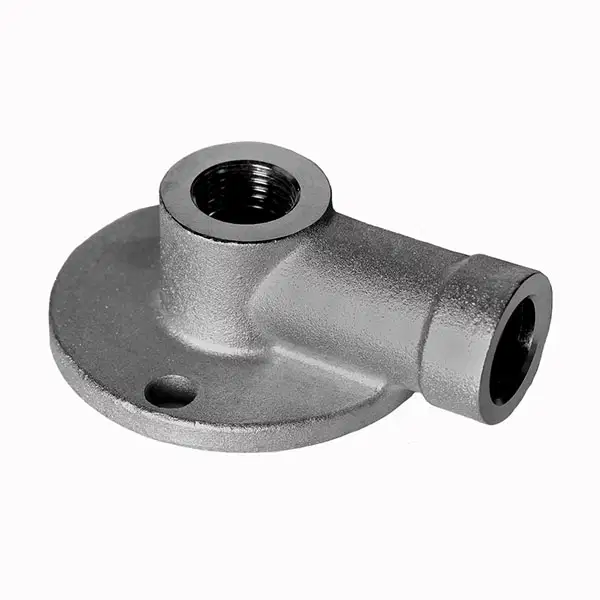
Name a suitable process for the manufacture of this component.
Piercing
Cupping
Drop Forging
Investment Casting
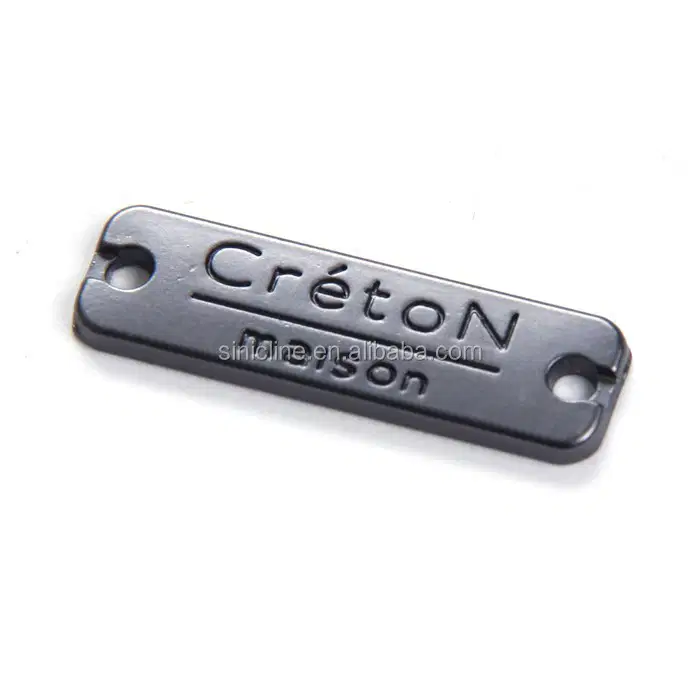
Name a suitable process for the fabrication of this tag.
Press forming
Punching
Drop forging
Cold forming

Name a suitable process for the fabrication of this joint.
Epoxy Resin
Brazing
Soldering
Welding
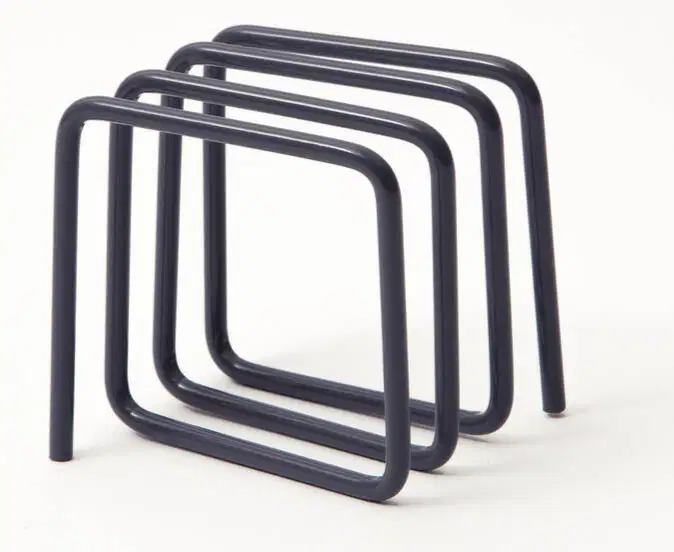
Name a suitable process for this letter rack.
Drop forging
De-bossing
Cold forming
Press forming
What aspect of a material is altered during material processing?
Its location
Its properties
Its ownership
Its price
Which component is often modified in material processing?
Temperature
Grain structure
Color
Volume
Which of the following is a key difference between hot rolling and cold rolling?
The color of the metal
The temperature at which the process is performed
The type of metal used
The speed of the rollers
At what temperature is hot working performed?
Below the recrystallisation temperature
Above the recrystallisation temperature
At room temperature
At freezing temperature
What is the recovery process like in cold working?
Rapid recovery
No significant recovery
Complete recovery
Partial recovery
What happens to cracks in cold working?
Cracks are sealed
Cracks propagate and new cracks form
Cracks disappear
Cracks remain unchanged
In the stretching process, how does the deformation of the sheet occur?
Through axial strain
Through radial strain
Through torsional strain
Through compressive strain
What happens to the atoms in the material during sintering?
They evaporate
They melt
They diffuse across particle boundaries and fuse together
They condense
What is the key difference between sintering and melting?
Sintering involves liquefaction
Sintering forms a solid without melting
Melting uses pressure
Melting forms a gas
Which of the following is a common application of sintering?
Making paper
Producing metal parts
Growing plants
Baking bread
Which of the following is NOT a property increased by sintering?
Thermal conductivity
Electrical conductivity
Material strength
Porosity
What is the primary purpose of sintering?
To increase the weight of the material
To impart strength and integrity to the material
To change the color of the material
To reduce the size of the material
During the sintering process, what must be kept below the melting point of the constituent materials?
Pressure
Volume
Temperature
Density
What is the third type of mould used in casting?
Composite mould
Flexible mould
Temporary mould
Reusable mould
What is the main advantage of using a permanent mould in casting?
Lower cost per casting
Higher production speed
Greater flexibility in design
Easier to modify
What is the primary purpose of using a lubricant in metal forming processes?
To increase friction
To reduce tool wear
To change the color of the metal
To increase the temperature
What is amorphous in crystal structure?
What is the final shape of the product made with deep drawing?
Why is acrylic used in engineering?
What is powder coating?
What is the process of forming a solid mass of material through heat and pressure without melting to the point of liquefaction?
Rolling
Sintering
Bending
Casting
Which metal forming process is used to produce components with long lengths or for large production runs?
Bending
Roll forming
Deep drawing
Injection moulding
What is the temperature range for hot working in metal processing?
Below the recrystallisation temperature
At the melting point of the metal
Above the recrystallisation temperature
At room temperature
Which metal forming process involves stretching and bending the workpiece simultaneously over a die to form complex or large contoured parts?
Sintering
Stretching
Rolling
Casting
What is the purpose of sintering in materials processing?
To increase the melting point of the material
To reduce the strength of the material
To impart strength and integrity to the material
To make the material more brittle
Which type of powder coating forms chemical bonds once cured, making it impossible to recycle?
Polyethyelene powder coating
Thermoplastic powder coating
Thermoset powder coating
Acrylic powder coating
What is the most common type of expendable mould casting that generally uses permanent patterns to create the mould?
Die casting
Gravity casting
Investment casting
Sand casting
Which material is known for its strength, impact resistance, and corrosion resistance in injection moulding?
Acrylic (PMMA)
Polyethyelene (PE)
Acrylonitrile butadiene styrene (ABS)
Polycarbonate (PC)
What is the process of melting plastic pellets at pressure into a mould cavity to produce the final product?
Rolling
Sintering
Bending
Injection moulding
What is the key difference between hot working and cold working in metal processing?
The type of metal used
The temperature range used
The size of the finished product
The presence of internal and residual stresses
What is the process of heating a metal to a temperature below its melting point and then cooling it slowly?
Quenching
Tempering
Annealing
Hardening
Which plastic is most commonly used in injection moulding due to its easy flow and low cost?
Polyvinyl Chloride (PVC)
Polystyrene (PS)
Polypropylene (PP)
Polycarbonate (PC)
Which metal forming process involves compressing a metal piece between two rollers?
Rolling
Forging
Extrusion
Deep drawing
What is the process of shaping metal by deforming it with a hammer or by using a press?
Forging
Rolling
Extrusion
Sintering
What is the process of forcing a metal through a die to reduce its cross section or change its shape?
Forging
Rolling
Extrusion
Sintering
What is the process of heating a metal to a high temperature and then cooling it rapidly to increase its hardness?
Quenching
Tempering
Annealing
Hardening
What is the process of shaping a metal into a thin, flat piece by placing it between two rollers?
Forging
Rolling
Extrusion
Sintering
What is the process of creating a hollow object by expanding a hot metal against the interior surface of a mould?
Blow moulding
Injection moulding
Extrusion
Forging
What is the process of heating a metal to a high temperature and then cooling it slowly to relieve internal stresses?
Quenching
Tempering
Annealing
Hardening
What is the process of shaping a metal into a cylindrical shape by rotating it against a cutting tool?
Forging
Rolling
Turning
Sintering
Which plastic is known for its transparency and excellent resistance to UV radiation in injection moulding?
Acrylic (PMMA)
Polyethyelene (PE)
Acrylonitrile butadiene styrene (ABS)
Polycarbonate (PC)
What is the process of heating a metal to a high temperature and then cooling it rapidly to increase its toughness?
Quenching
Tempering
Annealing
Hardening
What is the process of shaping a metal into a hollow cylindrical shape by forcing it through a die?
Forging
Rolling
Extrusion
Tubing
Which plastic is known for its high impact strength and flexibility in injection moulding?
Polyvinyl Chloride (PVC)
Polystyrene (PS)
Polypropylene (PP)
Polyethylene (PE)
What is the process of heating a metal to a high temperature and then cooling it slowly to increase its ductility?
Quenching
Tempering
Annealing
Hardening
What is the process of shaping a metal into a thin wire by pulling it through a die?
Forging
Rolling
Extrusion
Drawing
Which plastic is known for its high heat resistance and strength in injection moulding?
Polyvinyl Chloride (PVC)
Polystyrene (PS)
Polypropylene (PP)
Polysulfone (PSU)
What is the process of heating a metal to a high temperature and then cooling it rapidly to increase its wear resistance?
Quenching
Tempering
Annealing
Hardening
What is the process of heating a metal to a high temperature and then cooling it rapidly to increase its tensile strength?
Quenching
Tempering
Annealing
Hardening
Which plastic is known for its high chemical resistance and toughness in injection moulding?
Polyvinyl Chloride (PVC)
Polystyrene (PS)
Polypropylene (PP)
Polyethylene (PE)
What is the process of shaping a metal into a flat sheet by compressing it between two rollers?
Forging
Rolling
Extrusion
Sheeting
What is the process of heating a metal to a high temperature and then cooling it slowly to increase its malleability?
Quenching
Tempering
Annealing
Hardening
Which plastic is known for its high transparency and excellent weather resistance in injection moulding?
Polyvinyl Chloride (PVC)
Polystyrene (PS)
Polypropylene (PP)
Polymethyl Methacrylate (PMMA)
What is the process of shaping a metal into a desired shape by heating it to a high temperature and then hammering or pressing?
Forging
Rolling
Extrusion
Sheeting
Which plastic is known for its high heat resistance and strength in injection moulding?
Polyvinyl Chloride (PVC)
Polystyrene (PS)
Polypropylene (PP)
Polycarbonate (PC)

