wayground logo

Free Printable Worksheets

Font size

S
M
L
XL
Worksheets

Form 5 Review

Total questions: 86

Worksheet time: 1hrs 5mins

Name
Class
Date
1.

Jews believe God choose...

a)

The Land of Israel

b)

The Jews

c)

The Jews and the Land of Israel

d)

Gentiles

2.

The covenant in ___________ promised the Jews the land of os Israel and many descendants

a)

Genesis

b)

Exodus

c)

Leviticus

d)

Numbers

3.

The later revelation of the ______ of Moses showed the Jews how the covenant was to be kept

a)

Rules

b)

Law

c)

Torah

d)

Qur'an

4.

In the land of Canaan (later called Israel) , ______ tribes of Israel were ruled by the Judges.

a)

6

b)

12

c)

18

d)

24

5.

In 586 BCE, Jerusalem fell to the Babylonians and the _________ was destroyed, the Jews went into exile.

a)

Torah

b)

Sabbath

c)

Sedar Plate

d)

Temple

6.

When Galilee was under the rule of Herod Antipas, there was no indication that he tried to impose a Greek or Roman way of living. The Gospels refer to Jesus attending _______________ and keeping the pilgrim festivals.

a)

Weddings

b)

Synagogues

c)

Mosques

d)

Olympics

7.

What religion does the Shabbat belong to?

a)

Islam

b)

Sikhism

c)

Judaism

d)

Buddhism

8.

What is the Shabbat?

a)

The Jewish holy day of rest.

b)

A time spent with friends.

c)

Christmas Day for Jews.

d)

A Jewish time of remembrance.

9.

Which one of these festivals is Jewish?

a)

Eid.

b)

Pesach.

c)

Christmas.

d)

Halloween.

10.

A mezuzah can be places on every single doorpost in a Jewish home. Is this true or false?

a)

True

b)

False

11.

What would you find inside a mezuzah?

a)

A birthday card.

b)

An invitation.

c)

A religious blessing.

d)

The Shema prayer.

12.

When an Orthodox Jew wakes up they will often recite the Modeh Ani, is this true or false?

a)

True

b)

False

13.

What is a siddur?

a)

A hymn book.

b)

A Bible.

c)

A part of the Qu'ran.

d)

A prayer book.

14.

What does the word 'kosher' mean?

a)

A Jewish prayer.

b)

'Fit' and 'proper,' in accordance with Jewish Law.

c)

A special Jewish meal.

d)

A Jewish holiday.

15.

What day is Shabbat celebrated on?

a)

Thursday.

b)

Sunday.

c)

Friday evening through to Saturday evening.

d)

Monday at 12pm.

16.

During Eid, after the prayers, Muslims greet each other saying:

a)

eid Mubarak

b)

eid Salam

c)

eid Allah

d)

eid Khutbah

17.

Which festival is celebrated at the end of ramadan

a)

Eid-ul-fitr

b)

Eid-ul-Adha

18.

Eid-ul-Adha is celebrated at the month of Dhul hijjah

a)

True

b)

False

19.

Eid-ul-Fitr is

a)

the festival of sacrifice

b)

the festival at the end of Ramadan when the crescent moon is sighted

c)

the festival that marks the beginning of the Islamic winter

d)

the festival to celebrate the day Muhammad gave his final speech
20.

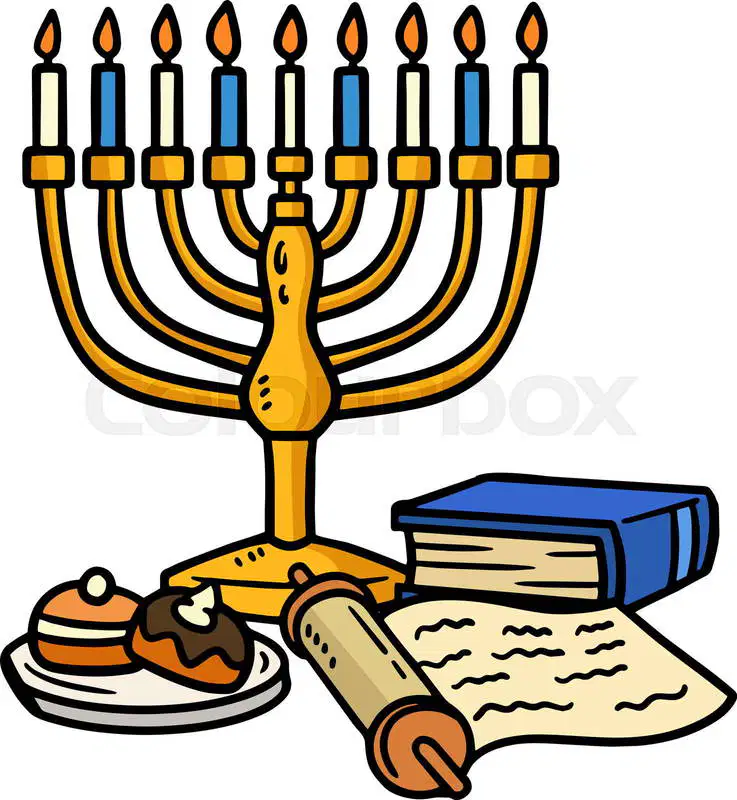
Hanukkah is a ___ festival

a)

Jewish

b)

Muslim

c)

Christian

d)

Hindu

21.

Christians celebrate ___ .

a)

Christmas

b)

Eid ul Fitr

c)

Hanukkah

d)

Diwali

22.

Camille experienced a cultural event where she saw groups of people put small lamps around their home and on the streets. There were lights all around.

a)

Crop Over Festival

b)

Hosay

c)

Diwali

d)

Passover

23.

One of the following is not a religious festival

a)

Hosay

b)

Diwali

c)

Crop Over

d)

Passover

24.

In which country is Diwali celebrated?

a)

Jamaica

b)

Trinidad

c)

Barbados

d)

Cuba

25.

Which religious group celebrates Divali?

a)

Hindus

b)

Muslims

c)

Christians

d)

Jews

26.

Identify the festival that is correctly matched with the religious group.

a)

Diwali......Muslims

b)

Eid-ul-fitr...Hindus

c)

Festival of lights....Christians

d)

Passover....Jews

27.
How long does Ramadan last?
a)
1 day
b)
1 week
c)
1 month
d)
3 months
28.

Why are festivals important to believers?

a)

They remember important events and teachings

b)

People can spend a lot of money and enjoy themselves

c)

They make people forget about their religion

29.

Why is Advent important for Christians?

a)

It remembers the descent of the Holy Spirit

b)

It a time to prepare for the birth of Jesus

c)

It is a time to think about Jesus's death

30.

What is celebrated at Christmas?

a)

The birth of Jesus

b)

Jesus going to Heaven

c)

The descent of the Holy Spirit

31.

What event is remembered at Epiphany?

a)

The coming of Jesus

b)

Jesus going to Heaven

c)

The visit of the Magi (wise men) to the infant Jesus

32.

How do many Christians mark the start of Lent?

a)

They wear their best clothes

b)

They mark the sign of the cross on their foreheads with ashes

c)

They wave palm branches

33.

Which event in the life of Jesus do Christians remember on Palm Sunday?

a)

The entry into Jerusalem

b)

Jesus going to Heaven

c)

The visit of the Magi (wise men)

34.

What do Christians recall on Maundy Thursday?

a)

The descent of the Holy Spirit

b)

The birth of Jesus

c)

The Last Supper

35.

Why is Good Friday important for Christians?

a)

It marks the day when Jesus was crucified

b)

It marks the day of the Last Supper

c)

Jesus ascended to Heaven

36.

Why is Easter Day the most important Christian festival?

a)

The Son of God was born on earth

b)

The Magi (wise men) visited the infant Jesus

c)

It marks Jesus's resurrection from the dead

37.

Name the 2 'most important' and 'most celebrated' Festivals of Christianity.

a)

Good Friday and Easter

b)

Christmas and Easter

c)

Christmas and Pentecost

d)

Christmas and Good Friday

38.

What are popular traditional symbols used by Christians when celebrating 'Advent'?

a)

Advent Candles

b)

Christingles

c)

Easter Eggs

d)

Advent Calendar

39.

The period leading up to Easter commemorating the forty days Jesus spent in the desert fasting and praying.

a)

Lent

b)

Holy Week

c)

Ascension Day

d)

Advent

40.

The last week of Jesus' life, including Palm Sunday which celebrates Jesus' entry into Jerusalem the week before his crucifixion.

a)

Holy Trinity

b)

Holy Week

c)

Saints' Day

d)

Advent

41.

Celebrates the day Jesus ascended into Heaven.

a)

Ascension Day

b)

Advent

c)

Epiphany

d)

Holy Week

42.

What are the 3 things Christians focus on when they commemorate the Lent Festival?

a)

Prayer, Fasting, Almsgiving

b)

Going to Church, Feasting, Praying

c)

Relent, repent, renounce

d)

Fasting, Abstaining, Praying

43.
What is the primary source of authority in Christianity
a)
Tradition
b)
Magisterium
c)
Bible
d)
Individual conscience
44.
What is tradition in Christianity
a)
The teachings, practices, and beliefs passed down through generations within the church
b)
The teachings and actions of Jesus
c)
The guidance of the Holy Spirit
d)
The teachings of the Pope and the bishops
45.
Who is the Magisterium made up of
a)
The Pope and bishops
b)
The Saints and spiritual leaders
c)
The early Christian leaders
d)
The Israelites
46.
What is the role of the Magisterium in Christianity
a)
To preserve the integrity of the faith
b)
To interpret and apply the teachings of the church
c)
To tell the story of Jesus' life
d)
To provide guidance on how to live a good life
47.
What is the purpose of the individual conscience in Christianity
a)
To seek the guidance of the Holy Spirit
b)
To interpret the Bible
c)
To understand the teachings of the church
d)
All of the above
48.
What is the book of Psalms considered as
a)
Historical account
b)
Spiritual text
c)
Wisdom literature
d)
Apocalyptic literature
49.
What is the book of Proverbs considered as
a)
Historical account
b)
Spiritual text
c)
Wisdom literature
d)
Apocalyptic literature
50.
What is the book of Revelation considered as
a)
Historical account
b)
Spiritual text
c)
Wisdom literature
d)
Apocalyptic literature
51.
What type of writing are the Epistles
a)
Narrative
b)
Poetry
c)
Prophecy
d)
Letters
52.
What is the significance of the Dead Sea Scrolls
a)
They provide information about the history and development of the Hebrew Bible.
b)
They provide valuable information about the beliefs and practices of Jewish sects during the Second Temple period.
c)
They give us a glimpse of the religious context in which Jesus and his followers lived.
d)
All of the above
53.
Are the Dead Sea Scrolls considered as a source of authority in Christianity
a)
Yes
b)
No
54.
What is the process of determining which texts are considered to be part of the Bible called
a)
Tradition
b)
Magisterium
c)
Canonization
d)
Divine inspiration
55.
Which type of writing is the book of Genesis
a)
Narrative
b)
Poetry
c)
Prophecy
d)
Wisdom literature
56.
Which type of writing is the book of Isaiah
a)
Narrative
b)
Poetry
c)
Prophecy
d)
Wisdom literature
57.
Which type of writing is the book of Ecclesiastes
a)
Narrative
b)
Poetry
c)
Prophecy
d)
Wisdom literature
58.
What is the role of scholars and theologians in interpreting the Bible
a)
To provide guidance on how to live a good life
b)
To provide historical, cultural, and literary context for the text
c)
To provide the answers to multiple choice questions
d)
To tell the story of Jesus' life
59.
What is Divine inspiration
a)
The process of canonization
b)
The process of determining which texts are considered to be part of the Bible
c)
The authorship of the Bible is traditionally attributed to God, through the use of human authors
d)
The guidance of the Holy Spirit
60.

Jesus of Nazareth, the founder of Christianity, was proclaimed the...

a)

Messiah, or savior

b)

God of Hunting and Wilderness

c)

Enlightened One

d)

God of the Sky

61.

Which statement is true?

a)

Christianity is polytheistic, but the Romans were monotheistic

b)

Christianity is monotheistic, but the Romans were polytheistic

c)

Both the Christians and the Romans were polytheistic

d)

Both the Christians and the Romans were monotheistic

62.

The part of the Bible that tells about the life and teachings of Jesus is called the...

a)

Four Noble Truths

b)

Torah

c)

Vedas

d)

New Testament

63.

The ideas of Christianity were carried by the ______________________ throughout the Roman Empire

a)

Priests

b)

Monks

c)

Apostles

d)

Gods

64.

Eventually, Emperor __________________ converted to Christianity and made it legal (OK for all).

a)

Constantine

b)

Justinian

c)

Augustus

d)

Paul

65.

Which answer describes the influence of Christianity on Rome?

a)

Christianity never became popular in Rome

b)

The Christian Church was a source of moral authority and a unifying force

c)

The Church didn't influence people's lives

d)

The Christian Church competed with Islam for influence in Rome

66.
What are the two main sections of the Christian Bible called?
a)
Old testamint and New testamint
b)
The Torah and the Nevi'im
c)
The Prophets and the Gospels
d)
The Old Testament and the New Testament
67.
Who is known as the Father of Judaism?
a)
Abraham
b)
Jesus
c)
Moses
d)
Adam
68.
What was St Paul's name before he became a follower of Jesus?
a)
Thomas
b)
Paul
c)
Luke
d)
Saul
69.
Why is St. Paul important for Christianity?
a)
He persecuted Christians before he saw Jesus
b)
He spread the word about Jesus and converted many people
c)
He had a religious experience
d)
He was a holy man
70.
According to the New Testament, what happened to Jesus three days after his crucifixion by the Romans?
a)
Jesus died and was cremated.  His ashes were spread in a cave. 
b)
Jesus rose from the dead and appeared to his disciples.  This is know as the Resurrection.
c)
Jesus was buried in a local cemetery and he received a never-ending line of visitors.
d)
Jesus was baptized after his death.  Christians believe this is why he is the Savior.
71.
According to Christian teaching, what is the Trinity?
a)
The three monotheistic western religions - Judaism, Christianity, and Islam
b)
The first three and most holy of the Ten Commandments.
c)
According to Christian teaching, God consists of three beings in one - Father, Son and Holy Spirit - in a union.
d)
The three holiest of prophets - Abraham, Noah, and Moses.
72.
According to Christians, what is the purpose of the sacrament of baptism?
a)
To officially make you a member of the Christian church and forgive Original Sin
b)
To cleanse you of dirt
c)
To confess and receive attonement for your misgivings
d)
To intake the body and blood of Christ
73.
What did Jesus teach that God wanted his followers to do?
a)
They are to read our Bible five times each day.
b)
They are to pray five times a day facing Jerusalem.
c)
Since God created and loved all people, they are to love God and one another.
d)
They are to travel to Jerusalem at least once in their lifetime.
74.
What do Christians believe?
a)
Jesus is the son of God
b)
God sent Jesus to save people from their sins by his death on the cross
c)
Like Jesus, people can be resurrected after death and join God in eternal life
d)
All of the other choices
75.
Christianity and Judaism both believe in one god and are called...
a)
Monotheistic
b)
Polytheistic
c)
Atheistic
d)
Agnostic
76.
Why did Christianity attract so many followers?
a)
It promised that if people accepted Jesus they would become rich.
b)
It gave people the ultimate gift of wisdom.
c)
It gave hope to the poor and powerless
d)
It promised that if people accepted Jesus they would suffer
77.
What is the name of the leader of the Roman Catholic Church?
a)
Patriarch
b)
Emperor
c)
Jesus
d)
Pope
78.

What is a disciple?

a)

a follower

b)

a Roman soldier

c)

a Jewish priest

d)

a savior

79.

What is a "messiah"?

a)

a person who loves God

b)

a person who has become enlightened

c)

a savior; a deliverer

d)

a person who spreads the word of God

80.

Why was Jesus put to death?

a)

he rebelled against Jewish leaders

b)

he started a revolt against the Romans

c)

he was accused of treason

81.

Check all of the reasons why Christianity spread throughout the Roman Empire.

a)

Most people in the empire could understand Latin or Greek, the language of the Apostles.

b)

The Romans had a network of roads to connect the entire empire.

c)

The apostles sailed across the Atlantic to found new churches in America.

d)

Christianity started during the Pax Romana when travel around the empire was safe.

82.

The second half of the Bible that contains the Gospels and teaching of Jesus is the

a)

Old Testament

b)

Torah

c)

New Testament

d)

Vedas

83.

Who were the men who shared Jesus's teachings and started new churches after his crucifixion?

a)

the witnesses

b)

the clergy

c)

the apostles

d)

the priests

84.
Who is not part of God?
a)
The Father
b)
Jesus Christ
c)
Holy Spirit
d)
Mary
85.
Christianity is a ____ religion based on the life and teachings of ____.
a)
monotheistic; Paul of Tarsus
b)
polytheistic; Jesus of Nazareth
c)
monotheistic; Jesus of Nazareth
d)
polytheistic; Paul of Tarsus
86.
Three days after Jesus was crucified, he rose from the dead. This event points to Jesus' identity as the Son of God and Messiah. What is this event called?
a)
Salvation
b)
Crucifixion
c)
Believing
d)
Resurrection