
 Worksheets
Maintenance of Plant and Equipment
Total questions: 22
Worksheet time: 11mins
Maintenance of plant and equipment in engineering is crucial because:
it ensures safety and efficiency.
it increases operational costs.
it reduces the lifespan of equipment.
it complicates engineering processes.
What will be covered in the presentation regarding plant and equipment?
The presentation will cover maintenance procedures for plant and equipment.
The presentation will cover safety protocols for plant and equipment.
The presentation will cover operational efficiency of plant and equipment.
The presentation will cover all of the above.

One of the benefits of regular maintenance in industrial settings is:
Increased downtime
Higher operational costs
Improved equipment efficiency
Reduced safety standards
Which of the following is a benefit of regular maintenance?
Increases downtime
Enhances safety
Increases energy waste
Reduces equipment lifespan

Regular maintenance helps in improving efficiency by:
reducing downtime and increasing productivity.
increasing downtime and reducing productivity.
having no impact on productivity.
only increasing costs without benefits.
Which maintenance strategy uses data to anticipate failures?
Preventive Maintenance
Routine Maintenance
Predictive Maintenance
Corrective Maintenance
The role of regular maintenance in regulatory compliance is:
To ensure safety and efficiency
To increase operational costs
To delay compliance audits
To reduce the need for skilled labor
Which maintenance strategy involves fixing issues when they arise?
Preventive Maintenance
Routine Maintenance
Predictive Maintenance
Corrective Maintenance
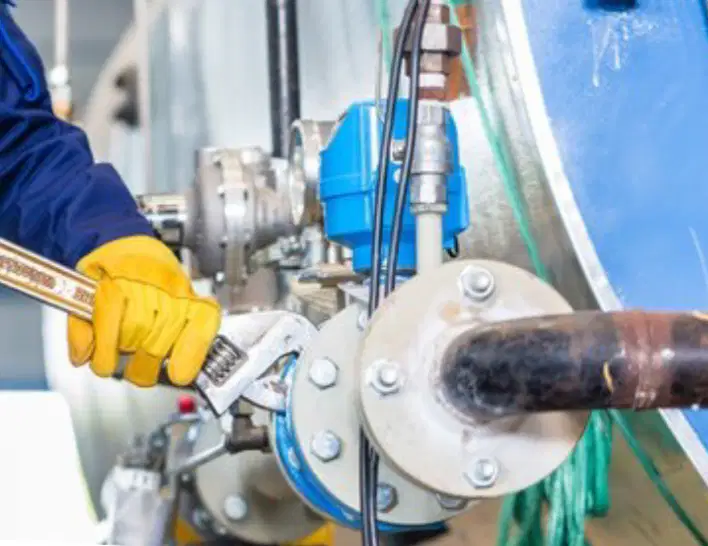
What does 'Plant' refer to in industrial operations? Fill in the blank: Plant refers to large machinery and heavy-duty equipment used in ________.
industrial operations
gardening
household chores
office work
What does 'Equipment' refer to? Fill in the blank: Equipment refers to smaller tools and devices used to perform ________.
Equipment refers to smaller tools and devices used to perform tasks.
Equipment refers to smaller tools and devices used to perform music.
Equipment refers to smaller tools and devices used to perform art.
Equipment refers to smaller tools and devices used to perform cooking.
Which of the following is a key difference between plant and equipment?
A) Plant is portable and used for specific tasks, while equipment is stationary and used for large-scale operations.
B) Plant is typically stationary and used for large-scale operations, while equipment is often portable and used for specific tasks.
C) Both plant and equipment are used for large-scale operations.
What is the primary use of conveyor belts?
To transport materials from one location to another.
To store materials.
To manufacture products.
To package goods.
List one of the maintenance tasks for conveyor belts.
Regular inspection, belt tension adjustment, lubrication of moving parts, or replacement of worn-out belts.
Ignoring minor issues until they become major problems.
Overloading the conveyor belt beyond its capacity.
Using the conveyor belt without any regular checks.
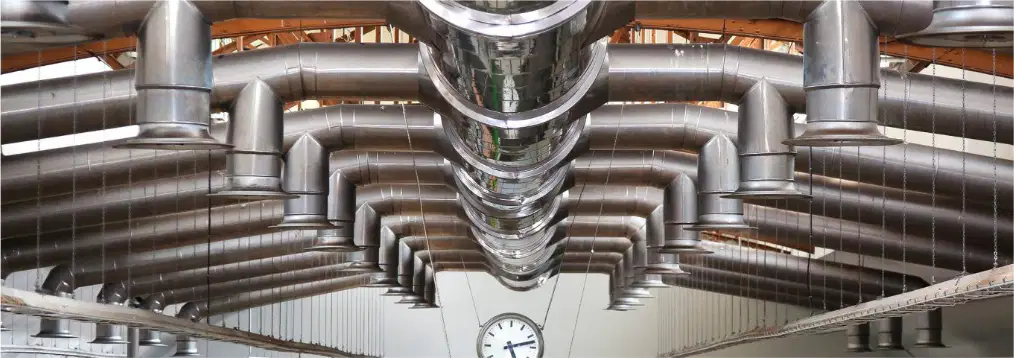
What is the purpose of the ventilation system?
To ensure proper air circulation and maintain air quality.
To increase the temperature.
To reduce noise levels.
List the maintenance tasks for the ventilation system.
Filter replacement, duct cleaning, and fan inspection.
Filter replacement, duct cleaning, and motor replacement.
Filter replacement, duct inspection, and fan inspection.
Filter cleaning, duct cleaning, and fan inspection.
List the maintenance tasks for forklifts.
Battery check, tire inspection, hydraulic system check, and brake inspection.
Oil change, spark plug replacement, air filter cleaning, and coolant top-up.
Engine overhaul, transmission replacement, exhaust system repair, and fuel system cleaning.
Windshield wiper replacement, headlight adjustment, seat upholstery repair, and radio installation.
What is the primary function of backup generators?
Provide emergency power during outages
Supply continuous power
Reduce electricity bills
Increase power efficiency
List the maintenance tasks required for backup generators.
Oil change, fuel system check, battery inspection, and load testing.
Replace air filters, check coolant levels, inspect spark plugs, and test voltage output.
Inspect belts and hoses, clean exhaust system, check alternator, and verify control panel settings.
Check fuel quality, inspect wiring connections, test transfer switch, and ensure proper ventilation.
What are the maintenance tasks for robotic arms?
Painting and cleaning
Calibration, lubrication of joints, and software updates
Cooking and serving
None of the above
What is the primary use of automated spot welders?
To paint metal parts
To join metal parts together
To cut metal parts
To polish metal parts
Regular maintenance of both plant and equipment is crucial because:
it ensures safety and efficiency.
it increases operational costs.
it reduces the lifespan of equipment.
it is a legal requirement only.
What is the primary benefit of predictive maintenance?
It increases operational costs.
It anticipates failures before they occur.
It complicates maintenance schedules.
It reduces the need for skilled labor.

