
NEW
Font size
 Worksheets
Economics / Economic Vocab
Total questions: 45
Worksheet time: 23mins
Which of the following BEST explains why GDP per capita is a better measure of economic well-being than total GDP?
It shows the total value of goods and services produced in a country.
It includes non-economic factors such as life expectancy and literacy.
It divides total GDP by the population, showing average income per person.
It accounts for government spending in each country.
A country has a high literacy rate, high life expectancy, and a high GDP per capita. Based on these indicators, how would this country most likely be classified?
A developing country (medium developed)
A developed country (high development)
A least developed country (low development)
no clear classification
Which of the following sets of indicators would MOST LIKELY describe a developing (medium developed) country?
High GDP per capita, low literacy rate, short life expectancy
Low GDP per capita, low literacy rate, short life expectancy
Medium GDP per capita, increasing literacy rate, improving life expectancy
Country A has a high GDP per capita but a low literacy rate. What might this suggest about the country?
The country is likely a developing nation with a low standard of living.
The country has a weak economy.
The country is highly developed in all areas.
The country has a small population with extreme wealth inequality.
You are researching two countries. Country X has a literacy rate of 99%, while Country Y has a literacy rate of 56%. Based on this difference, which of the following conclusions is MOST supported by the data?
A) Country Y has a strong educational system.
D) Country Y has a higher GDP per capita than Country X.
C) Country X has fewer economic opportunities than Country Y.
B) Country X is more developed than Country Y.
What type of economy has the government make ALL the economic decisions?
command / communist
free market / free enterprise
traditional
mixed
Which type of economy has more consumer (individual) choice?
free market / free enterprise
command / communist
Which type of economy has the government set prices?
free market / free enterprise
command / communist
What type of economy do consumers (individuals) make the economic decisions?
free market / free enterprise
communist / command
What type of economy does supply and demand set the prices?
command / communist
free market / free enterprise
Which type of economy solves for scarcity (not enough of something)?
free market / free enterprise
command / communist
Which type of economy makes decisions based on family traditions and customs?
traditional
command / communist
free market / free enterprise
mixed
"Government control of the economy" describes a ________________ economy.
command / communist
free market / free enterprise
Which economy has the most innovation (new ideas)?
free market / free enterprise
command / communist
In which type of economy does the government make all decisions?
command / communist
free market / free enterprise
Consumers (individuals) and businesses make their own decisions in a _______ economy.
command / communist
free market / free enterprise
government sets safety rules for factories that are owned by businesses
mixed economy
traditional economy
the government DECIDES how much bread to produce (make) or how much to charge for a product
command / communist / control economy
traditional economy
free market / free enterprise economy
mixed economy
Most countries have a ___________ economy with government, businesses and consumers (individuals) making decisions.
mixed
command / communist
mix of government + private ownership
socialism
communism / command
free enterprise / free market
private businesses COMPETE
socialism
free enterprise / free market
cummunism / command
government CONTROLS almost everything in the economy; makes all economic decisons
free enterprise / free market
socialism
command / communist
INDIA's ECONOMY: private businesses (consumers and businesses), government sets/controls some industries like energy and transportation with safety rules
command / communist
MIXED economy (like most countries in the world)
traditional
shortages (not enough) would happen in what economy due to only the government deciding what to produce
mixed
command / communism
free market / free enterprise
In this economic system the government is in charge of all economic decisions. The government sets production goals and decides wages for workers. The government decides the prices for goods and services.
socialism
communism / command
free enterprise / free market
In this economic system people are free to choose how to make and spend their own money. Supply and demand is the basis for this economic system.
free enterprise / free market
traditional
communism / command
In this economic system people pay high taxes. In exchange, the government provides many services to all people equally.
socialism
communism / command
free enterprise / free market
traditional
Goods and services a country SELLS to other countries (exit the country)
imports
exports
Goods and services a country BUYS from other countries (bring inside the country)
imports
exports
The amount that a producer is willing to sell at a given price
supply
demand
The amount that consumers are willing to buy at a given price
demand
supply
Using GDP, GDP per capita (per person), literacy rate, life expectancy are how we _________
measure the development of a country
government
traitional
poor planning
oil, water, farmland
natural resources / land
labor
capital
entrepreneurship
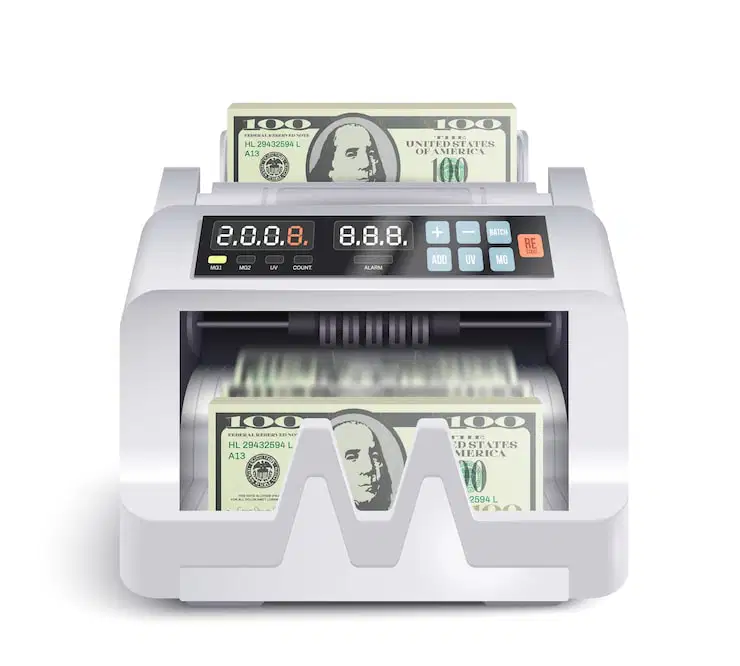
machines, tools, factories, money
capital
natural resources / land
labor

workers, teachers, farmers, truck drivers
capital
natural resources
labor
entrepreneurship

inventors, business owners, innovators (new ideas)
entrepreneurship
capital
labor
natural resources / land

Which example best shows the role (job) of entrepreneurs in a free enterprise / free market system
a government controls all prices
a person starts a new clothing business
a company recieves a trade ban
a school recieves government funding

Natural resources, labor, capital, and entrepreneurship used to produce goods and services.
factors of production
natural resources
inequality
global trade
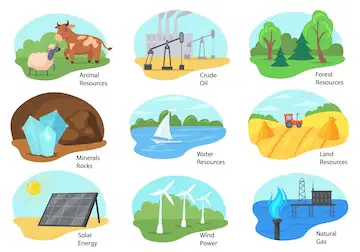
Materials found in nature that are used to produce goods.
capital
labor
entrepreneurship
natural resources

Human effort used to produce goods and services.
natural resources
labor
capital
entrepreneurship

Tools, machines, and buildings used to produce goods and services.
entrepreneurship
labor
capital
natural resources
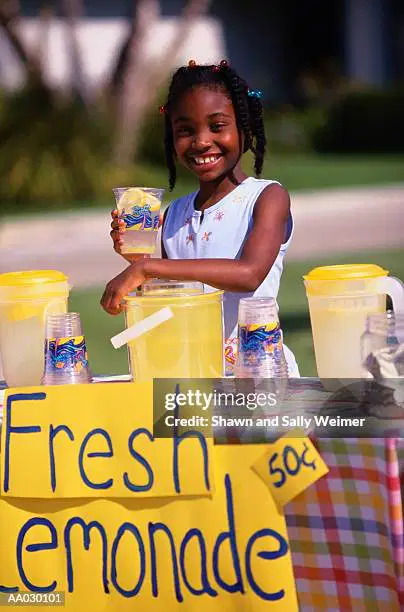
The ability to organize and take risks to start a business.
natural resources
entrepreneurship
inequality
labor
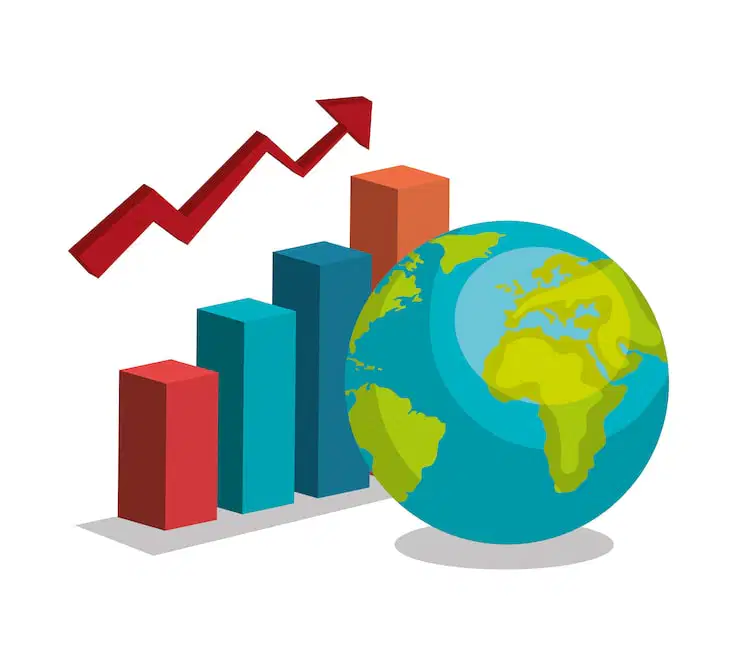
Growth (increases / improvement) in an economy that improves living standards.
Global tradein
Factors of production
Economic development
Capital
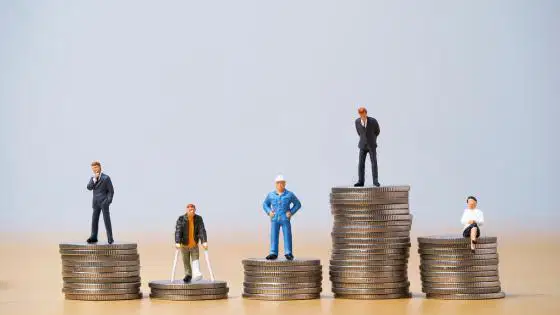
Uneven distribution (spread) of wealth ($) and resources. un = NOT; in = NOT
Inequality
Economic development
Factors of production
Entrepreneurship
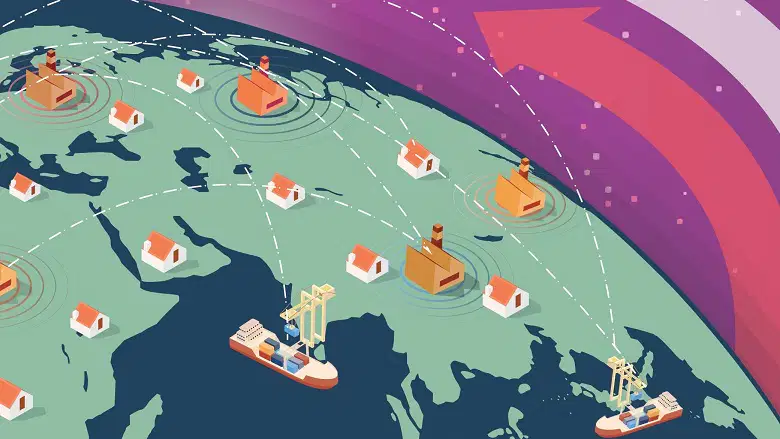
The exchange of goods and services between countries.
Economic development
Capital
Global trade
Factors of production

