
 Worksheets
GRAPES of Medieval China
Total questions: 20
Worksheet time: 37mins

Why did China break into smaller kingdoms?
It followed the history lessons about the fall of Rome.
The emperor's sons all wanted to control their own areas.
The Mandate of Heaven was lost and no new dynasties evolved.
Farmers revolted.

MAP SKILLS: Analyze the map called "Empires of the Silk Road". Notice the locations of Silk Road trade routes. For a hint into our next fascinating chapter, what is the name of the empire in the northeast corner of this map?
Byzantine Empire
Ottoman Empire
Mongol Empire
Chinese Empires
Mughal Empire
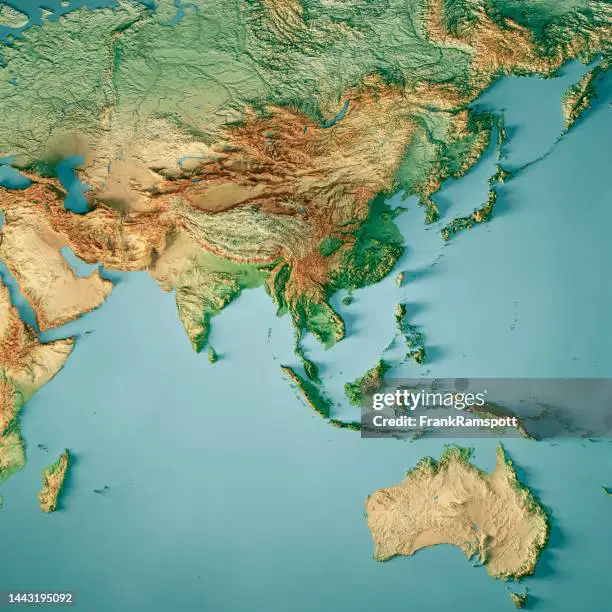
Ancient China was surrounded by desert, mountains, and ocean.
What impact did these natural borders have on the culture?
They helped to integrate the cultures of other world civilizations
They cause China to constantly be at war with other world civilizations
They helped China to establish trade with other civilizations
They isolated the Chinese civilization allowing it to develop independently
These geographical features had no impact

_________________in China was based on birth.
economy
political structure
social class
military

What river served as a border between southern and northern China? HINT: it is also the name of a color.
Gobi River
Yangtze River
Yellow River
Nile River

Wooden blocks, clay, ink, and paper were used in China as part of the process of __________________.
finding Nemo
cooking egg nooldes
making flamethrowers
creating documents
Which phrases correctly finishes the statement? The emperors _____________________.
1. ruled because of a dynasty.
2. could make silk.
3. were called "Fathers of the Sun".
4. owned the land they farmed
could make silk
called "Fathers of the Sun"
ruled because of a dynasty
owned the land they farmed
Based on the social structure of medieval China, which class would most likely write a poem called "The Cherry Blossoms".
kings
emperors
scholars
farmers
merchants

Based on the A and the E of the GRAPES, what can we thank medieval China for?
helping us add docs to Google Drive
eliminating the need to carry around heavy coin bags
a game where an orange ball is dribbled across a court
draw bridges

"Even though Medieval China created numerous inventions, “the west (Europe) looked down upon China as a _____________________ country”.
brilliant
interesting
backward
poor

What major crop was grown in the south along the banks of the Yangtze River?
corn
milet
wheat
barley
rice

Paddlewheel boats, rockets, Roman numbers, paper money, inoculations, and fire extinguishers were ALL inventions from China. Is this statement true or false?
TRUE
FALSE

Which GRAPES would best fit in the blank? Hint: note the underlined words.
China's _____________________ began to grow during the Tang and Song dynasties. Trades, farming and new technologies helped with China's finances and improved their wealth. Roads and waterways were built for trades.
government
volcanoes
economy
military

A new temple needs to be built.
Which class would help fulfill this need?
merchants
farmers
craftsmen
monks

Which one of the following was not a medieval Chinese achievement: wheelbarrow, gunpowder, can opener, or rockets?
wheelbarrow
gunpowder
can opener
rockets

What was Li Yuan known for?
breaking China into several smaller kingdoms
bringing back the Mandate of Heaven
inventing soap
reuniting China

Is the following statement true or false? Markets in medieval China were open 24 hours a day.
TRUE
FALSE

Why were peasants so valued?
They provided food for everyone.
The people felt bad for them.
The worked harder than anyone ever.

These people were named "Sons of Heaven".
kings
princes
emperors
lords

Who are scholars?
people who provide money to others
people who provided clothing to others
people who provided knowledge to others

