
 Worksheets
Earth's Patterns & Movement Review
Total questions: 19
Worksheet time: 10mins
A) The Earth orbits around the Moon. It takes 30 days to complete the orbit, and this makes the tides change each day.
B) The Earth orbits around the Sun. It takes 365 days to complete the orbit, and this causes the seasons each year.
C) The Earth orbits around the Sun. It takes 120 days to complete the orbit, and this causes the length of the day to change.
D) The Earth orbits around the Sun. It takes 500 days to complete the orbit, and this causes the Moon to change shape.
A) "The Moon has more air, which helps the ball travel higher than on Earth."
B) "The Moon has less mass, so its force of gravity is weaker than Earth’s. With less gravity pulling it down, the ball can travel farther."
C) "The Moon has a stronger force of gravity, but the ball is lighter, so it goes higher."
D) "The Moon has a thicker atmosphere, which allows the ball to travel higher than on Earth."
A)The tilt of Earth's axis causes the Earth to rotate more quickly, which changes the seasons.
B) As Earth rotates around the Sun, the tilt of Earth remains the same. This causes the angle of the Sun’s rays to change, leading to different seasons.
C) The tilt of Earth's axis causes the Earth to move closer to the Sun during some parts of the year, making the seasons change.
D) The tilt of Earth's axis makes Earth’s atmosphere thinner, which changes the seasons throughout the year.
A) "The Sun moves around the Earth, causing shadows to change direction and length throughout the day."
B) "Earth rotates on its axis, making the Sun appear to move across the sky. The position of the Sun changes the length and direction of shadows."
C) "The Earth's atmosphere changes the way the Sun's rays reach the surface, causing shadows to shift constantly."
D) "The Moon's gravity pulls on objects on Earth, causing shadows to change their length and direction."
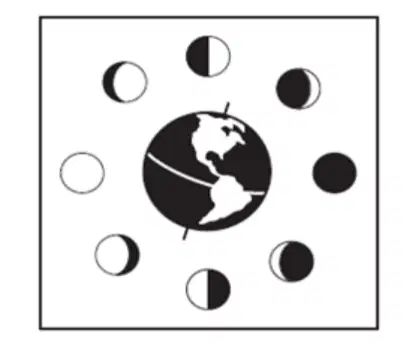
A) "The tilt of Earth's axis causes the Earth to rotate more quickly, which changes the seasons."
B) "As Earth rotates around the Sun, the tilt of Earth remains the same. This causes the angle of the Sun’s rays to change, leading to different seasons."
C) "The tilt of Earth's axis causes the Earth to move closer to the Sun during some parts of the year, making the seasons change."
D) "The tilt of Earth's axis makes Earth’s atmosphere thinner, which changes the seasons throughout the year."
A) "When space rocks enter Earth's atmosphere, they burn up and become meteors. If they survive and land on Earth, they are called meteorites."
B) "Space rocks stay the same in space, but once they reach Earth, they turn into meteors and meteorites."
C) "Meteors and meteorites are two different names for the same thing. They just change names based on how far they travel."
D) "When space rocks enter the atmosphere, they become stars, and if they hit the ground, they turn into planets."
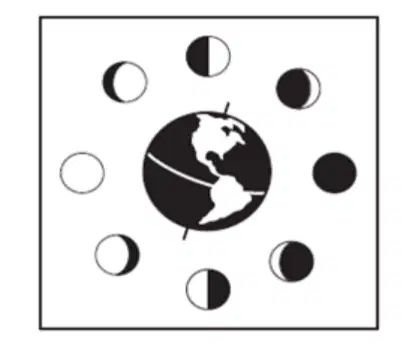
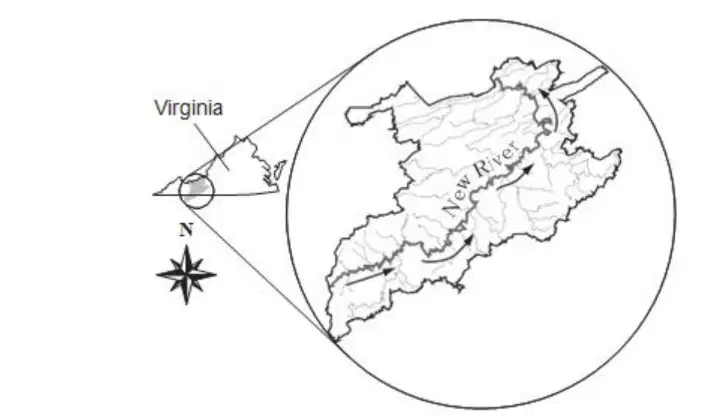
A) Information about the land's climate along the path of the New River could be added to explain the river's direction.
B) Information about the types of plants along the New River could be added to show how they affect the flow of the river.
C) Information about the height of the land [elevation] along the path of the New River could be added. The river flows downhill from higher elevation to lower elevation.
D) Information about the population density in the region could be added to explain why the river flows the way it does.
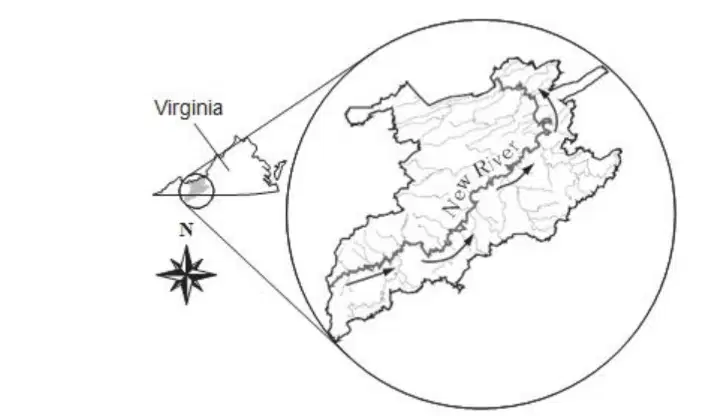
A. Rivers flow downhill because Earth's gravitational force is pulling the water toward Earth's center.
B) Rivers flow downhill because Earth's gravitational force pulls the water toward Earth’s center.
C) Rivers flow downhill due to the wind pushing the water away from Earth’s center.
D) Rivers flow uphill because the Earth’s gravitational force is too weak to pull the water down.

