
Font size
 Worksheets
Unit 5 Review
Total questions: 23
Worksheet time: 18mins
Much of the pollution in the Ganges River comes from (a) poured into the river every day.

Cooking and heating with _______ is a major source of indoor pollution in India and China.
gas stoves
electric microwaves
biomass fuels such as wood or dung
solar ovens

Mudslides, landslides, drought, death, and destruction are all possible negative affects of ______ in Southeast Asia.
hydroelectric power
monsoons and flooding
air pollution
water pollution

What is the name of the landform that borders northern China?
Taklimakan Desert
Yangtze (Chiang Jiang River)
3 Gorges Dam
Gobi Desert
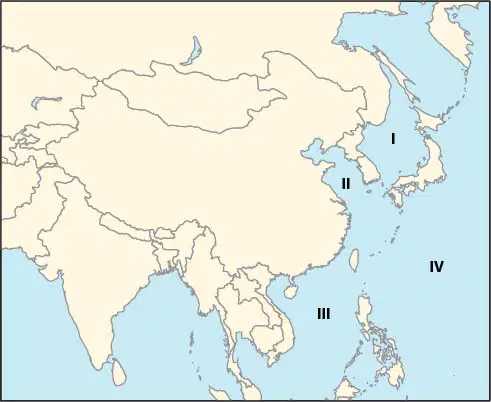
What physical feature represents the Sea Of Japan?
II
IV
I
III

What 3 countries border the Yellow Sea?
India, Russia, and Japan
China, Japan, and South Korea
China, South Korea, and North Korea
Japan, Mongolia, and North Korea
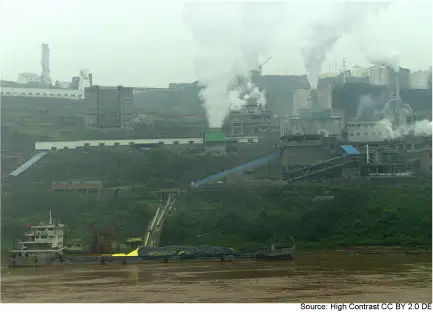
Based on the image, what is the main cause of pollution on the Chiang Jiang (Yangtze River)?
commercial fishing
industrial runoff
coal powered plants
acid rain
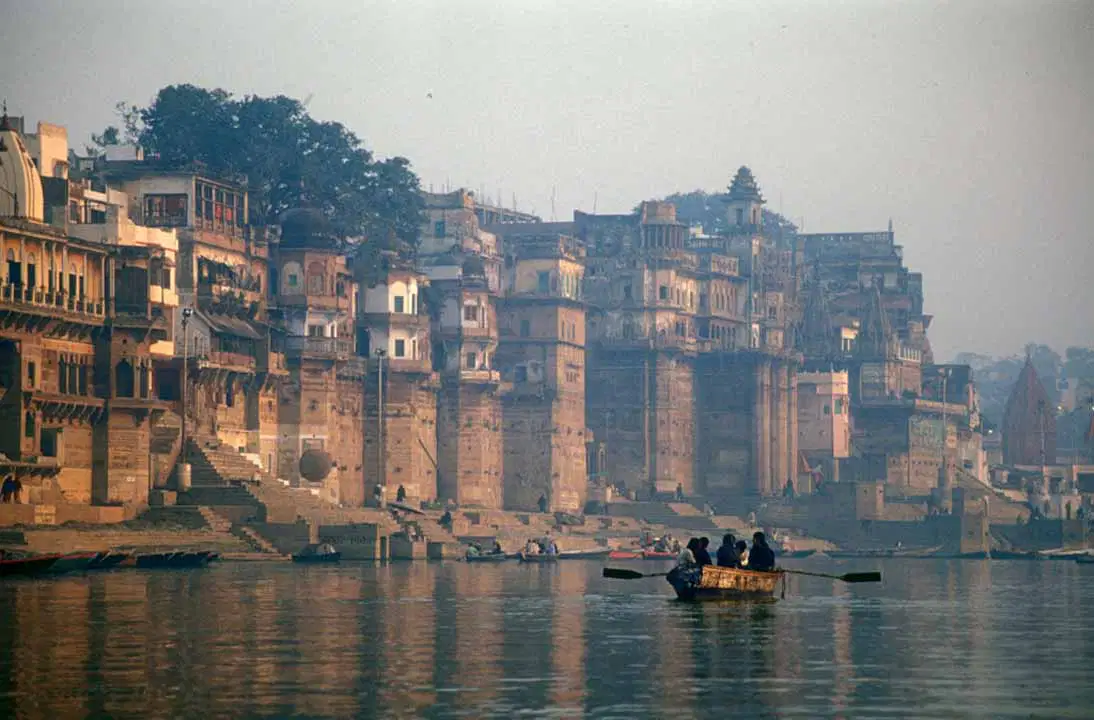
What's the biggest cause of water pollution in India?
pollution from China
agricultural waste
Industrial byproducts like runoff
human waste

What is the main cause of air pollution in India and China?
Burning of fossil fuels
nuclear power plants
deforestation
biomass fuels

What explains the reason why more people live in the darker orange areas on the map of China?
The Gobi and Taklimakan deserts are in western China and the Himalayan mountains are in eastern China
The Chiang Jiang river is located in western China and the Huang He river valley is in eastern China
The Taklimakan desert is hot and is in western China while the Huang He and Yangtze Rivers are in eastern China
The Gobi Desert is located in western China and the Taklimakan desert is in eastern China

Which statement about ethnic groups and religious groups is correct?
People who share an ethnicity always share the same religion
A person's religion is determined by their ethnicity
People who share an ethnicity never follow the same religion
A person's religion doesn't determine their ethnicity

Which religion teaches its followers to follow the Eightfold path?
Buddhism
Hinduism
Shinto
Judaism
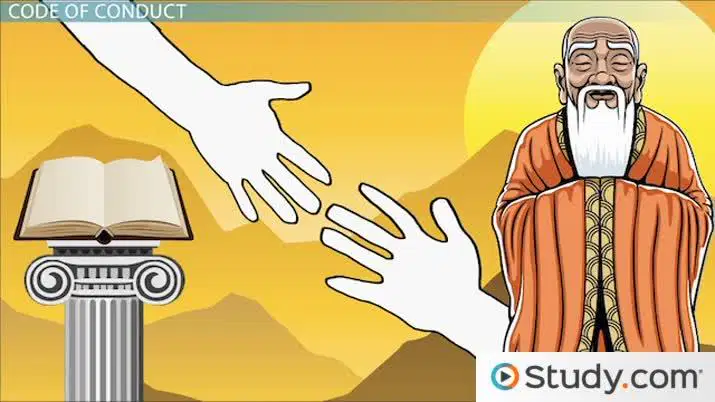
Read the passage from Confucius: When a leader's personal behavior is correct, his government is effective without issuing orders to citizens. If their personal behavior is incorrect, he may issue orders, but they will NOT be followed. Based on Confucianism on page 156.
Government leaders encourage individuality and self-expression in their citizens.
Government leaders are expected to follow high standards of behavior
Government leaders control their citizens with a heavy hand and strict laws
Government leaders are supposed to support differences of opinion and debate

The main religion in India is_______
Christianity
Buddhism
Hinduism
Islam
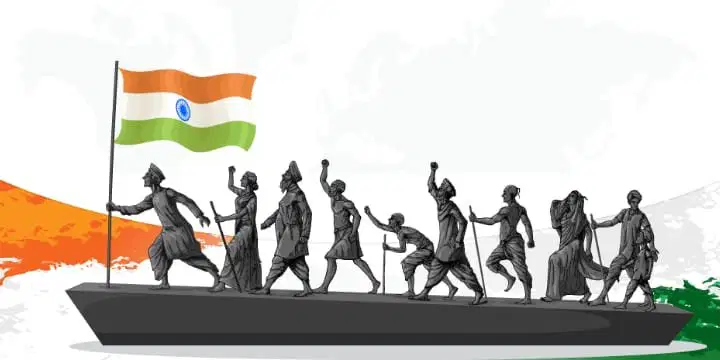
What was the reason a feeling of nationalism began to spread in India in the 1800s-1900s?
Indians wanted to go to war with Pakistan
Indians wanted to be the best artists in the world
Indians felt like second-class citizens in their own country and were tired of being part of the British empire
Indians were tired of being part of the French empire and being made to speak French

Who was India's main independence leader?
Narendra Modi
Indira Gandhi
Shah Rukh Khan
Mohandas Gandhi
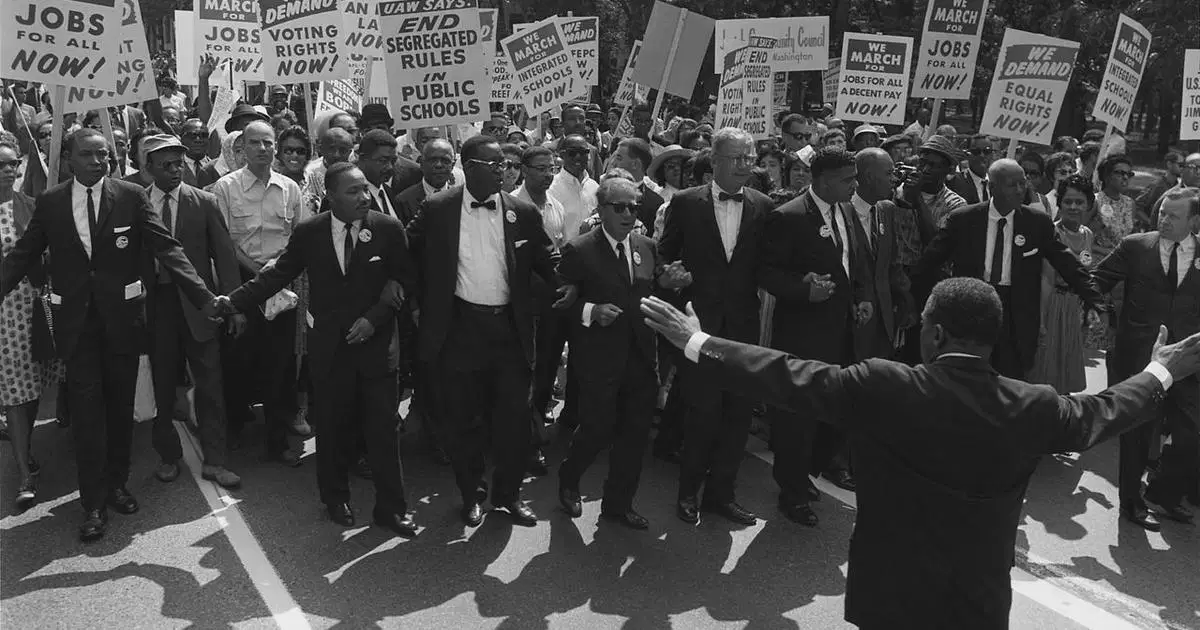
What is the style of protest against a stronger power that doesn't involve physical fighting or killing?
guerilla warfare
civil-disobedience
civil-unrest
mutiny

Which is one post-World War II reform that took place in Japan under the U.S.'s guidance? (page 124)
Japan began new alliances with China and Korea.
Japan rebuilt it's military and weapon production.
Japan focused on building up its agricultural production.
Japan adopted a new constitution and democratic government.

In the spring of 1989, thousands of protesters gathered in Tiananmen Square in Beijing, China. They rallied around a plaster statue that resembled the Statue of Liberty which they called “the Goddess of Democracy.” These protestors were seeking (page 127)
United States assistance in gaining better health care.
economic reforms which would allow more Chinese exports.
the boycott of the future Olympic games scheduled for Beijing.
political reforms to allow more freedom of speech and political representation.

Which statement best compares North and South Korean governments after the Korean War? (page 129)
North Korea is communist, and South Korea is democratic.
North Korea is a monarchy, and South Korea is communist.
North Korea is communist, and South Korea is a monarchy.
North Korea is democratic, and South Korea is a monarchy.
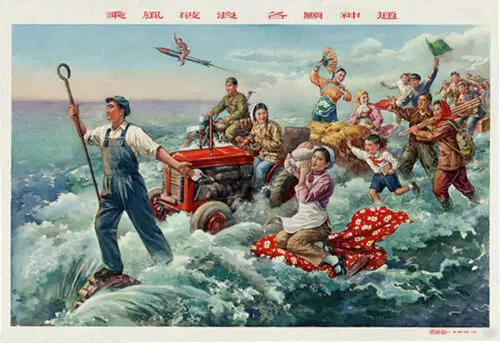
This was a plan to modernize China and reshape its agricultural system to benefit the citizens of China, but it failed due to poor planning, famine, and drought.
Tiananmen Square
Great Leap Forward
Civil War
Apartheid
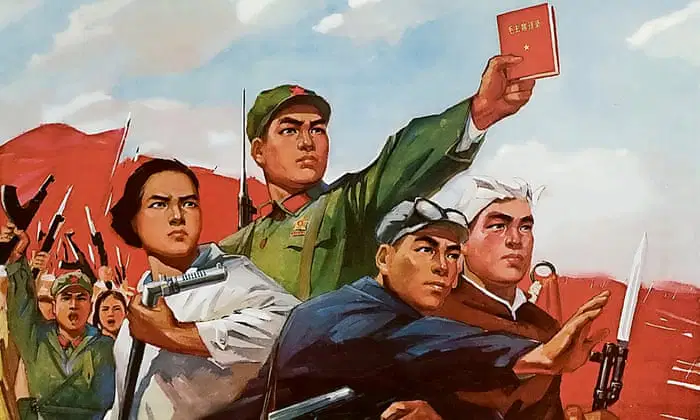
Mao Zedong's system of arresting and or killing any anti-communist and counter-revolutionary opponents of his communist ideas and rules
Tiananmen Square
Great Leap Forward
Cultural Revolution
Amristar

This was president Eisenhower's idea that if one country fell to communism, others around it would also fall and become communist (page 129)
Cultural Revolution
Communist Takeover
Red Guards
Domino
Theory

