
 Worksheets
Budgeting Review
Total questions: 28
Worksheet time: 24mins
If an expense can NOT be removed from your budget to save money, it is considered a _____.
Income
Want
Need
Savings
Which one is a fixed (same amount, same time) payment?
food
power
mortgage
petrol
Fixed or variable expense: Groceries
Fixed
Variable
What is a budget?
A calendar used to plan out your activities for the month
A plan for spending and saving your money
A plan to manage your time for the day
A type of savings account
What is gross pay?
The money that you earn before taking out deductions
The money that you earn after taking out deductions
What is net pay?
The money that you earn before taking out deductions
The money that you earn after taking out deductions
Brandon receives his paycheck, and it says his gross pay is $250 and his net pay is $200. How much money did he have in deductions this pay period?
$50.00
$200.00
$250.00
$450.00
Why should you use your NET pay when creating a budget?
Your net pay will always be higher, so you'll have more money to spend
Your net pay is a more accurate picture of how much money you have available to spend or save
Your employer knows what your gross pay is, but you only know what your net pay is
Once you have your net pay, you can figure out how much to deduct in taxes, and then you can do your budget
Who has to pay taxes to the US government?
Every citizen, regardless of their age or working status
Every person or company that earns income in the US
Anyone who owns a home or attends a public school
No one has to - taxes are a voluntary program
Kylie plans on using the 50/30/20 rule for budgeting. How will she split her budget?
50% needs, 30% wants, 20% savings
50% budget, 30% needs, 20% wants
50% saving, 30% needs, 20% wants
$50 needs, $30 wants, $20 savings

Jenna wants to decrease the amount of $ she spends on food. Which of the following would help?
Decide what she will make for dinner that same day
Go to the grocery store with a list
Go to the store whenever she needs 1-2 items
Eat at fast food restaurants multiple times a week
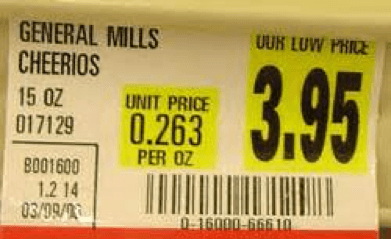
Which of the following is TRUE about unit pricing?
Unit prices can help you compare the prices of similar items
Unit price labels are universal throughout the country
It's easy to compare quantities on a unit price label
All states require unit price labels

A 18oz box of cereal costs $4.99. How would you calculate the unit price?
18oz / $4.99
9 oz / $2.50
$4.99 / 18oz
(18oz) x ($4.99)

In "pay yourself first" budgeting, what's typically the first action after getting paid?
Pay your rent or mortgage
Buy groceries for the week
Transfer money to your savings account
Pay off credit card balances
Deductions
Hard or electronic copy of earnings
Anything that you might incur an expense for
All expenses deducted from gross pay that results in net pay.
Federal or state tax paid after net pay is received
Taxes vary from state to state and city to city. To make it easier to factor an estimated required annual salary, figure an average of _____% is withheld from your paycheck.
10
15
20
25
You want to be spending ____ than what you are making.
more
less

