
NEW
Font size
 Worksheets
Human Impacts on the Environment GA Biology
Total questions: 17
Worksheet time: 15mins
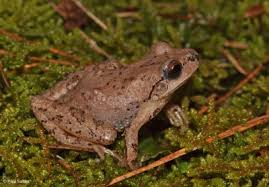
What do invasive species do to the biodiversity of their ecosystem?
They increase biodiversity by adding to the population
They decrease biodiversity because they deprive other organisms, which will cause them to die out
They increase biodiversity by taking away niches of other organisms
They decrease biodiversity by adding new niches to the ecosystem
Which would be the best solution for controlling the spread of an invasive species in an ecosystem?
Allowing the invasive species to spread naturally so it becomes part of the ecosystem over time.
Providing additional food and shelter for native species to help them compete with the invasive species
Removing all plants and animals from the ecosystem to prevent the invasive species from spreading further.
Introducing a random predator from another ecosystem to reduce the invasive species' population, without researching its effects on native species.
The introduction of chemical, physical, or biological agents into the water.
water pollution
thermal pollution
biomagnification
artificial eutrophication
How can eutrophication be harmful to an aquatic system?
It is not harmful, more nutrients are good for an aquatic system
It is harmful because more nutrients cause plants to die
It is not harmful, nutrients allow more plants to grow, creating more food for fish
It is harmful because more nutrients cause more plants to grow, depleting the amount of dissolved oxygen in the water
What is one simple and effective way to prevent or remove eutrophic lakes?
Add more fertilizers to your lawn
Reduce the amount of fertilizer you put on your lawn
Remove plan buffer zones
None of the above


Fossil fuels are a _______________________.
renewable resource
unknown resource
nonrenewable resource
new resource

Fossil fuel burning releases large amounts of _______________.
oxygen
carbon dioxide
nitrogen
carbon monoxide
What is one DISADVANTAGE of using fossil fuels?
Fossil fuels will never run out.
Fossil fuels are very efficient forms of energy and are readily available, making them cheaper.
Burning fossil fuels contributes to the greenhouse effect which causes global warming.
Fossil fuels are better for the environment.
Which is a cause of acid rain?
coal burning factories
solar power sources
farms and forests
wind turbines blowing poison gases
Which would be a good solution for the acid rain problem even though it might be challenging?
increasing the use of hydroelectricity, wind and solar power
opening newer coal burning plants
getting other countries to reduce burning fossil fuels
passing laws to reduce emissions
One effect of the acid rain problem in Germany is
cleaned and restored statues and buildings
more automobile manufacturing factories have been built
weakened and diseased trees and plants
cleaner fossil fuels and water sources
Which process is primarily responsible for removing carbon dioxide from the atmosphere?
Combustion
Photosynthesis
Respiration
Decomposition
Describe a model that illustrates the role of photosynthesis and cellular respiration in the cycling of carbon among the biosphere, atmosphere, hydrosphere, and geosphere.
Photosynthesis in plants absorbs carbon dioxide from the atmosphere, and cellular respiration in animals releases it back.
Photosynthesis in plants releases carbon dioxide, and cellular respiration in animals absorbs it.
Photosynthesis in plants absorbs oxygen, and cellular respiration in animals releases it.
Photosynthesis in plants and cellular respiration in animals both absorb carbon dioxide.

