
Font size
 Worksheets
March 7 Weekly Social Studies Quiz
Total questions: 13
Worksheet time: 8mins

What was so special about the new steel-making process in the 1880s? (Page 208)
The steel was lighter than before.
The steel was easier to make.
It became easier to construct buildings and bridges
It became possible to construct taller buildings.
The steel became much more expensive and harder to manufacture.
What important event happened in 1914? (Page 208)

World War I started.

The Civil War ended.

Steel was invented.

What was so special about the Ford Motor Company's assembly line? (Page 209)
Many automobiles could be assembled (put together) in a short time.
The speed of automobiles increased a huge amount.
Ford factories moved to almost every big city in America.

In many car factories, working conditions were not always safe and pay was often low. Workers often faced problems.
What did groups of workers form to protect themselves? (Page 209)
(a)
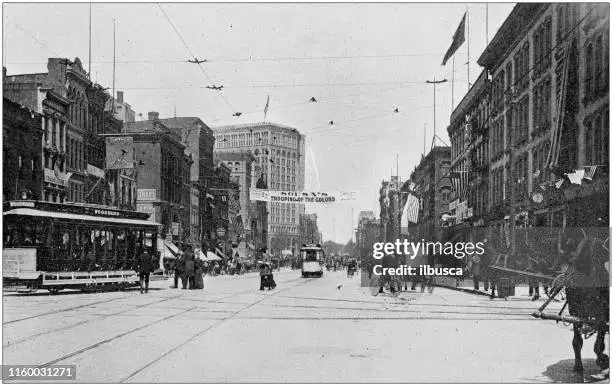
What's another name for Detroit? (Page 209)
"The Motor City"
"The City of Love"
"Car Town"

Why did many African Americans move from the South to the Midwest beginning in 1916? (Page 210)
Factories needed workers to make supplies for America's army in World War I.
The African Americans were forced to leave the South. They didn't have any choice.
There were many colleges in the Midwest, and they all wanted to get an education.

What do historians call the movement of millions of African Americans out of the South in the early 1900's? (Page 210)
The Great Migration
The Great Transition
The Great Movement
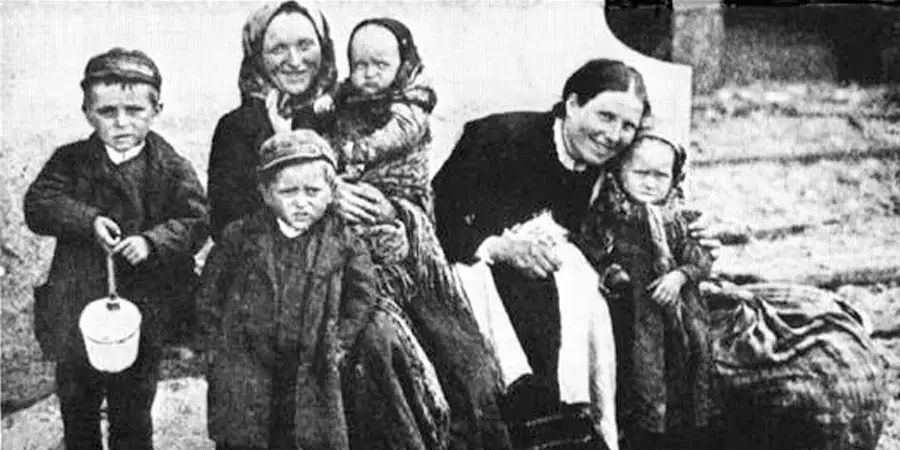
What were some challenges that immigrants in the Midwest faced when they settled in the United States? (Page 212)
They faced discrimination.
They worked difficult or dangerous jobs for low pay.
They had trouble learning English.
They weren't allowed to live in cities but instead had to live in rural areas.

What types of jobs did Immigrants often work in Midwest cities such as Chicago, Cleveland, Detroit, and Milwaukee? (Page 212)
work in steel factories
work in auto factories
building railroads, canals, and bridges
working for newspaper publishers
working as bus drivers and subway operators
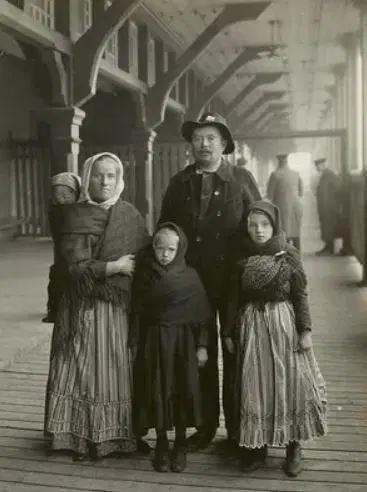
Where did many German immigrants move to in America? (Page 213)
Milwaukee, Wisconsin
Cleveland, Ohio
Portland, Oregon

What are some other groups of immigrants to the Midwest the book mentions? (Page 213)
People from Norway and Sweden
People from Vienam
People from Central and South America
People from Africa
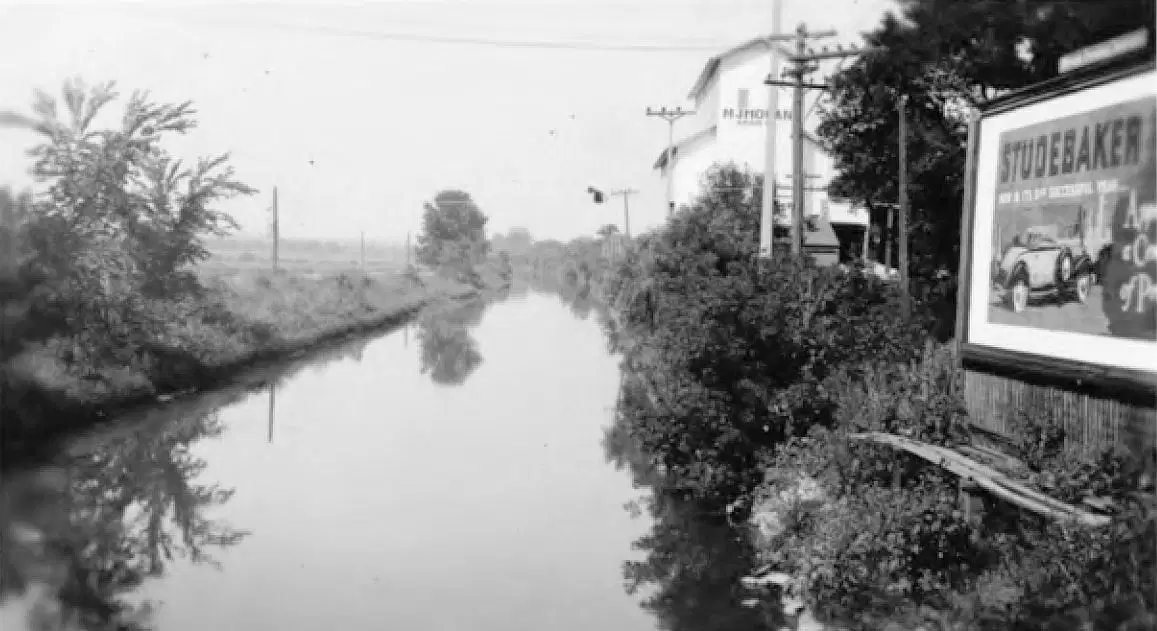
Because people needed faster, more direct ways to ship goods, what did they build to connect major waterways in the Midwest?
(Page 206)
canals
rivers
auto highways
airports

What caused people to move to cities on the Great Lakes in the 1800s? (Page 206)
Trade along waterways increased, and cities connecting rivers grew quickly. There were many jobs available.
There were many fires that caused people to leave their homes outside the cities.
There were no jobs available in other parts of the country.

