
 Worksheets
60s & Vietnam War Make-Up Test
Total questions: 25
Worksheet time: 1hrs 7mins
Master Sergeant Roy Benavidez saved the lives of fellow soldiers while under heavy enemy attack and after sustaining wounds while assisting on a team extraction in Vietnam on May 2, 1968. In recognition of the actions described, Master Sergeant Roy Benavidez was —
given an early honorable discharge from U.S. military service
awarded the Congressional Medal of Honor
made an honorary member of the United Nations
awarded the Legion of Honor ribbon

Which idea reflected in these remarks formed the basis for U.S. involvement in Vietnam?
Nuclear deterrence
Flexible response
Domino theory
Iron Curtain
New weapons like (a) , a sticky gasoline-based jelly that burns, inflicted harm on the Vietnamese, while herbicides like (b) destroyed the jungle cover used by the Vietcong to hide.

Which article would most likely quote this excerpt?
“Embedding Journalists in Combat during the Korean War”
“The Role of the Office of War Information during World War II”
“Improvements in Media Production during the Persian Gulf War”
“The Role of the Media during the Vietnam War”

Civil Rights Services
Privatization of Medicine
Medicare and Medicaid
Equal Insurance Policy (EIP)


How did JFK respond to the news that the Soviets had placed nuclear weapon installations in Cuba?
Asking the United Nations to approve economic sanctions for Cuba
Blockading ships from entering or exiting Cuba
Closing the US border
Asking Congress to declare war on Cuba
Sputnik
First satellite launched into orbit
Bay of Pigs
Failed invasion of Cuba to overthrow Castro
Domino Theory
If one country falls to communism, all the border nations may fall
Naval Blockade
A quarantine placed around Cuba October 1962
Cuban Missile Crisis
The closest the US has come to nuclear war..so far
On January 22, 1964, the Joint Chiefs of Staff sent Secretary of Defense McNamara a memorandum that included the following recommendations:
o Assign responsibilities for the total US program in Vietnam to the US military commander
o Commit additional US forces, as necessary, in support of the combat action within South Vietnam
o Commit US forces, as necessary, in direct actions against North Vietnam
What happened as a direct result of these recommendations?
North Vietnamese leaders appealed for a ceasefire.
US military involvement in Vietnam escalated.
South Vietnamese leaders rejected military assistance
Soviet ground troops were deployed to Vietnam.
What was the main goal of the Peace Corps established by Kennedy?
To send volunteers to space
To send volunteers to countries that needed help
To fight communism
To promote U.S. tourism
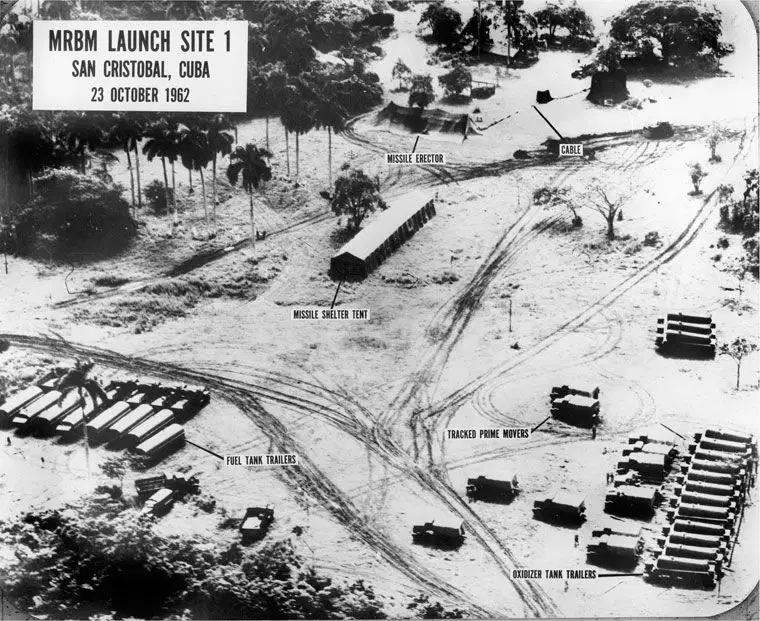
During the Cuban Missile Crisis, U.S. President (a) and Soviet leader (b) almost took the world into a nuclear war.
Johnson
Nixon
Gorbachev
Stalin
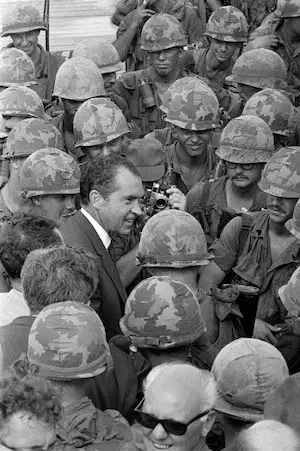
President Richard Nixon created a strategy to get out of Vietnam with honor(Peace with Honor).
His new policy of “_____________”, called for the gradual withdrawal of us troops while having the South Vietnamese military take over the fighting in the war.
Marshall Plan
Vietnamization
Korean War
Cuban Missile Crisis
Determine which description matches the legislation passed under the Johnson administration. Select the correct answer in each row.
What do the War Powers Act and Gulf of Tonkin Resolution have in common?
the increased the power of the President to conduct military operations
they are about the relationship between the powers of the executive and legislative branches
impact the judicial process
increased the power of Congress

Why was the Berlin Wall built?
To stop Western spies from entering East Berlin
To prevent the spread of communism into West Berlin
To stop the flow of refugees from East to West Berlin
To mark the official border between East and West Germany

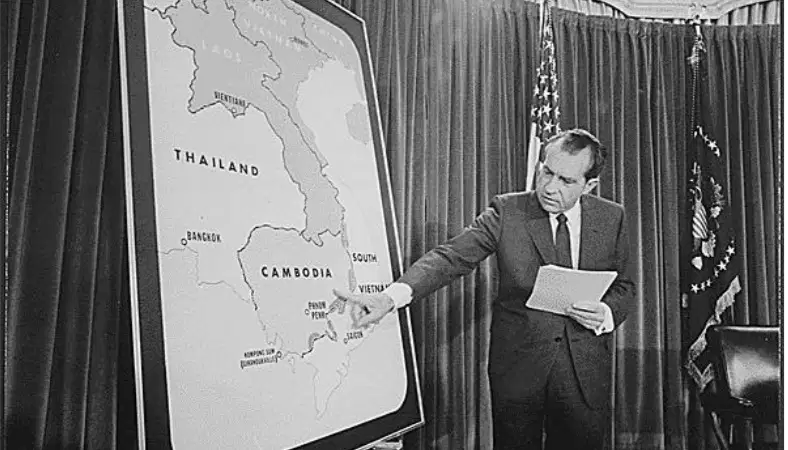
What was the main reason Nixon felt compelled to defend the bombings of Cambodia?
Americans felt that bombing in general was inhumane and should not be used against enemy forces
Television had very little impact on the war up to that point and he wanted to capitalize on the emerging media
Many felt the bombings of Cambodia were contradictory to his promises to lessen American involvement in Vietnam
He was worried about Cuba invading American in retaliation to the bombings in Cambodia.
Select three statements that accurately reflect the goals of John F. Kennedy's New Frontier.
Kennedy's administration promised to invest heavily in increasing educational opportunities and outcomes for Americans
The New Frontier promised to maintain segregation and fight against the civil rights gains that occurred in the 50s.
The Peace Corps would help promote American ideals, general good will, and create allies across the world.
The Kennedy Administration increased spending in Space programs and vowed to put a man on the moon.
The New Frontier was designed to drastically reduce the amount of power held by the Federal Government
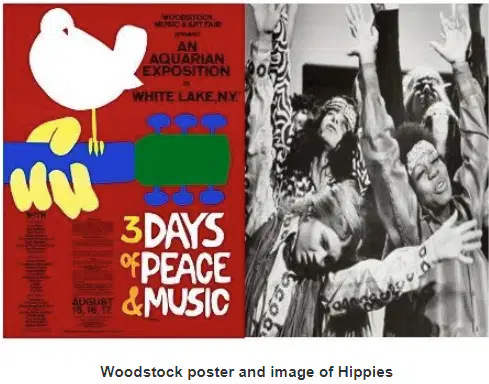
What does the emergence of events and groups like those pictured above illustrate about the 60s?
Concerts, like Woodstock, celebrated the decade's time of peace that witnessed little or no domestic conflicts or challenges.
Growing counter cultures, like the hippies, spoke to the generation gap that existed between the younger and older generations
The materialism, consumerism, and prosperity of the 50s continued in the 60s and were expressed in music and clothing styles.
Like the Hippies, all Americans rejected the materialism of the 50s and started making their own clothes based on indigenous styles
What did the Gulf of Tonkin Resolution allow the President of the United States to do?
investigate members of congress who were disloyal to the President.
commit espionage and gather intelligence on American citizens.
take military action against any country without a formal declaration of war from congress.
annex most of South Vietnam as an American territory.

