
Font size
 Worksheets
Ecosystems Unit Review
Total questions: 25
Worksheet time: 1hrs 2mins

Where does the food chain START?
with consumers that eat grass
with the sun giving energy to producers
with the sun giving energy to consumers
with consumers eating other consumers
Which of the following are factors that could cause extinction?
Destruction of animals' habitat
Climate change
Pollution
Increased human population (more people)
ALL of the above could cause extinction
Breaks down and feeds on the remains of other organisms
decomposer
consumer
producer
Which is not an element of biodiversity?
Ecosystem diversity
Species diversity
Genetic diversity
Habitat diversity
An oak tree is a/an...
Producer
Primary Consumer
Secondary Consumer
Decomposer
Humans depend on the ocean for all of the following except?
Food
Transportation
Trash Storage
Jobs
Is the following an example of a positive or negative impact on the earth's ocean systems?
Artificial reefs placed on the seafloor enhance marine life by creating new reef habitats.
Positive Human Impact on Ocean Systems
Negative Human Impacts on Ocean Systems
Is the following an example of a positive or negative impact on the earth's ocean systems?
Fishing licenses regulate the number of fish and the size of fish that can be caught.
Positive Human Impact on Ocean Systems
Negative Human Impacts on Ocean Systems
Is the following an example of a positive or negative impact on the earth's ocean systems?
Recycling trash helps prevent plastic and other unwanted trash from entering our ocean systems.
Positive Human Impact on Ocean Systems
Negative Human Impacts on Ocean Systems
Which of the following is NOT a way to help our oceans?
Using reusable bags when grocery shopping
Conserving water
Riding a bike instead of driving a car
Littering

A rock
Biotic (living)
Abiotic (non-living)

Zebra
Biotic (living)
Abiotic (non-living)

Lion
Abiotic (non-living)
Biotic (living)
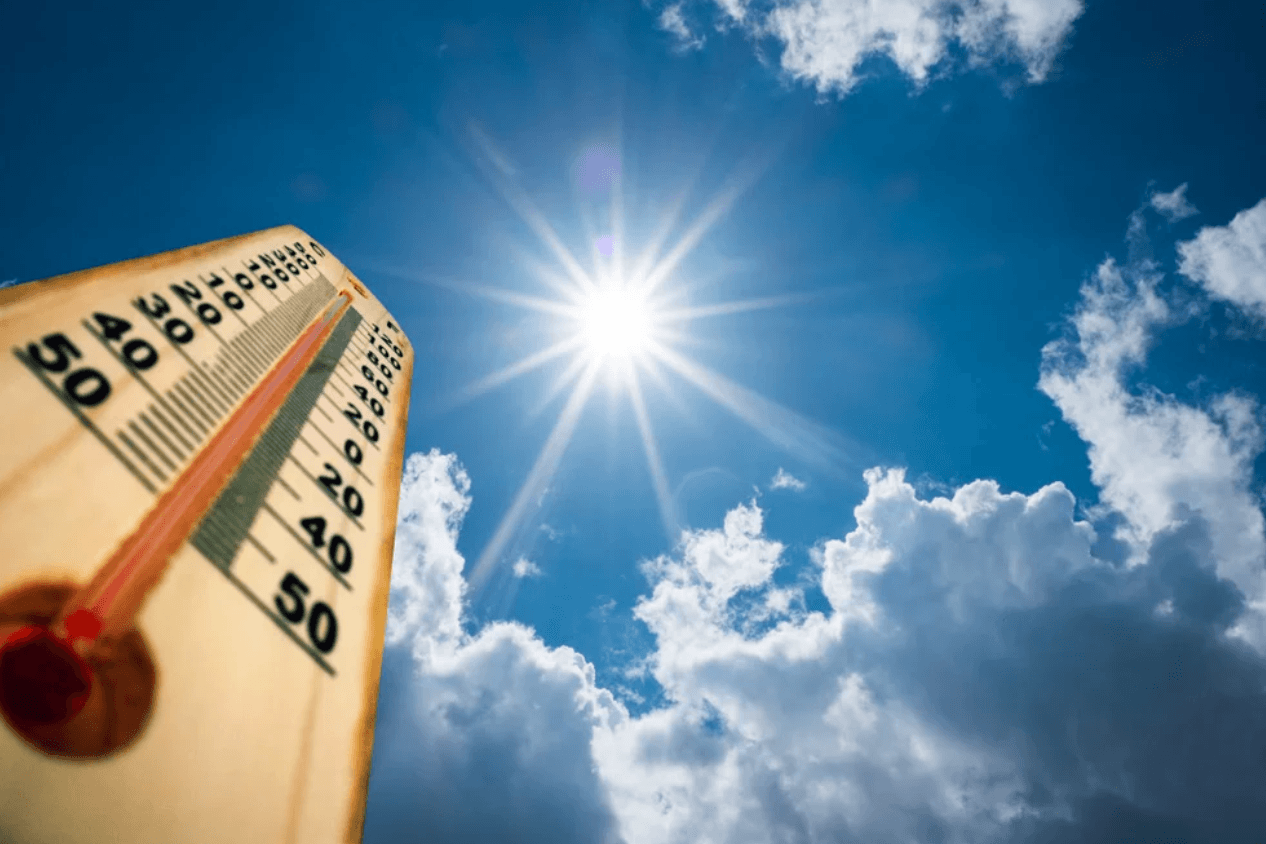
Temperature
Biotic (living)
Abiotic (non-Living)
Biotic
Something that needs energy (eats), grows and reproduces
Something that DOES NOT need energy (eats), grows and reproduces
All the living and non-living things in an ecosystem
An organism's home
Abiotic
Something that needs energy (eats), grows and reproduces
Something that DOES NOT need energy (eats), grows and reproduces
All the living and non-living things in an ecosystem
An organism's home
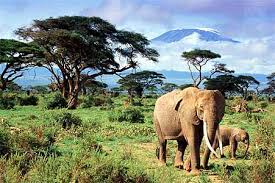

Click on ALL biotic factors in the picture. (Click on more than one.)
fish
pond
dragonfly
frog
sun

