
 Worksheets
Cell Cycle and Differentiation
Total questions: 15
Worksheet time: 8mins
Protein

Large molecules made up of one or more long chains of amino acids
Part of all living organisms, making up muscles, enzymes, antibodies, and many other parts!
Amino acid chains
Carbohydrates
Fats
Vitamins
Differentiation

The process by which a cell becomes specialized (gets a specific job) in order to perform a specific function.
The process of finding the derivative of a function
A method for solving algebraic equations
A technique for integrating functions
A way to simplify complex numbers
Mitosis

A type of cell division that results in:
two daughter cells that each have the same number and kind of chromosomes as the parent nucleus, typical of ordinary tissue growth and repair.
A process of cell division that results in two identical daughter cells.
A type of cellular respiration.
A method of protein synthesis.
A phase of meiosis.
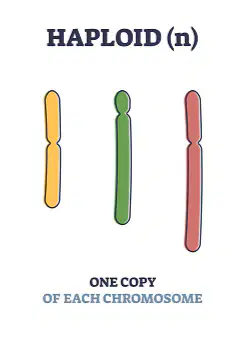
Haploid
Half of the double set of chromosomes (23 in humans)
A full set of chromosomes (46 in humans)
The total number of chromosomes in a somatic cell
A type of cell division that produces two identical cells
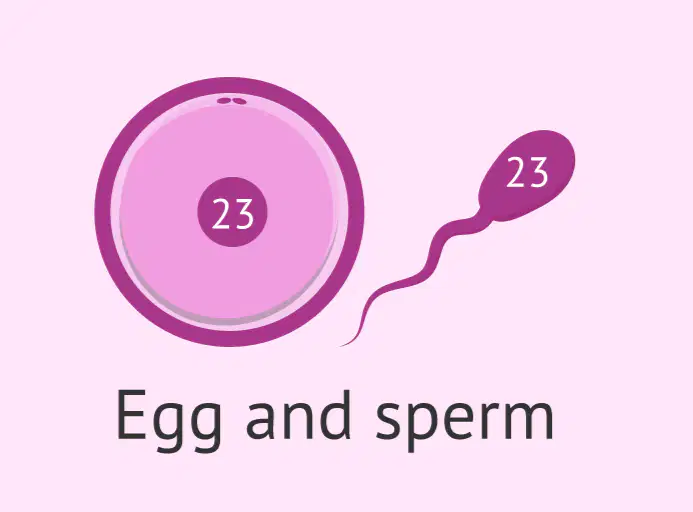
Gamete
The name we give to sex cells (sperm and egg cells)
A type of plant cell involved in photosynthesis
A term for any type of cell in the human body
A type of bacteria that reproduces asexually
Meiosis

A type of cell division that results in four daughter cells, each with half the number of chromosomes of the parent cell, as in the production of gametes (sex cells - sperm and egg cells)
A type of cell division that results in four daughter cells each with half the number of chromosomes of the parent cell.
A process that occurs only in prokaryotic organisms.
A method of asexual reproduction in plants.
A stage of the cell cycle where DNA is replicated.

Diploid
Full set of chromosomes (23 from mom and 23 from dad = 46)
Half set of chromosomes (23 total)
A single set of chromosomes (23 from either parent)
A genetic condition with an abnormal number of chromosomes
Gene Expression

The process whereby gene information helps create a protein
The process by which information from a gene is used to synthesize a functional gene product, typically a protein.
A method of DNA replication.
The process of cell division in eukaryotic cells.
The mechanism of RNA degradation.
Regulate

To control a process so that it operates properly.
To control or maintain the rate of a process
To ignore or overlook something
To create or invent something new
To destroy or eliminate completely
Protein Function

The protein shape will determine the function.
The functions performed by proteins include catalyzing metabolic reactions, DNA replication, and transporting molecules.
Catalyzing biochemical reactions
Storing genetic information
Providing structural support to cells
Transporting oxygen in the blood
Gene
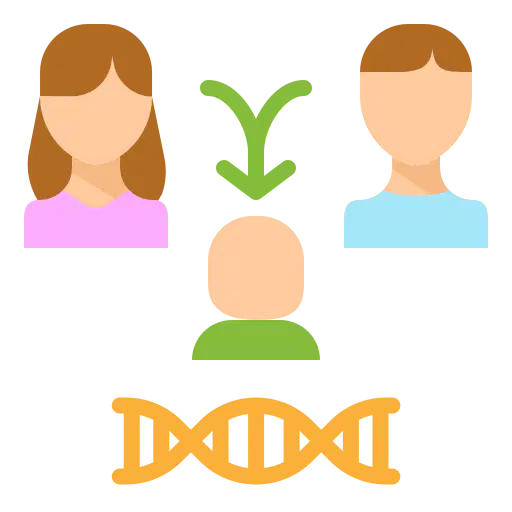
Information that is transferred from a parent to offspring. Section of DNA that codes for a protein.
A unit of heredity in a living organism
A type of protein
A cellular organelle
A type of carbohydrate
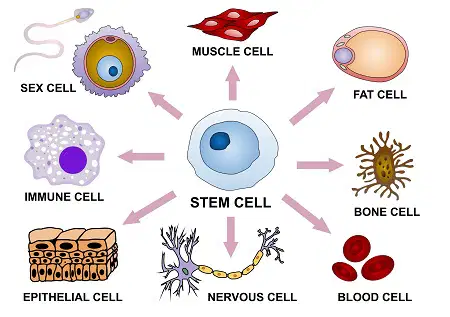
Specialized cell
A cell that is well suited to do its job
A cell that can perform multiple functions
A cell that is identical to all other cells
A cell that is only found in plants
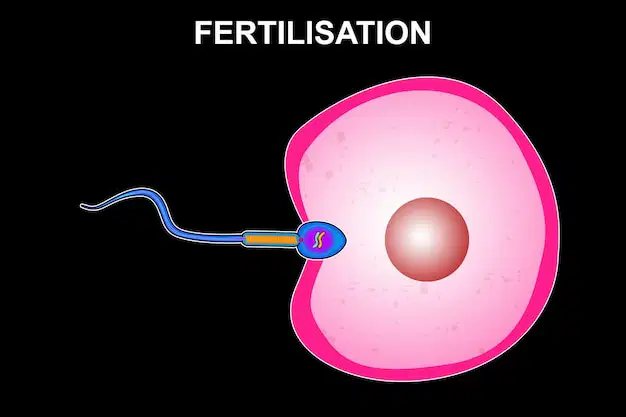
Fertilization
The process of cell division in plants
The fusing (joining) of the egg and sperm cell to create what will eventually be an embryo and then a baby
The development of a zygote into a fetus
The implantation of an embryo in the uterus
Chromosome

An organized form of DNA
Structure that carries genetic information
Type of protein in the cell
Cell organelle responsible for energy production
Fluid that fills the cell
Allele
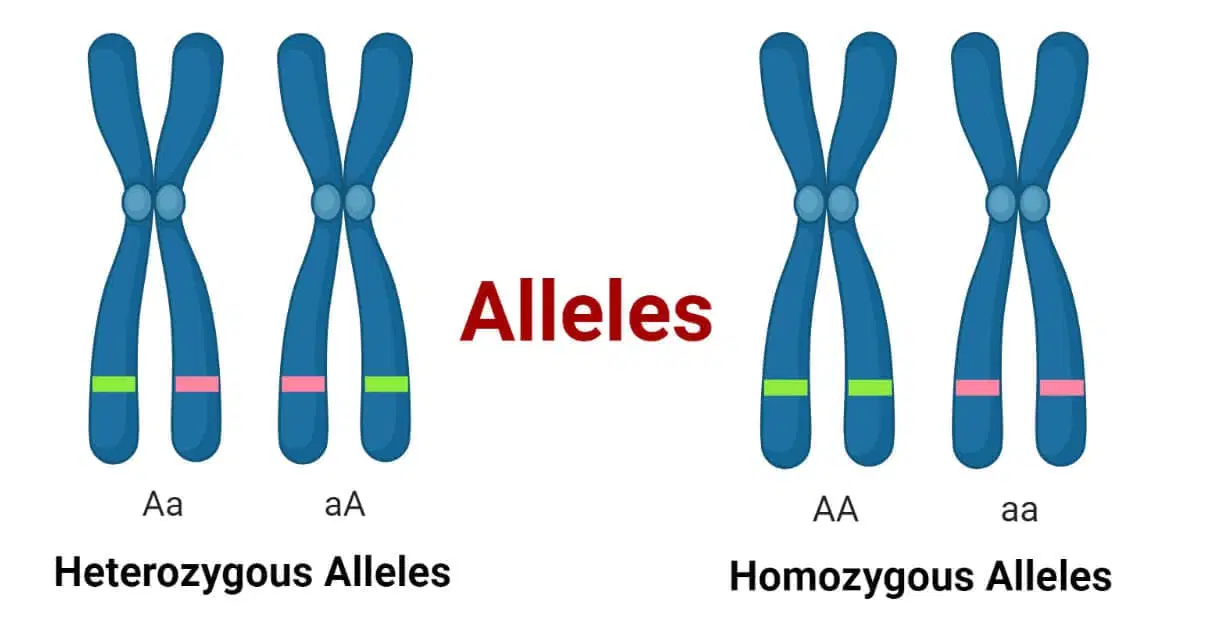
Alternative forms of a gene that are found at the same place on a chromosome.
A variant form of a gene
A type of chromosome
A type of protein
A cellular organelle

