
NEW
Font size
 Worksheets
Hot Water System Quiz
Total questions: 21
Worksheet time: 11mins
What happens when a hot tap is opened?
Cold water is pushed into the hot water cylinder.
Hot water is pushed into the cold water cylinder.
Cold water is pushed into the cold water cylinder.
Hot water is pushed into the hot water cylinder.
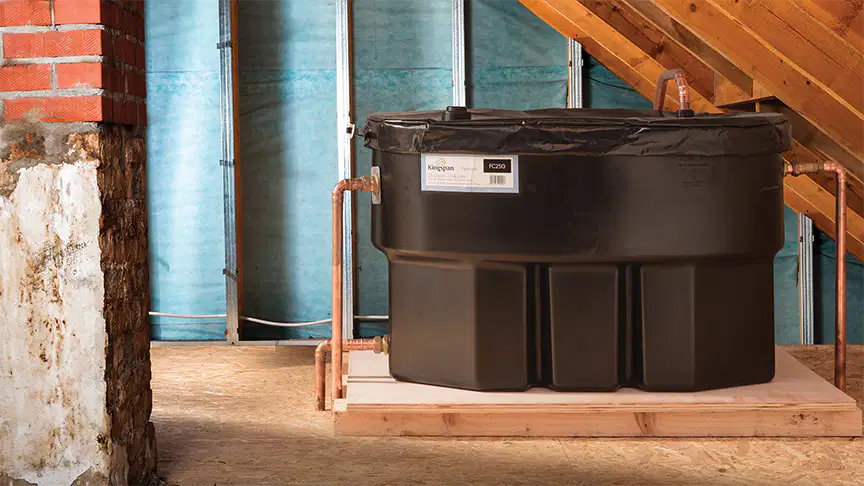
Which component is likely used to store water in the system?
Electrical panel
Cold-Water storage cistern
Gas cylinder
Solar panel
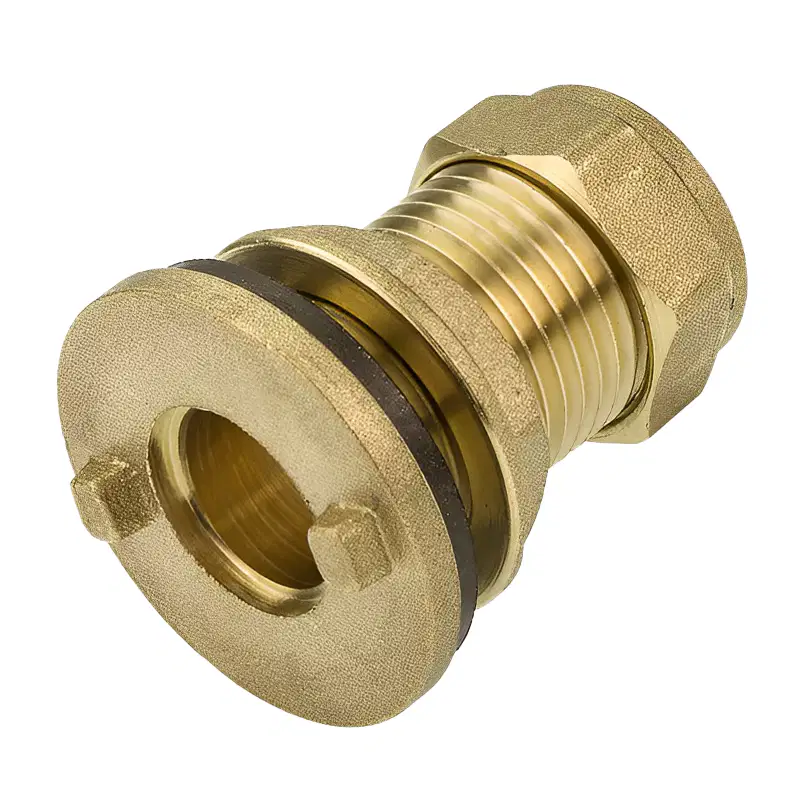
What are the two types of tank connectors mentioned?
Compression and push fit
Screw and bolt
Clip and lock
Twist and seal
According to which standard is the cold feed sized?
BS6700
ISO9001
ANSI150
DIN5000
Where must a service valve be installed on a rising main to the CWSC?
After the float operated valve
Just prior to the float operated valve
At the end of the rising main
Near the water heater
What type of valve must be installed on the cold feed pipe?
Ball valve
Butterfly valve
Fullway gate valve
Check valve
Where is the fullway gate valve generally found?
In the basement
In the kitchen
In the loft or airing cupboard
In the garage

Where is the fullway gate valve located in the installation diagram?
On the hot water feed
On the cold feed
On the return line
On the overflow pipe
Why must the initial part of the hot distribution pipe slightly rise towards the open vent?
To increase water pressure.
To prevent water from cooling.
To allow air to migrate towards the open vent.
To reduce noise in the pipes.
What is the consequence of air being trapped in the pipe?
Increased water flow
Air lock
Reduced water temperature
Pipe expansion
What is parasitic circulation?
Circulation that occurs within the same pipe
Circulation that occurs between two separate pipes
Circulation that occurs in closed vent pipes
Circulation that occurs horizontally in pipes
What is a major cause of heat loss from hot water storage cylinders?
Insulation
Parasitic circulation
External temperature
Pipe material
What happens to the cooler water near the walls of the pipe?
It rises up the vent pipe
It falls back into the cylinder
It evaporates
It remains at the top

What must not be connected to the open vent pipe?
A filter
A valve
A pump
A heater
Why is it important to measure the height of the open vent pipe over the CWSC correctly?
To ensure proper water flow
To prevent system overheating
To maintain system pressure
To avoid water contamination
What type of certificate is used to label hot water cylinders?
Energy Star
Benchmark
ISO
Quality Assurance
What information does the Benchmark certificate provide?
Installation instructions
Cylinder details
Warranty information
Energy consumption
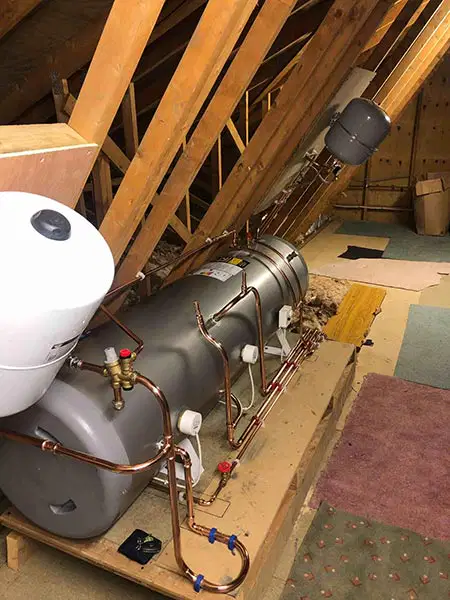
What type of cylinder may be an option if a hot water cylinder needs to be installed in a loft or attic area with height restrictions?
Vertical cylinder
Horizontal cylinder
Diagonal cylinder
Spherical cylinder

What is the function of the thermostat in a boiler?
To regulate the primary water temperature
To increase the water pressure
To filter impurities from the water
To add heat to the water
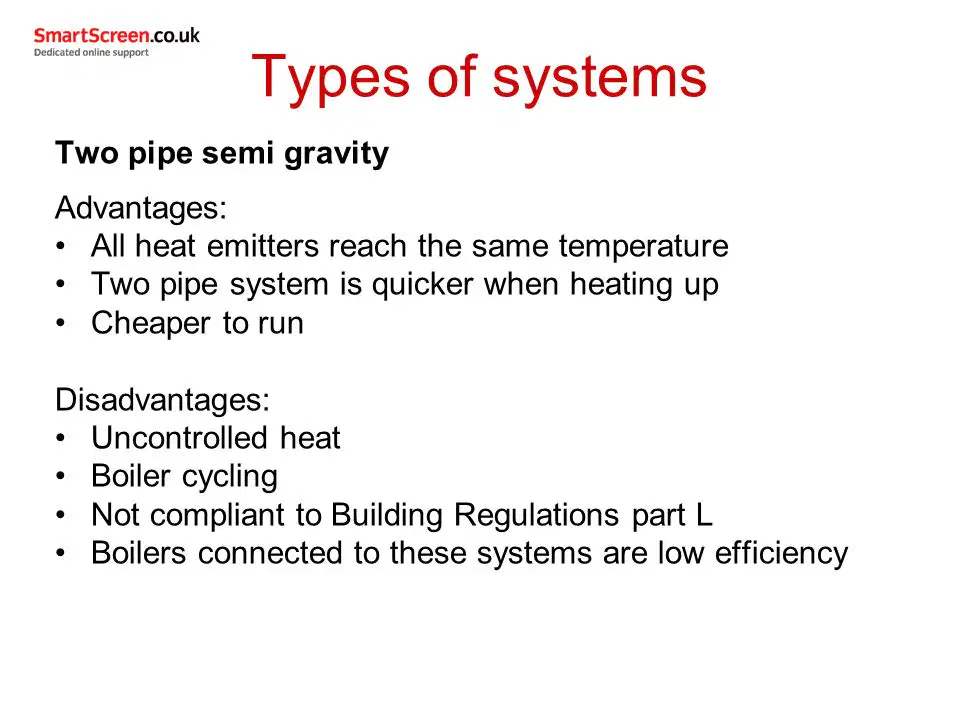
In a two-pipe heating system, how does the system switch between heating and cooling?
It operates both heating and cooling simultaneously through separate pipes
It uses a seasonal changeover switching between heating and cooling as needed
It has dedicated pipes for heating and cooling that operate independently at all times
It automatically adjusts based on room temperature without manual control
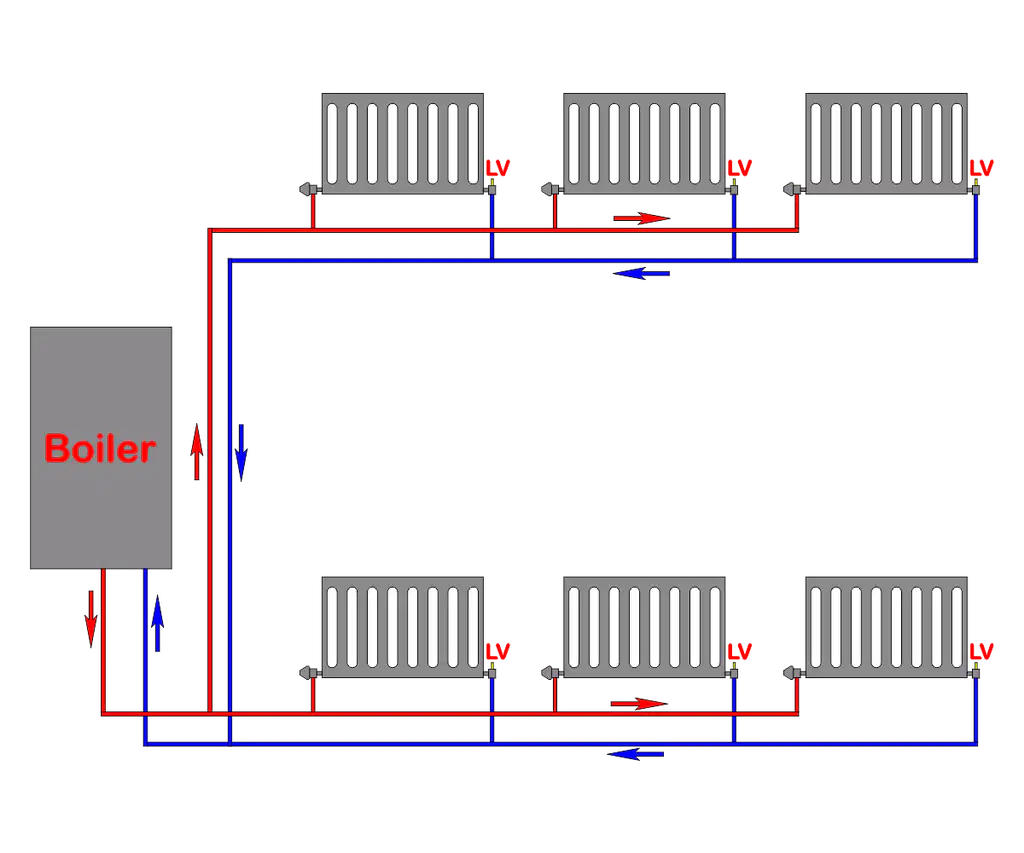
What is a key characteristic of a one-pipe heating system?
Water flows through a single pipe, passing through each radiator in sequence.
It uses separate pipes for flow and return water.
Radiators are connected in parallel for even heat distribution.
it can provide both heating and cooling simultaneously.

