
 Worksheets
Internal Plastering
Total questions: 10
Worksheet time: 10mins

What type of block is shown in the image?
Concrete Block
Thermalite Block
No fines Block
Breeze Block
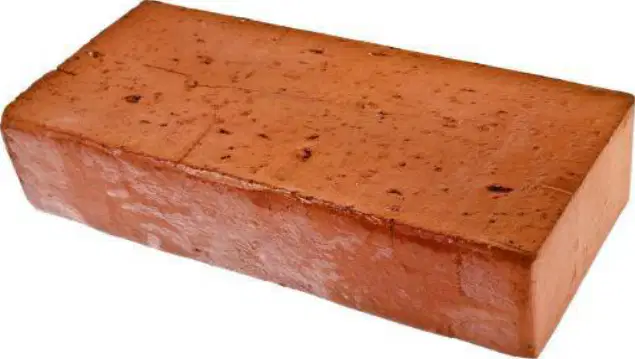
What type of brick is shown in the image?
Common Red Brick
Engineering Brick
Concrete Brick
Lego Brick
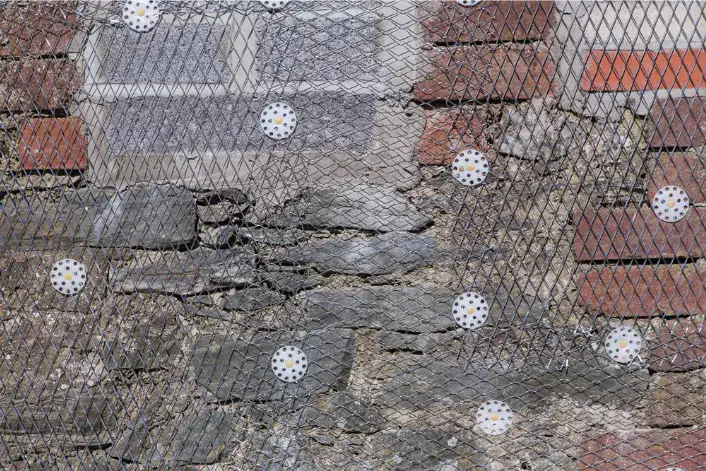
What is the name of the background shown in the image?
Composite Background
Stone Wall
Multi Wall
Confined Background
A composite background in plastering refers to a surface made up of different (a) materials, which requires special preparation before applying plaster. These backgrounds can include a combination of (b) , concrete, and timber, or other dissimilar materials. Since these surfaces have different rates of (c) and movement, they can cause cracking if not properly treated. To ensure a stable plaster finish, a (d) material such as metal lathing or a bonding agent is often used to create a uniform surface. This helps to improve (e) .
What is the type of internal plastering that could involve a backing plaster applied to a solid background?
(a) (b)
Which Thistle product is suitable for medium to high suction backgrounds?
What is the minimum setting time for Thistle MultiFinish?
30 minutes
45 minutes
60 minutes
90 minutes
Which product provides a smooth, inert, high-quality surface to internal plasterboard walls and ceilings?
What is the coverage per bag at 11mm (undercoat) for Thistle HardWall?
10 square meters
8 square meters
3 square meters
5 square meters
Which statement regarding surface preparation is most accurate?
Surface preparation is crucial for ensuring adhesion and longevity of coatings; poor preparation can lead to coating failure.
Surface preparation is not important and has no consequences.
Poor surface preparation enhances the quality of the coating.
Surface preparation only affects the color of the coating.

