
 Worksheets
The Acadians
Total questions: 22
Worksheet time: 22mins
Throughout the 1700s, the voyageurs lived and traded with which group?
Indigenous peoples
European settlers
African traders
Asian merchants
Many Metis people can trace their ancestors back to relationships between which two groups?
French and Indigenous peoples
British and Indigenous peoples
Spanish and Indigenous peoples
Dutch and Indigenous peoples
The Metis are a distinct Indigenous group in which country?
Canada
United States
Mexico
Australia
In the early 1600s, who founded settlements along the St. Lawrence river?
Samuel de Champlain
Christopher Columbus
John Cabot
Henry Hudson
Who forged relationships with Indigenous People during the 1600s and 1700s?
European settlers
Asian traders
African explorers
Australian natives
What was the impact of the growth of the fur trade in the 1600s and 1700s?
It led to the decline of European economies.
It caused a decrease in demand for fur products.
It resulted in the expansion of European territories and increased interactions with Indigenous peoples.
It had no significant impact on global trade.
Loyalty means:
Being faithful and devoted
Being indifferent
Being dishonest
Being forgetful
Being loyal means:
Being honest and faithful
Being dishonest
Being indifferent
Being untrustworthy
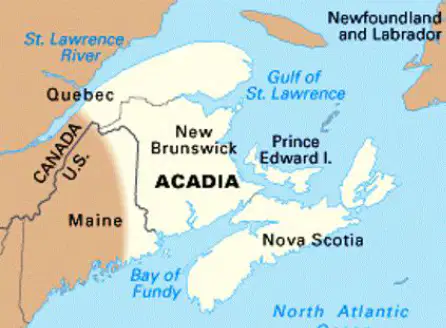
Who were the first 'Acadians'?
The first settlers of the French colony in Nova Scotia
A group of Native American tribes
The first European explorers of Canada
The original inhabitants of Newfoundland
The Acadians faced several challenges in the early years of the Port-Royal settlement, including:
harsh weather conditions and food shortages
conflicts with local Indigenous peoples
lack of support from the French government
all of the above
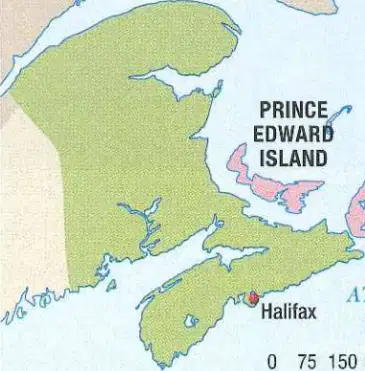
Throughout the 17th century, which two European powers fought for control of Acadia?
By 1750, most Acadians identified more as a distinct French culture than they did as loyal subjects of France. True or False?
True
False
The result of the rising tensions between the English and French in Acadia was:
The Treaty of Utrecht
The Battle of Waterloo
The French Revolution
The American Civil War
Beginning in 1755, who began to round up the Acadian people and expel them from the land?
(a)
Approximately how many Acadians were shipped away during the expulsion?
(a)
The Acadians who managed to avoid deportation have a thriving culture in which parts of present-day Canada?
(a)
Acadian culture is distinct from both Quebec and France.
True
False
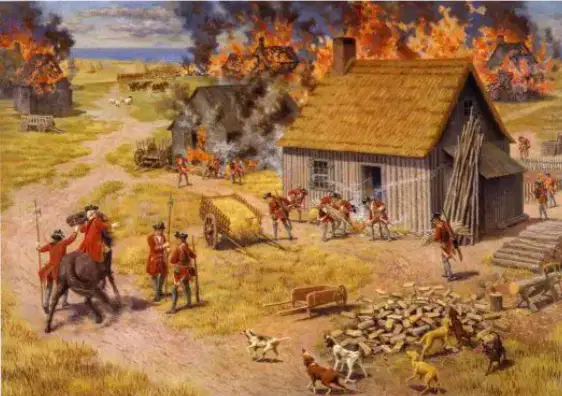
The English did what to Acadian homes, farmland, and communities?
They preserved them.
They improved them.
They destroyed them.
They ignored them.
The experience of the Acadians tells us about what life was like in what we know now as Canada for those who refused to declare loyalty to either the French or the English powers.
They were celebrated as heroes.
They lived peacefully without interference.
They faced deportation and hardship.
They were given land and resources.
What language did the Acadians speak?
English
French
Spanish
German
Where did the Acadians settle?
Pacific region
Atlantic region
Arctic region
Indian region
The British expelled the Acadians from their homeland for fear they would be loyal to the (a) .

