
 Worksheets
Genetics and Heredity
Total questions: 9
Worksheet time: 5mins
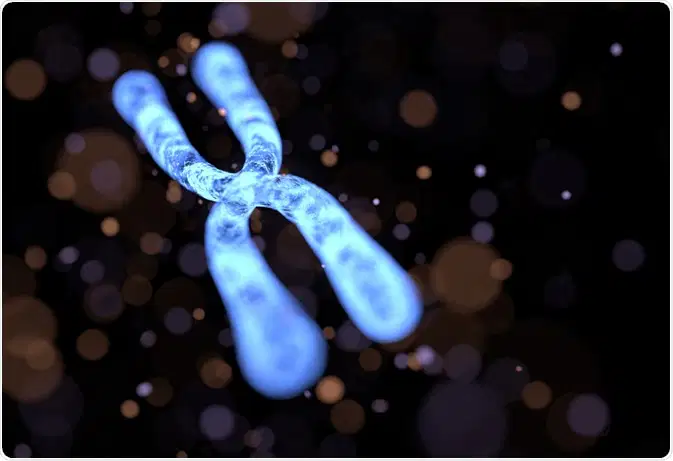
Chromosome
A thread-like structure within a cell's nucleus that contains DNA that is passed from one generation to the next.
A type of protein that helps in cell division.
A small organelle responsible for energy production.
A liquid substance that fills the cell and holds organelles.

Gene
A sequence of DNA that determines a trait and is passed from parent to offspring.
A type of protein that helps in cellular functions.
A structure that carries oxygen in the blood.
A molecule that stores energy in cells.
Acquired Traits
A characteristic inherited from parents
A characteristic developed by an organism during its lifetime due to environmental influences.
A trait that is always beneficial for survival
A feature that is present at birth and does not change
Inherited Traits
Characteristics or features of an organism that are passed down from its parents through genes.
Random mutations that occur in an organism's DNA.
Environmental factors that influence an organism's development.
Learned behaviors that are acquired during an organism's life.
Gene Expression
Determines how inherited traits appear.
Is the process of DNA replication.
Refers to the physical structure of DNA.
Involves the mutation of genes.
Trait
A specific characteristic that an organism can pass to its offspring through its genes.
A random mutation that occurs in an organism's DNA.
An environmental factor that influences an organism's development.
A behavior that is learned rather than inherited.

Nucleus
The brain of the cell, containing the genetic material.
The powerhouse of the cell, producing energy.
The structure that controls cell division.
The outer layer protecting the cell.
Heredity
The process of natural selection.
The passing of traits from parent to offspring.
The study of genes and DNA.
The influence of environment on behavior.

DNA
Genetic material that carries information about an organism and is passed from parent to offspring.
A type of protein that helps in cellular structure.
A molecule that provides energy to cells.
A carbohydrate that stores energy.

