
 Worksheets
CHINA CHINA
Total questions: 75
Worksheet time: 47mins
The first relevant period with archeological findings
Shang
Qin
Han
Sui
Unification of China; Great Wall of China linked together.
Shang
Qin
Han
Sui
Arrival of Buddhism in China
Shang
Qin
Han
Sui
If East: Arts, then West: (a)
If West: Silk Road, then East: (a)
Chang’an; Attempted to invade Gugoryeo but was defeated
Shang
Qin
Han
Sui
Golden age of cosmopolitan culture; Fengshui
Tang
Song
Yuan
Ming
China was most technologically advanced
Tang
Song
Yuan
Ming
Established by the Mongols; introduction of Tibetan Buddhism and Islam
Tang
Song
Yuan
Ming
Forbidden City
Tang
Song
Yuan
Ming
Last imperial dynasty; semi-colonial and semi feudal society
Tang
Qing
Yuan
Ming
Established by Confucius during the Warring States period
(a)
What religion was revived during the Tang dynasty?
Confucianism
Hinduism
Buhddhism
Emphasizes the importance of the familial ties and social harmony
(a)
This architecture focuses on educational institutions rather than places of worship
Confucian Architecture
Chinese Architecture
Buddhist Architecture
Japanese Architecture
Uses Hierarchical system of space and partitioning
Confucian Architecture
Chinese Architecture
Buddhist Architecture
Japanese Architecture
What are Courtyards called in Confucian Architecture?
(a)
What are Alleys called in Confucian Architecture?
(a)
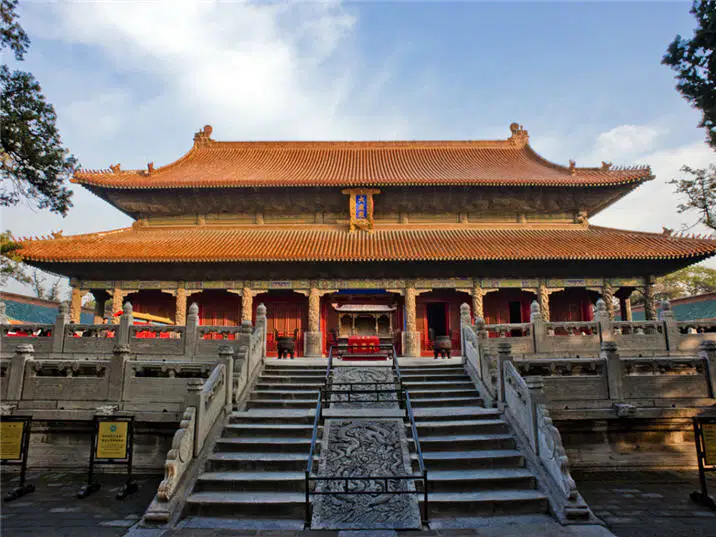
What temple is shown?
Confucian Temple
Chinese Temple
Taoist Temple
Buddhist Temple
"Gate of the First Teacher"
Xianshi Gate
Dacheng Gate
Dacheng Hall
Chongshengci
"Gate of Great Accomplishment"
Xianshi Gate
Dacheng Gate
Dacheng Hall
Chongshengci
"Hall of Great Accomplishment"
Xianshi Gate
Dacheng Gate
Dacheng Hall
Chongshengci
Worship Hall
Xianshi Gate
Dacheng Gate
Dacheng Hall
Chongshengci
Who established Taoism?
(a)
The official religion during Tang Dynasty
Taoism
Neo-Confucianism
Confucianism
Buddhism
Emphasizes doing what is natural and "going with the flow" in accordance with the Tao
Taoism
Neo-Confucianism
Confucianism
Buddhism
A cosmic force which flows through all things and binds and releases them.
(a)
Constructional system which reflects Taoist thought of the inter-relationship of Essence, Energy and Spirit
Confucian Architecture
Chinese Architecture
Buddhist Architecture
Taoist Architecture
Built in the periods of the Ming and Qing dynasties
Confucian Architecture
Chinese Architecture
Buddhist Architecture
Taoist Architecture
The interaction of two opposing and complementary principles
(a)
feminine, dark, and negative
(a)
masculine, bright, and positive
(a)
Laughing Buddha
(a)
One of the oldest forms of the religion in history and China’s oldest foreign religion
Taoism
Neo-Confucianism
Confucianism
Chinese Buddhism
Combination of Taoism and Mahayana Buddhism
Taoism
Neo-Confucianism
Confucianism
Chinese Buddhism

Constructed with the use of brick instead of wood
Songyue Pagoda
Sakyamuni Pagoda
Singha Pagoda
Sang Pagoda
Represent an early attempt to merge the Chinese architecture of straight edges with the circular style from the Indian subcontinent
Songyue Pagoda
Sakyamuni Pagoda
Singha Pagoda
Sang Pagoda

Part of Fogong Temple and built in 1056, it is the oldest wooden pagoda in the world
Songyue Pagoda
Sakyamuni Pagoda
Singha Pagoda
Sang Pagoda
The chinese word for "tower"
(a)
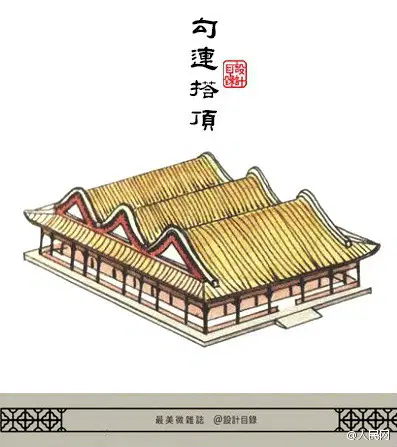
Roof joined by two or more pieces.
Gou Lian Da Ding (Joined Roof)
Wu Dian Ding
Wan Zi Ding
Ping Ding (Flat Top)
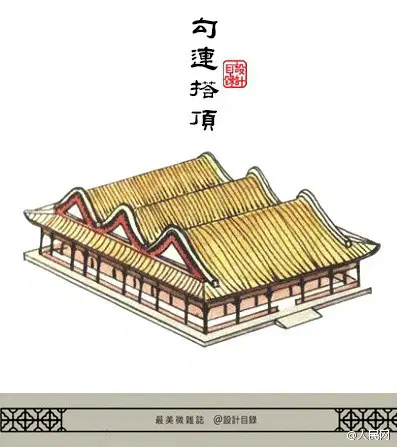
Enlarged interior space without raising the overall height of the building
Gou Lian Da Ding (Joined Roof)
Wu Dian Ding
Wan Zi Ding
Ping Ding (Flat Top)
Pre-Qin Chinese hipped roofs.
Gou Lian Da Ding (Joined Roof)
Wu Dian Ding
Wan Zi Ding
Ping Ding (Flat Top)
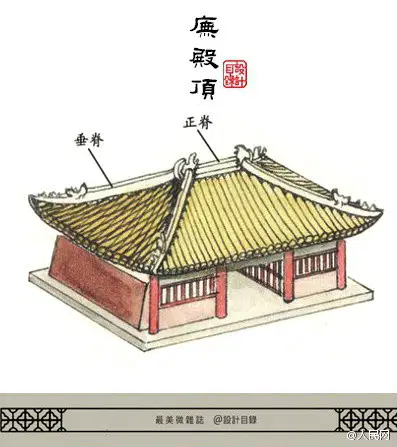
Pre-Qin Chinese hipped roofs.
Gou Lian Da Ding (Joined Roof)
Wu Dian Ding
Wan Zi Ding
Ping Ding (Flat Top)
Used in royal construction projects, large monasteries and temples
Gou Lian Da Ding (Joined Roof)
Wu Dian Ding
Wan Zi Ding
Ping Ding (Flat Top)
Reflects the ancient Chinese concepts of "a square earth and spherical heavens" and "unification of human and nature"
Gou Lian Da Ding (Joined Roof)
Wu Dian Ding
Wan Zi Ding
Ping Ding (Flat Top)
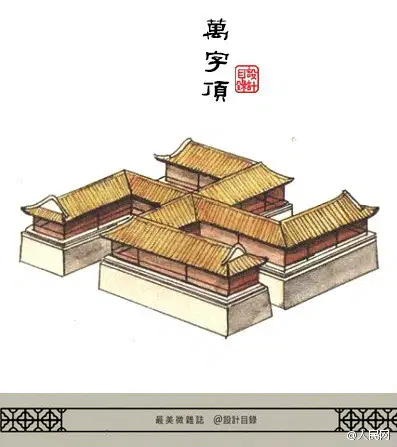
Adopted the shape of 卍 similar to Chinese word "wan", believed to bring good luck.
Gou Lian Da Ding (Joined Roof)
Wu Dian Ding
Wan Zi Ding
Ping Ding (Flat Top)
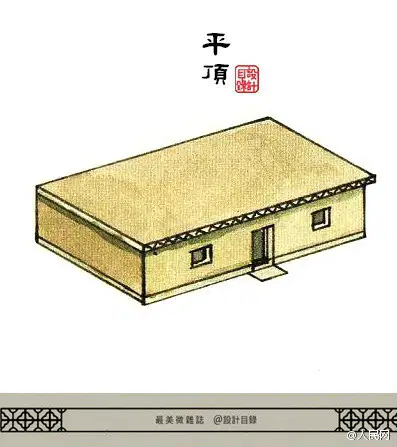
Applied onto buildings in northwest, southwest and north regions in China where the climate is dry and rainless
Gou Lian Da Ding (Joined Roof)
Wu Dian Ding
Wan Zi Ding
Ping Ding (Flat Top)
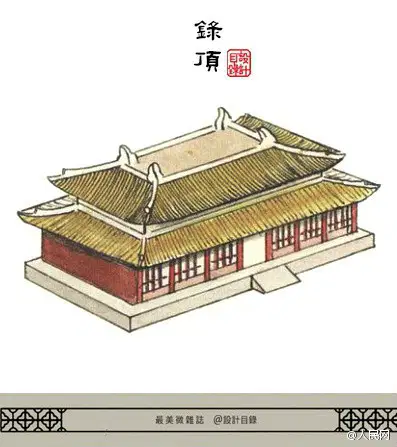
Flat roof, surrounded by four main ridges
Lu Ding
Juan Peng Ding
Juan Peng Xuan Shan Ding
Xuan Shan Ding
Common in Jin and Yuan Dynasty, applied to the top openings of pavilions in imperial temples
Lu Ding
Juan Peng Ding
Juan Peng Xuan Shan Ding
Xuan Shan Ding
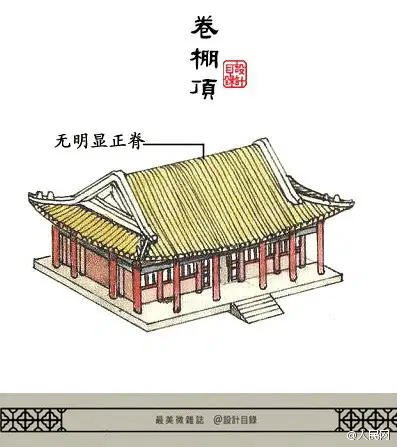
Han Chinese architecture style
Lu Ding
Juan Peng Ding
Juan Peng Xuan Shan Ding
Xuan Shan Ding
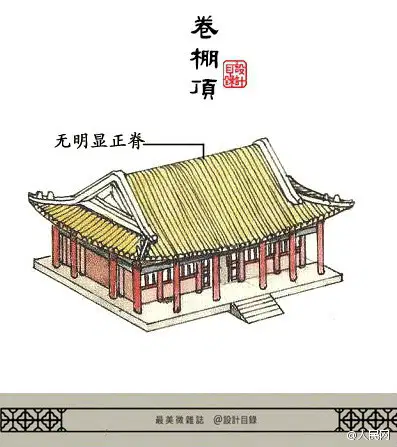
Has fluent lines in harmonic structure often seen in garden architecture.
Lu Ding
Juan Peng Ding
Juan Peng Xuan Shan Ding
Xuan Shan Ding
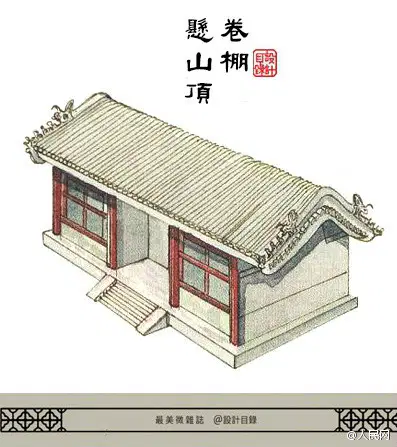
Has fluent lines in harmonic structure often seen in garden architecture.
Lu Ding
Juan Peng Ding
Juan Peng Xuan Shan Ding
Xuan Shan Ding
Overhanging gable roof without main ridges
Lu Ding
Juan Peng Ding
Juan Peng Xuan Shan Ding
Xuan Shan Ding
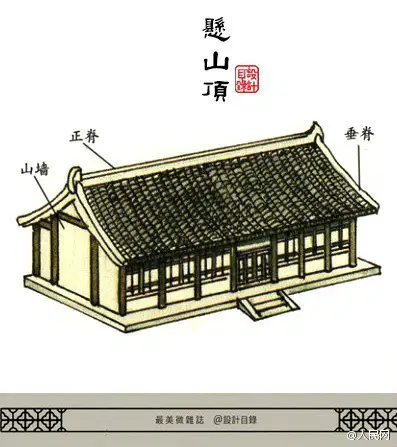
Used for only for civilian buildings in ancient times
Lu Ding
Juan Peng Ding
Juan Peng Xuan Shan Ding
Xuan Shan Ding
Overhanging Gable Roof
Lu Ding
Juan Peng Ding
Juan Peng Xuan Shan Ding
Xuan Shan Ding
"wind water"; Arranging architectural elements so that they are in harmony with nature
(a)
Its goal is to promote the optimal flow of positive energy (chi’i/qi) within the building
(a)
Interlocking bracket system used in traditional Chinese construction to support roof beams.
Duogong
Dugong
Zhoulong
Zhonglong
Represent the emperor and divinity; "Dragons"
Long
Ding
Feng
Shan
Represent affluence, "Phoenix"
Long
Ding
Feng
Shan
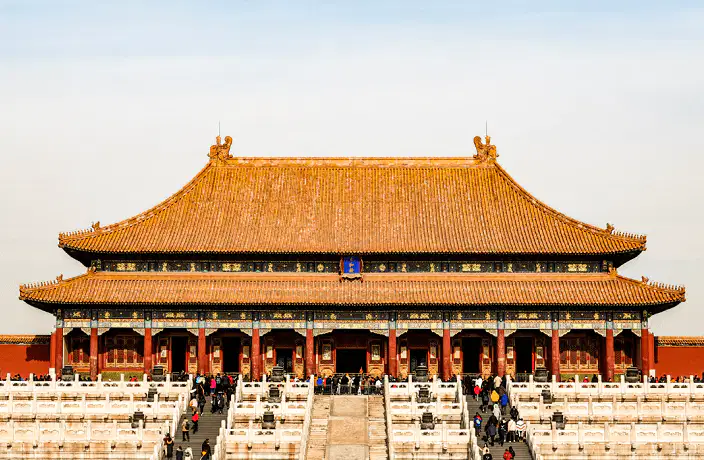
Palace complex which includes temples, reception halls, residences, and service buildings
Forbidden City
Debarred City
Prohibited City
The residence of the son of heaven and the conceptual center of the empire
Palace of Heavenly Purity
Hall of Supreme Harmony
Gate of Great Accomplishment
The First Gate
Emperor's throne room; also where he met daily with his officials
Palace of Heavenly Purity
Hall of Supreme Harmony
Gate of Great Accomplishment
The First Gate
The following are certain architectural features of Imperial Architecture, except:
Yellow roof tiles
Red wooden columns and walls
Black pagodas
White pathways
Who is the only person that can pass through gates with 5 arches?
(a)
A ritual structure in Chinese architecture that serves as the symbolic center of imperial power.
Mingtang
Lingtai
Chang'an
Chi
If Circle: Heaven, then Square: (a)
If Square: Earth, then Circle: (a)
spirit altar, raised astronomical observatory; usually the central, circular upper storey of the mingtang.
Mingtang
Lingtai
Chang'an
Chi
A ritual structure in Chinese architecture that serves as the symbolic center of imperial power.
Mingtang
Lingtai
Chang'an
Chi
Designated as the intersection of heaven and earth, oriented around the four cardinal directions.
Mingtang
Lingtai
Chang'an
Chi
zoomorphic ornaments on roofs of official buildings
(a)
Monumental gateway to a palace, tomb, or sacred place.
Pailou
Zhonglou
Gulou
Gonglou
Chinese bell tower or pavilion
Pailou
Zhonglou
Gulou
Gonglou
Chinese drum tower
Pailou
Zhonglou
Gulou
Gonglou