NEW
Font size
 Worksheets
🌈 Quizizz #17 🌈 English
Total questions: 20
Worksheet time: 3600secs
What is homeostasis?
The process by which living organisms maintain a stable internal environment despite external changes.
A method of communication between cells in an organism.
The ability of an organism to adapt to its environment over time.
The process of breaking down food into energy.
What is the role of decomposers in an ecosystem?
Decomposers break down dead organic matter, recycling nutrients back into the ecosystem.
Decomposers produce energy through photosynthesis.
Decomposers are primary producers that create food for consumers.
Decomposers compete with plants for sunlight and nutrients.
What is biodiversity?
The total number of organisms in a given area.
The variety of life in a particular habitat or ecosystem, including the number of different species.
The study of how species interact with each other.
The process of evolution in different species.
Which definition best fits the term BIOTIC?
The study of the interactions between animals and their environment
Factors in the environment that are considered not alive
Factors in the environment that are considered living or the remains of living things
The ecological role an organism performs in their specific environment is considered the organism's...
Habitat
Population
Biome
Niche
Photosynthesis is important because...
it makes carbon dioxide
it makes food for the food webs
it makes water
it's not important
Oceans become more acidic because:
they absorb more carbon dioxide from the atmosphere.
they release more oxygen into the atmosphere.
they increase in temperature.
they decrease in salinity.
What impact does ocean acidification have on calcifying organisms like urchins?
It enhances their calcification process.
It reduces their ability to calcify.
It has no impact on their calcification.
It strengthens their skeletal structure.
9. What types of organisms are the major drivers of the nitrogen cycle? What do those major organisms do?
Bacteria and fungi, which decompose organic matter
Plants, which produce oxygen through photosynthesis
Animals, which consume plants and other animals
Viruses, which infect host cells
11. The major human impact that has caused an increase in nitrogen levels in freshwater ecosystems is:
Agricultural runoff
Deforestation
Urbanization
Industrial emissions
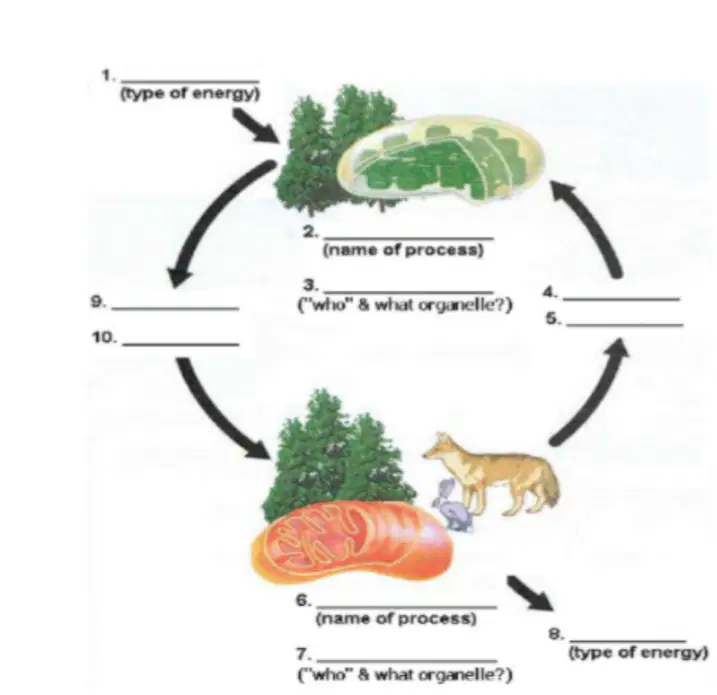
How does this diagram connect to the Carbon Cycle?
It shows the process of photosynthesis.
It illustrates the flow of carbon through different reservoirs.
It depicts the impact of human activities on carbon levels.
It explains the role of oceans in carbon absorption.
23. How are gills similar to lungs based on the information provided in the diagram?
Both are used for respiration
Both are found in mammals
Both are used for digestion
Both are used for circulation

25. Using the image to the left, explain why the otters are considered a keystone species.
Otters maintain the balance of the ecosystem by controlling sea urchin populations.
Otters are the primary food source for many marine animals.
Otters help in the pollination of aquatic plants.
Otters are the largest marine mammals in their habitat.
In a community of Orcas, Otters, Urchins, and Kelp which would be the secondary consumer ?
Orcas
Otters
Urchins
Kelp
What is Diffusion?
The movement of atoms or molecules from an area of higher concentration to an area of lower concentration
A type of chemical reaction
The process of heating a liquid to create vapor
The transfer of heat through a fluid

The largest number of individuals that an environment can support long term is...
carrying capacity
emigration
immigration
population density

What happens if a population grows past its carrying capacity?
The population keeps growing
The population starts to die off
The entire species will go extinct
The carrying capacity just increases

Something that regulates the size of a population is called...
a limiting measure
a limiting factor
carrying capacity
biodiversity

What is the carrying capacity of the graph?
1000
8000
800
600