
 Worksheets
Quizizz #1-DUE-3/28-80q
Total questions: 80
Worksheet time: 2hrs 28mins
What are the inputs (reactants) of photosynthesis? (a)
What is the process in which energy is broken down to release energy?
photosynthesis
cellular respiration
chloroplasts
glucose
Plants make their own food called
glucose
oxygen
carbon dioxide
chloroplast

What equation is this?
Photosynthesis
Cellular Respiration

What equation is this?
Photosynthesis
Cellular Respiration
The process that releases energy (ATP) by breaking down glucose. (converts food molecules (glucose) into a form usable (ATP) by the organism)
Cellular Respiration
Photosynthesis
During a biology class, Kai learned about different types of exercises. What does it mean for an exercise to be aerobic?
It requires CO2
It does not require CO2
It requires oxygen
It does not require oxygen
James and Tim are doing their science homework. They get to a question about cellular respiration. The question asked, what happens to the atoms from the large glucose molecule after cellular respiration?
James says all the atoms are turned into carbon dioxide and water. Tim says that some of the atoms are destroyed and turned into energy. Who is right and why?
James is correct because no atoms can be destroyed, only rearranged.
James is correct because energy is created without destroying atoms.
Tim is correct because glucose has many too atoms in it and energy is created when the atoms are destroyed to make room for more glucose
Tim is correct because energy is only created when atoms are destroyed.

The graph shows the relationship between the amount of light received by a plant and its rate of photosynthesis.
As the amount of light received by this plant increases, its rate of photosynthesis _______________.
decreases, then increases.
decreases, and then remains the same.
increases, then decreases.
increases, and then remains the same.

The diagram shows some relationships within a natural community.
Which statement best explains the relationships shown?
Water changes over time to a nonrenewable resource.
Living things exchange materials with their environment.
Minerals recycle the dead materials in the environment.
Living things produce other living things.
The stage of respiration that releases most of the energy in glucose occurs in the _______________.
nucleus
choroplast
cytoplasm
mitochondria
Cellular Respiration involves the chemical breakdown of (a) to form ATP Energy
If carbon dioxide is removed from a plant’s environment, what would you expect to happen to its production
of high-energy sugars?
More sugars will be produced.
No sugars will be produced.
The same number of sugars will be produced but without carbon dioxide.
Carbon dioxide does not affect the production of high-energy sugars in plants.
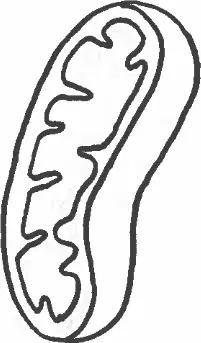
What process occurs in the mitochondria?
Photosynthesis
Cellular Respiration
Fermentation
Transpiration

How do trees obtain energy?
they produce food through photoynthesis
they eat grass
they absorb nutrients from decomposing pants and animals
they eat animals


What subatomic particle is the arrow pointing towards?
Proton
Neutron
Electron
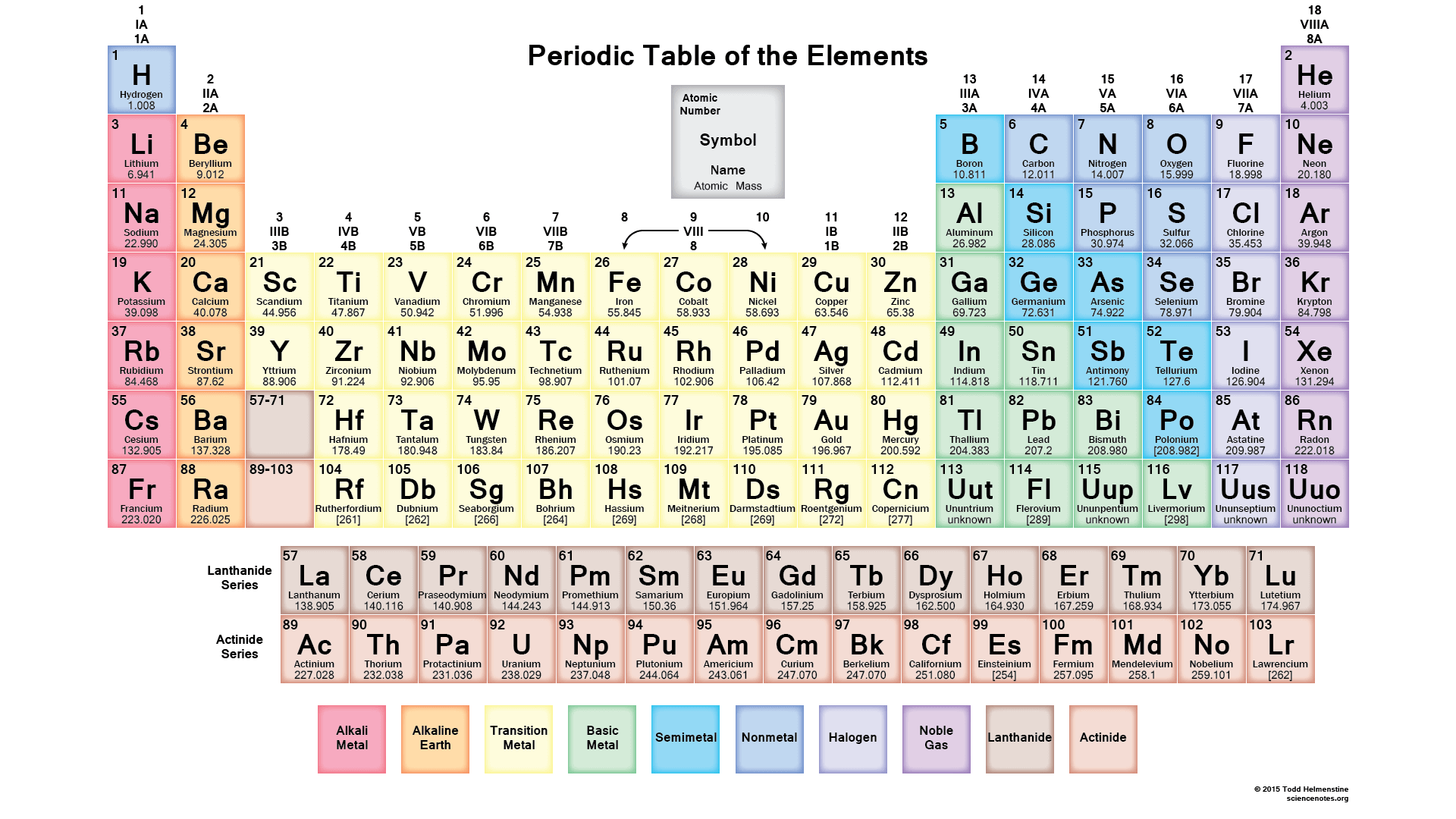
Appear to the right of the dark zig-zag line on the periodic table
Metals
Non-metals
Metalloids
None of the Above
They have characteristics of between metals and non-metals
Metals
Non-metals
Metalloids
None of the Above
Are malleable which means they can be hammered into sheets.
Metals
Non-metals
None of the Above
Are ductile which means they can be drawn into a wire.
Metals
Non-metals
None of the Above
Have a high melting point and are very dense.
Metals
Non-metals
None of the Above
They are good conductors of electricity and heat.
Metals
Non-metals
None of the Above
Most are solid at room temperature.
Metals
Non-metals
None of the Above
Most are gases at room temperature.
Metals
Non-metals
None of the Above
They have a low melting point and are low density.
Metals
Non-metals
None of the Above
Where are metals located on the periodic table?
Right side of periodic table
Left side of periodic table
zig-zag line of periodic table
none of the above

Which elements are to the right of the zig zag?
metals
nonmetals
metalloids
Krypton (Kr) is a colorless gas that does not conduct electricity. Where would you find this element on the Periodic Table?
on the left
on the right
in the middle
at the bottom
Sodium (Na) is a silvery metallic element with an extremely high melting point. This element is a __________ and will be found on the __________ side of the Periodic Table.
nonmetal, right
metal, right
nonmetal, left
metal, left
In a chemical reaction, if the mass of the reactants is 75 g, what must be the mass of the products?
Less than 75 g
Exactly 75 g
More than 75 g
How many neutrons are present in an atom with atomic mass 39 and atomic number 19?
20 neutrons
18 neutrons
22 neutrons
24 neutrons


Na2CO3


The vertical (up and down) columns in the Periodic Table are called
groups
towers
periods
atomic numbers
Which property is not a characteristic of compounds?
Have a fixed ratio of elements
Can be separated by physical means
Have properties different from their component elements
Are made of molecules
What is one similarity and one difference between mitosis and meiosis?
both go through divisions, but only mitosis makes 4 cells
both have the same number of chromosomes, but differ in number of cycles
both cells contain DNA, but only mitosis has crossing over
both cells replicate the DNA, but meiosis has 1/2 the # of chromosomes as mitosis
What is the benefit of crossing over and what phase?
it makes the chromosomes all lined up and occurs in metaphase
it exchanges genetic information increasing variability. Occurs in prophase I
it keep the genetic information identical and occurs during cytokinesis
none of the following are true
If I were to cross a heterozygous with another heterozygous, regardless of the trait, what is the chance of the offspring expressing the recessive trait?
0%
25%
50%
75%
Which of the following would represent homozygous?
AA, BB, rr
AA, Bb, Rr
Aa, Bb, Rr
aa, bb, Rr
If an organism reproduces asexually, its offspring will most likely be...
genetically identical to the parent
genetically different from each other
produced from specialized cells known as gametes
A mutant
Which of the following are PHENOTYPES?
green skin
Aa
homozygous recessive
purple eyes
black fur

What is the dominant trait here?
Bb
Recessive eyes
Blue eyes
Brown eyes
What process occurs to make more body cells?
mitosis
meiosis
both
What process occurs in organisms that reproduce asexually? (Bacteria)
mitosis
meiosis
both
Which process begins with 2 parent cells?
mitosis
meiosis
both
Which process creates daughter cells that are different from the parent cells?
mitosis
meiosis
both
Humans have 46 chromosomes in their cells. How many chromosomes would be in the new cells produced through meiosis?
23
92
4
46

Students were investigating the effect of fertilizer on tomato plants. Some of their data are shown in the table below.
The tomato plant that received the most fertilizer produced the greatest number of tomatoes.
A tomato plant will produce larger tomatoes if it is given more fertilizer.
Tomato plants that received more fertilizer were taller than the other plants.
The best tasting tomatoes came from tomato plants that received between 1 and 2 mL of fertilizer.
What two systems work together to help us take in oxygen and transport it throughout our bodies?
Muscular and Nervous systems.
Respiratory and Circulatory systems.
Circulatory and Digestive systems.
Respiratory and Excretory systems.
What two systems work together to process information and helps us move?
Muscular and Digestive systems.
Excretory and Nervous systems.
Respiratory and Circulatory systems.
Nervous and Muscular systems.
Cell Wall
Rigid structure, support in plants
Flexible barrier, regulates entry and exit of substances
Energy production site in cells
Storage of genetic information
Homeostasis
Maintaining internal balance
Disrupting external conditions
Increasing metabolic rate
Decreasing body temperature
Diffusion
Movement of particles from high to low concentration
Movement of particles from low to high concentration
Movement of particles in a vacuum
Movement of particles at constant concentration

Which body system helps remove excess water produced during cellular respiration?
Digestive System
Excretory System
Muscular System
Nervous System

15. The diagram shows two different colored moths on a tree.
What adaptation is depicted, and how does it affect the moths' ability to survive in their environment?
The darker moth exhibits camouflage, which allows it to avoid predators and contributes to its survival.
The lighter moth exhibits mimicry, which allows it to frighten predators and contributes to its survival.
Both moths exhibit camouflage; however, neither blends well with the tree, so both species will decline.
The darker moth rests near the lighter moth for protection from predators, and this contributes to its survival.
16.Young deer have reddish-brown coats covered with white spots. Their coat color helps them blend in with the trees in the woods where they live.
Which of the following is NOT an advantage of this adaptation? (Select Multiple)
It helps the parents locate their young ones quickly.
It helps the young deer stay warm in cold weather.
It helps the parents find food in the woods quickly.
It helps the young deer avoid being spotted by predators.

