
 Worksheets
Unit 6 Vocab: Russia
Total questions: 34
Worksheet time: 17mins

What is Chernozem?
A type of plant
A type of animal
Rich black topsoil
A type of rock
Where is Chernozem commonly found?
The Sahara Desert
The Northern European Plain
The Amazon Rainforest
The Rocky Mountains
What is a unique characteristic of Chernozem?
It is red in color
It is sandy
It does not freeze
It is found underwater
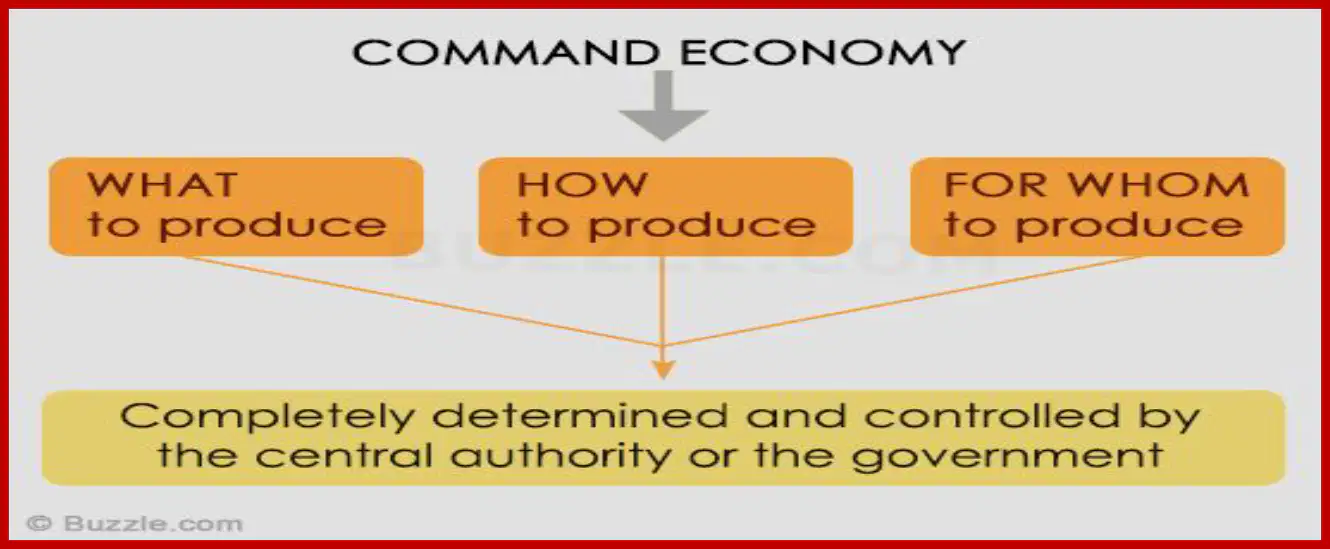
What is a command economy?
An economy where the government controls resource management.
An economy based on supply and demand.
An economy where individuals make all economic decisions.
An economy with no government intervention.
In a command economy, who determines what to produce?
The central authority or the government.
Individual consumers.
Private companies.
International organizations.
Which of the following is NOT a characteristic of a command economy?
Government control over production.
Decisions made by private companies.
Centralized decision-making.
Government determines resource allocation.
In a command economy, how are decisions about 'how to produce' made?
By market forces.
By the government.
By consumer preferences.
By international trade agreements.

Which element is NOT part of the command economy diagram?
What to produce.
How to produce.
For whom to produce.
Where to produce.
What is the role of the government in a command economy?
To regulate only the financial sector.
To control all aspects of economic production.
To provide subsidies to private companies.
To encourage free market competition.

What is the main characteristic of a communist society?
Society based on equality in which workers control industrial production.
Society based on free market principles.
Society where the government has no control over industries.
Society where private ownership is encouraged.

Who was the ruler of Russia until the 1917 Revolution?
President
Prime Minister
Czar
Emperor
What does the term "Glasnost" mean in Russian?
Freedom
Openness
Strength
Unity

What is depicted in the first image related to Glasnost?
A peace treaty
A handshake
A protest
A debate

What is the main theme of the second image related to Glasnost?
Conflict
Negotiation
Celebration
Competition
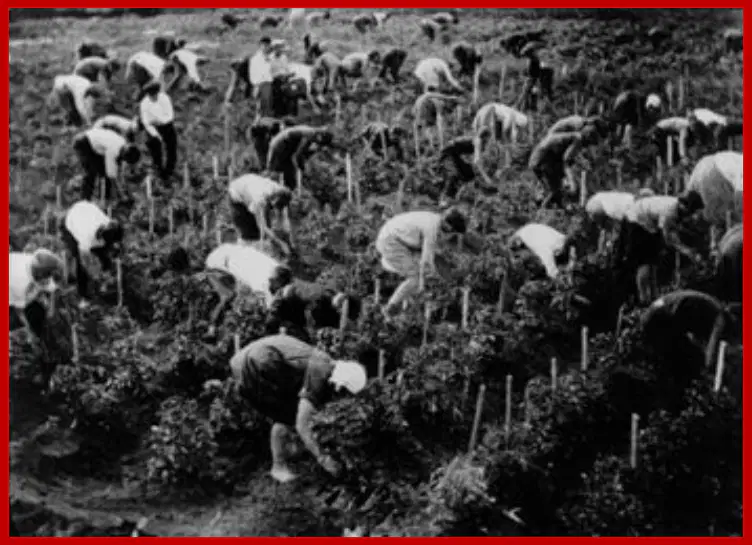
What is a kolkhoz?
A large industrial farm owned by the state.
A small farm worked by farmers who shared in the farm's production and profits.
A private farm owned by a single family.
A type of urban garden.
What is a market economy based on?
Government control
Free enterprise
Fixed prices
Central planning

Which of the following is a characteristic of a free market?
Restricted competition
Free to set prices
Government-set wages
Limited investment opportunities
Which of the following is NOT a feature of a market economy?
Free to earn profits
Free to create capital formation
Free to choose your work
Prices set by the government
In a market economy, individuals are free to:
Compete
Avoid competition
Set government policies
Control all resources
What does a free market allow individuals to do with private property?
Free to buy, own, use, and sell
Free to confiscate
Free to ignore
Free to destroy
Which of the following is a benefit of a market economy?
Centralized decision-making
Free to choose your work
Fixed prices
Limited entrepreneurship
What is a key element of a free market?
Free to create capital formation
Restricted trade
Government ownership of businesses
Fixed employment

What is nuclear waste?
A type of renewable energy
The by-product of producing nuclear power
A form of clean energy
A type of fossil fuel

What does the term "Perestroika" mean?
Restructuring
Revolution
Expansion
Isolation
Who was responsible for the plan known as "Perestroika"?
Mikhail Gorbachev
Joseph Stalin
Vladimir Lenin
Nikita Khrushchev

What is socialism?
A political philosophy where individuals own the means of production.
A political philosophy where the government owns the means of production.
A political philosophy where corporations own the means of production.
A political philosophy where no one owns the means of production.
What is the definition of sovereignty?
The ability to rule or have power.
The ability to trade goods.
The ability to travel freely.
The ability to communicate effectively.
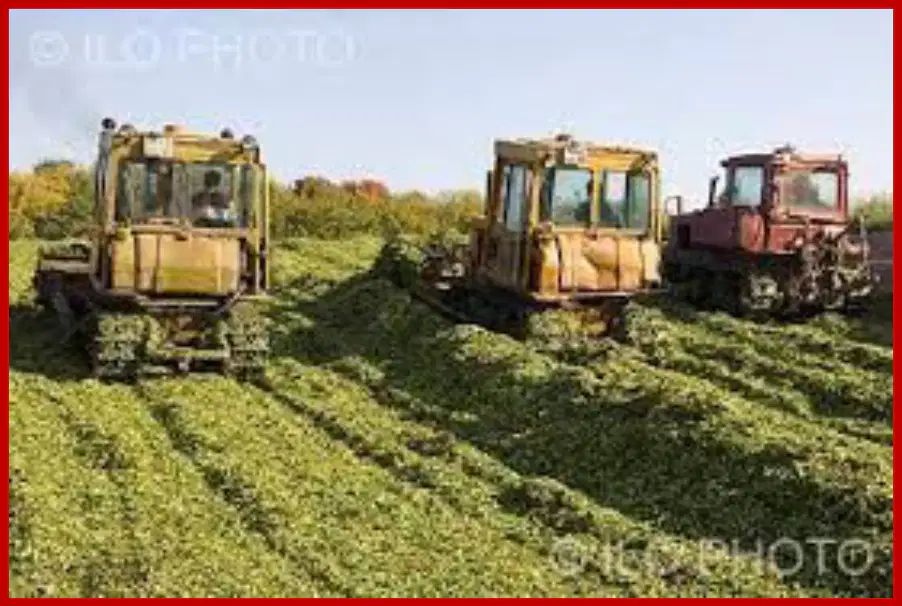
What is a Sovkhoz?
A small family-owned farm.
A large farm owned and run by the state.
A private agricultural company.
A community garden.
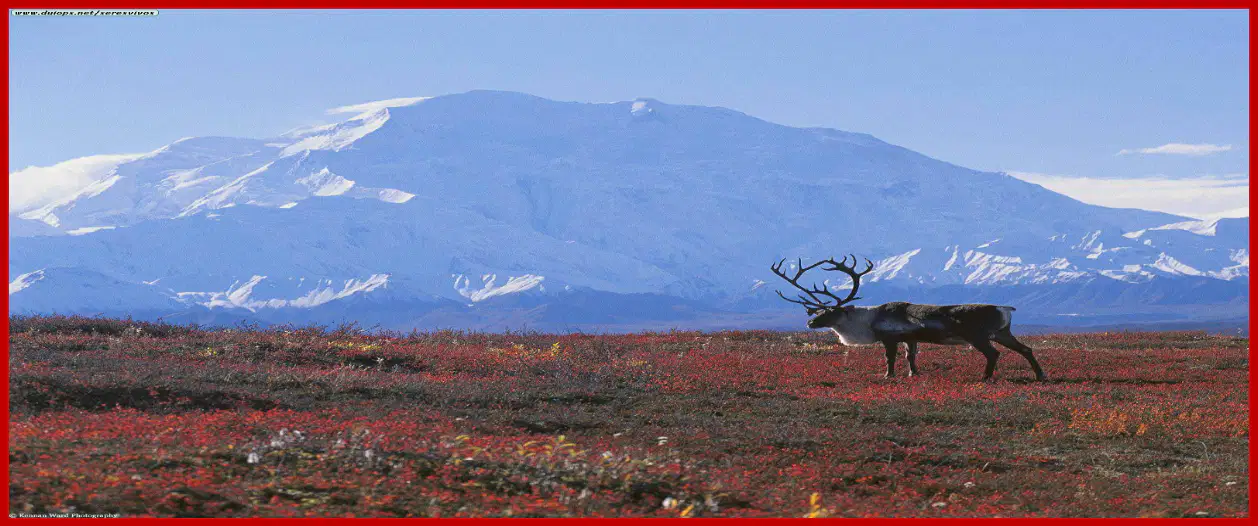
What is a tundra?
A dense forest in tropical climates
A vast, treeless plain in cold Northern climates
A desert with high temperatures
A mountainous region with heavy rainfall
What characterizes a tundra?
High temperatures and dense vegetation
Permafrost and small plains
Heavy rainfall and large trees
Sandy dunes and cacti
What is a wide grassy plain in Eurasia called?
tundra
steppe
taiga
chernozem
Russian term for vast subarctic forest
steppe
czar
taiga
chernozem
vast, treeless plains in cold Northern climates
tundra
sovereignty
glasnost
sovkhozes
the ability to rule or have power
socialism
communism
sovereignty
czar

