
 Worksheets
Intermediate Orchestra End of Year Exam
Total questions: 50
Worksheet time: 25mins

This symbol tells you what?
accent or emphasize the note
hold out the note (fermata)
separate the notes, put space between
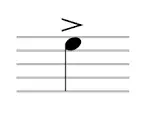
This symbol tells you to do what?
accent or emphasize the note
hold out the note (fermata)
pluck the strings
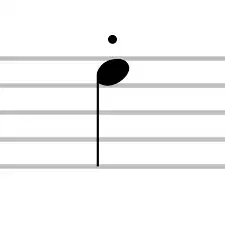
What does a dot above or below a note mean?
pluck with the left hand
staccato - put spaces between the notes by stopping the bow. Play the notes shorter.
use a harmonic
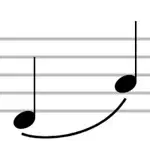
This symbol tells you to do what?
Tie - add the notes together, one bowstroke
slur - two pitches in one bow stroke
use a hooked bow - two separate notes but in the same bow direction
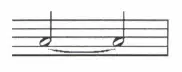
This symbol tells you to do what?
tie - add the notes together, one bowstroke
slur - two pitches in one bow stroke
use a hooked bow - two separate notes but in the same bow direction

This symbol tells you to do what?
vibrato
tremolo
glissando
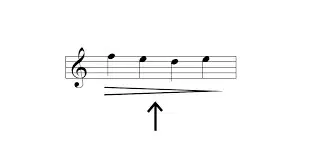
This symbol tells you to do what?
crescendo - go from soft to loud
diminuendo or decrescendo - go from loud to soft
accent - emphasize the note
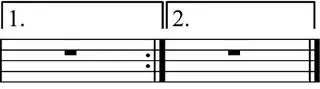
These symbols tells you to do what?
play louder on the second time
stand partners divide the parts
take 1st and 2nd endings
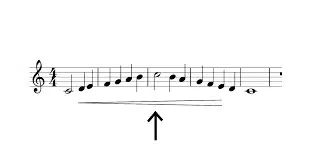
This symbol tells you to do what?
crescendo - increase from soft to loud
fermata - hold out the note
diminuendo or decrescendo - getting softer
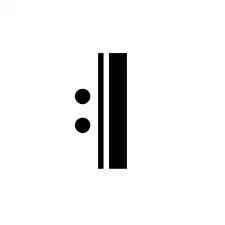
This symbol tells you to do what?
double bar - stop. end of song.
modulation (key change)
repeat the line
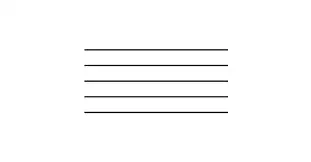
What is this symbol?
staff
barlines
key signature
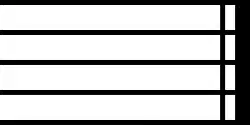
What is this symbol? What does it indicate?
Double bar indicating the end of the song
Modulation (Key change)
Repeat the line
Where should you put your backpacks when you come into the orchestra room?
By your chair
on the floor near the shelf
on the shelf
Behind your chair
What is the tuning note of the orchestra?
A 440 Hz
A 442 Hz
B 660 Hz
A 439 Hz
What is the main purpose of the soundpost?
To hold up the top of the instrument
For tuning purposes
As a decoration
To transmit vibrations from the strings to the back of the instrument, making it louder
What is the swirly thing at the top of your instrument?
Swirl
Scroll
Twirl
Squirrel
Why should your bow be pointing down when you are not playing?
Because the down bow symbol tells you to go that way
Because you are too lazy to play with your bow in the correct position
Because the bow can be dangerous and shouldn't be pointed where someone might get hurt
Because ready position includes pointing your bow to the floor
How often should you tune your instrument?
every day at the beginning of class
never
only when there is a test
only if I want to
Who is allowed to turn the pegs on your instrument?
The principal of the school
your orchestra teachers
your parents
only orchestra students
Why shouldn't you turn a peg?
The string might cut you
The string will probably break
The peg might break
No reason
At the end of class, right after playing, you should
loosen the bow before putting it in the case
Rosin the bow
Tighten the bow before putting it in the case
Remove the chinrest
Bowing two strings at the same time is called what?
An accident
Double Stops
A strange sound
Harmonics
If you are unable to take your instrument home to practice, you should
not practice
just practice a little and don't worry about your grade
practice at school (after school)
bring a note from your parent to excuse you from practice
Concert etiquette is
your behavior at a concert
checking roll before the concert starts
manners at the dinner table
proper tuning before a performance
Why shouldn't you touch the bow hair with your finger tips?
The oils from your skin are bad for the hair and will deteriorate it.
You might tangle the hairs.
You might get dirt on the the instrument.
Because the hairs might come loose.
Why should you keep your fingernails trimmed short?
So you can play correctly on the tips of your fingers.
So that you won't scratch yourself.
So that you won't break the strings.
So that you can't scratch graffiti into the bathroom walls.
What should you do if you break your instrument?
Hide it under your bed and pretend you lost it.
Take it right away to the orchestra teacher.
Glue or tape it together.
Blame it on someone else.
Which of the following is NOT part of good bow hold position?
curved fingers
relaxed hand
bent thumb
straight fingers
During orchestra class, what side of the chair should you put your instrument or case?
left
back
right
front
After the orchestra concerts, who is responsible for returning chairs and stands to the orchestra room?
the orchestra teachers
students with nothing better to do
beginner orchestra students only
every orchestra student
What should you wear to the orchestra concert?
school uniform clothes
a black t-shirt, black jeans, and any color shoes
all black formal clothes and shoes
it does not matter
When you are done using a Chromebook, where should you put it?
on the floor
on a chair
on a music stand
on the Chromebook cart, charging

What does this symbol mean?
Start at tip, move bow to frog
Start at frog, move bow to tip
use a little bow
use a lot of bow

What does this symbol mean?
use a little bow
start at tip, go to frog
start at frog, go to tip
use a lot of bow

What is the correct meaning for the top & bottom numbers of this time signature?
4 beats per measure (top); 4 beats per measure (bottom)
4 notes per measure (top); 4 beats per measure (bottom)
4 beats per measure (top); quarter note gets one beat (bottom)
quarter note gets one beat (top); 4 beats per measure (bottom)
As notes go up on the music staff, the pitches are
Higher
Lower
As notes go down on the music staff, pitches are
Higher
Lower

This part attaches the top part of the instrument to the rest of its body (Note: this is the safest place to pick up the violin, viola, and cello from).
Tailpiece
Bridge
Neck
Fingerboard
Are you allowed to use your cell phones in the orchestra room?
Yes, always because it belongs to you.
Yes, whenever you get a text message.
No.
Yes, to tune your instrument.
Which part of the instrument is used to correct tuning when the string is only slightly out of tune?
pegs
peg box
fine tuners
adjusting screw
What should you have on your music stand every day?
Your homework that you didn't finish last night.
Your most recent manga graphic novel.
Your orchestra book.
Nothing. Leave the stand empty.
How many left feet do you have?
one left foot only
3 left feet and an extra arm
two tails, a snout, and no feet
2 left feet
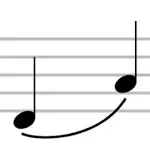
What does a slur tell you to do?
Connect the notes by changing bow direction quickly.
Connect the notes smoothly by continuing the bow in the same direction while switching fingers.
Separate the notes with a short bow stroke.
Play both notes at once.

Which instrument reads from the alto clef?
violin
viola
cello
double bass
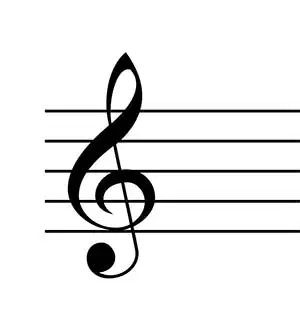
Which instrument always reads from the treble clef?
violin
viola
cello
double bass
The D major scale (and the key signature for D major) has which of the following?
Two sharps: F sharp and C sharp
One sharp: F sharp only
One flat: b flat only
No sharps or flats
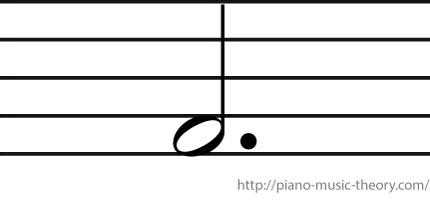
A dotted half note gets how many beats?
1
2
3
4
This symbol tell you to lift the bow and reset it for another down bow.


This symbol tells you to hold the note out until the conductor cuts you off.


You are required to attend sectionals after school.
Yes. This will help Jr Varsity and Varsity orchestra students prepare for UIL.
No. Practicing during class is enough.

