wayground logo

Free Printable Worksheets

Font size

S
M
L
XL
Worksheets

Unit 4 Test

Total questions: 52

Worksheet time: 1hrs 5mins

Name
Class
Date
1.
If I want to show the differences and similarities between baseball and football, what text structure would I use?
a)
Problem & solution
b)
Compare/Contrast
c)
Description
d)
Cause & Effect
2.
Billy spilled milk on the kitchen floor. He used a paper towel to clean up his mess. What was his problem?
a)
Using a paper towel to clean the mess
b)
Not having any milk to drink
c)
Being clumsy
d)
Spilling milk on the floor 
3.
Coral snakes are distinguished by their red, yellow/white, and black colored banding. Most species of coral snakes are small in size. North American species average around 3 feet in length, but specimens of coral snakes can reach up to 5 feet. 
What type of text structure is this passage?
a)
Description
b)
Cause & Effect
c)
Sequential
d)
Problem & Solution
4.
What type of text structure describes events in order (First, Next, Then, Finally)?
a)
Description
b)
Cause & Effect
c)
Problem & Solution
d)
Sequential
5.
During the week, Paul usually wakes up at 7:30 am. Today, he overslept. 
What's the effect?
a)
He was very hungry. 
b)
He was late for school.
c)
His dog kept barking.
d)
His parents bought a new car.
6.
All of the cows ran out of the pen! 
What was the cause?
a)
A truck came speeding by. 
b)
The farmer milked his cows. 
c)
A dish fell off the table. 
d)
The gate was open. 
7.
Ice-cream is a delicious frozen treat that comes in a many different colors and flavors.  Two of my favorite flavors are strawberry and chocolate.  Though both of these flavors are delicious, strawberry may contain pieces of fruit while chocolate usually will not.  Even though more chocolate ice-cream is sold across the country annually than strawberry, each flavor tastes great inside of a milk shake. 
a)
Cause and Effect
b)
Chronological
c)
Problem solution
d)
Compare/Contrast
8.

Every morning, I wake up at about 7:00 AM. The first thing I do is make my bed and pick out the clothes I’m going to wear. Then, I brush my teeth and take a shower. After my shower, I dry my hair and get dressed.

a)

Sequential or chronological Order

b)

Compare & Contrast

c)

Cause & Effect

d)

Problem & Solution

e)

Descriptive

9.

The Loggerhead is an easy turtle to identify. The Loggerhead has a reddish-brown upper shell and a dull brown to yellowish lower shell. Hard scales cover the shells and the number of scales is used to figure out what type of Loggerhead it is.

a)

Cause & Effect

b)

Chronological Order

c)

Descriptive

d)

Problem & Solution

e)

Compare & Contrast

10.
Which type of text structure shows how two or more things are alike and different?
a)
Chronological
b)
Cause & Effect
c)
Problem & Solution
d)
Compare & Contrast
11.
Which type of text structure describes events in order?
a)
Sequence/Chronological
b)
Cause & Effect
c)
Problem & Solution
d)
Compare & Contrast
12.

The Space Needle was built in 1962 in

Seattle, Washington for the World's Fair.

It is 605 feet tall (184 m) from the ground to

the aircraft warning beacon at the very top.

Visitors can ride an elevator to the observation

deck at 520 (158 m) feet. They can also dine in a

revolving restaurant near the top of the needle.


Which text structure is used in the paragraph?

a)

compare and constrast

b)

description

c)

problem and solution

d)

sequence

13.

To make a yummy smoothie, first put some milk into a blender. Then add a banana and some frozen berries such as strawberries and

blueberries. You may also want to add some grapes.

Next, turn your blender to its lowest setting and

gradually increase the speed until everything is

blended. Then pour it into a glass and enjoy!


Which text structure is used in the paragraph?

a)

compare and contrast

b)

description

c)

problem and solution

d)

sequence

14.
What is the difference between a illustration and picture?
a)
 A picture is taken with a camera
b)
An illustration is drawn
c)
An illustration is drawn and a picture is taken with a real camera
d)
There is no difference 
15.
Where would you find a caption?
a)
Close to a picture
b)
At the top of a section
c)
On the table of contents
d)
In the glossary
16.
Cynthia doesn't understand what's going on in a picture in her book. What can she do?
a)
look in the table of contents
b)
look for a graph
c)
read the caption
d)
stare at it for three minutes
17.
What text feature is added to help provide more information about photographs, illustrations, or diagrams?
a)
Illustrations
b)
subheadings
c)
special print
d)
labels
18.
What text feature gives the definitions of important vocabulary words?
a)
Captions
b)
Index
c)
Glossary
d)
None of the above
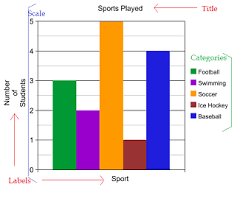
19.
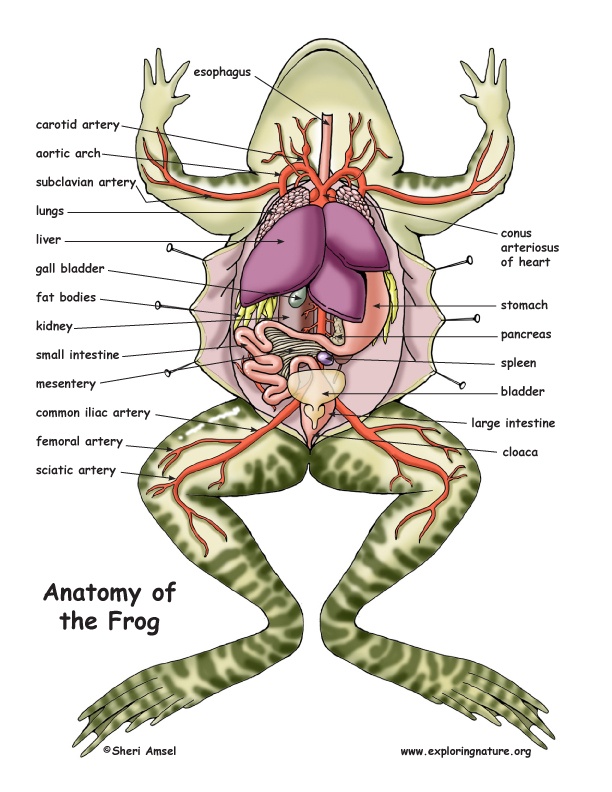
What graphic feature is shown in this example?
a)
photograph
b)
table
c)
map
d)
diagram
20.

How does a caption help a reader understand an informational text?

a)

it explains a photograph or illustration and gives information that may not be in the text

b)

It provides the reader with an image to show a visual representation of the text

c)

it provides the meaning of a word

d)

It summarizes the overall meaning of the text

21.

Why would a reader use a glossary when reading an informational text?

a)

To find a specific topic

b)

To find the meaning of a bold or highlighted work from the text

c)

to find out more information about the topic

d)

to locate information to see how it is organized

22.

Visual representation of facts and details

a)

headings/subheadings

b)

title

c)

timeline

d)

tables and graphs

23.

Help the reader better understand the order of events and how one event may have led to another, show important events in chronological order

a)

timeline

b)

caption

c)

title

d)

heading/subheading

24.

Lists the major parts of the book along with their page numbers, helps readers to locate information in a book or magazine and see how everything is organized, located in the front of the book.

a)

title

b)

glossary

c)

table of contents

d)

captions

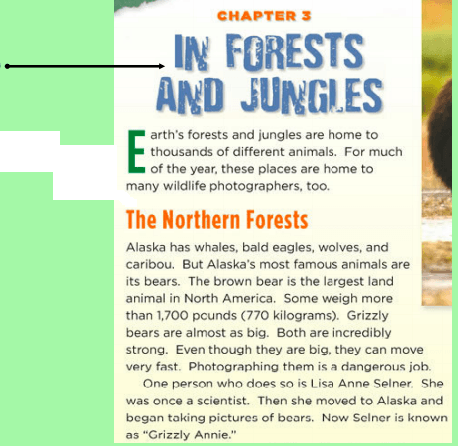
25.
The black line is pointing to which text feature?
a)
caption
b)
heading
c)
subheading
d)
diagram
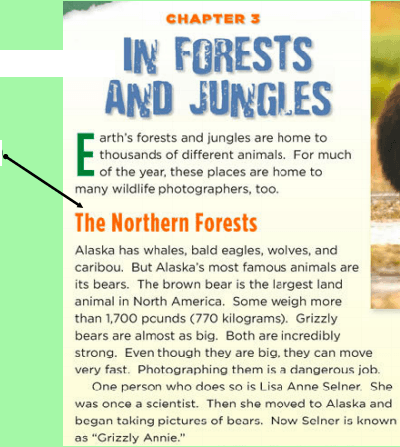
26.
The black line is pointing to which text feature?
a)
caption
b)
heading
c)
subheading
d)
diagram
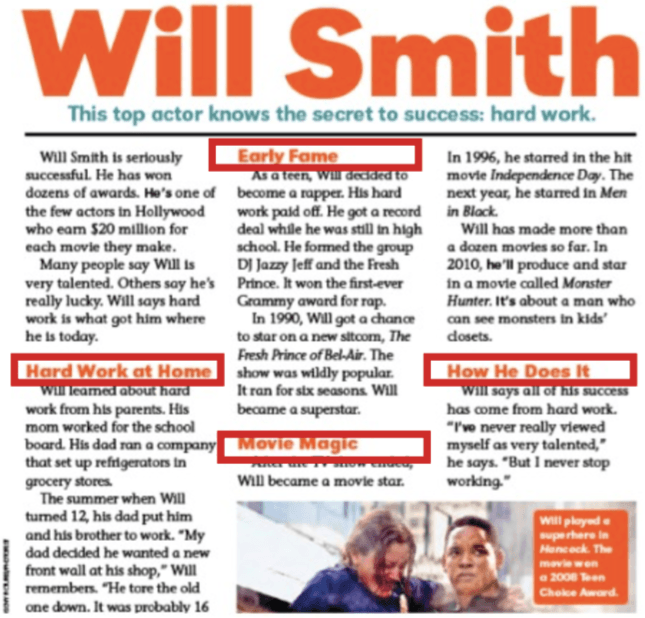
27.
What is the purpose of these subheadings?
a)
To help the reader understand the author’s opinion 
b)
To help the reader visualize the information 
c)
To help the reader find the main ideas in each section
d)
To help the reader place events in order 
28.

Which of these is an example of a timeline?

a)
b)
c)
d)
29.
Helps the readers see where the places in the passage are in relation to geographic regions of the world
a)
Illustrations
b)
Glossary
c)
Index
d)
Maps
30.
Which sentence uses the red word in the same way as the sentence below?
Please don't jam your papers into your desk.
a)
The band is going to have a jam session.
b)
I like to put jam on my toast.
c)
My sister likes to jam things into her backpack.
31.
Which sentence uses the red word in the same way as the sentence below?
I saw a bat in a cave.
a)
The boy swung the bat and missed the ball.
b)
I watched my cat bat at the mouse.
c)
The bat is hanging upside down in our barn.
32.
Which sentence uses the red word in the same way as the sentence below?
There are five pigs in the pen.
a)
My teacher uses a red pen to correct our papers.
b)
The dogs ran back and forth in their pen.
c)
The pen dripped blue ink all over my new shirt.
33.
Which sentence uses the red word in the same way as the sentence below?
Did you eat the last whole wheat roll in the package?
a)
Please do not roll in the grass.
b)
I ate chicken, salad, and a roll for dinner.
c)
The little boy tried to roll the clay into a big ball.
34.
Which sentence uses the red word in the same way as the sentence below?
I was the star in the class play.
a)
My family went to Los Angeles to watch a play.
b)
Can you show me how to play the game?
c)
My sister can play the piano very well.
35.

Match the homophones

a)
b)
c)
36.

Match the homophones

a)
b)
c)
37.

Match the homophones

a)
b)
c)
38.

Match the homophones

a)
b)
c)
d)
39.

Match the homophones

a)
b)
c)
40.

Match the homophone

a)
b)
c)
d)
41.
Please take the attendance _____ the office.
a)
to
b)
too
c)
two
42.
He read that book _____.
a)
to
b)
too
c)
two
43.
Will we have cake and ice cream _____?
a)
to
b)
too
c)
two
44.
_____ dog needs a bath!
a)
your
b)
you're
45.
_____ not going to believe how many cookies she ate.
a)
your
b)
you're
46.
Are you sure _____ ready for the math test?
a)
your
b)
you're
47.
Sophie asked if _____ would be clowns at the circus.
a)
there
b)
their
c)
they're
48.
No one likes _____ secrets told.
a)
there
b)
their
c)
they're
49.
_____ flying kites in the park.
a)
there
b)
their
c)
they're
50.
Ask your mother if _____ all right to come with us.
a)
its
b)
it's
51.

You need to use ___________ when using someone's exact words in your essay.

a)

Your own thoughts

b)

Another piece of paper

c)

A friend's words

d)

Quotation marks

52.

Discusses the similarities and differences between two subjects.

a)

Description

b)

Problem/solution

c)

Sequence

d)

Compare/contrast