
 Worksheets
Q3: Personal Culture Review Quiz
Total questions: 35
Worksheet time: 13mins
What are the 7 major factors that define a person's cultural identity?
Government, Education, Media, Economics, Religion, Celebrations, Family
Language, Food, Music, Art, History, Geography, Politics
Technology, Science, Environment, Health, Sports, Literature, Fashion
Nature, Animals, Weather, Seasons, Time, Space, Energy
What is the role of the government in a nation, state, or community?
To entertain the public
To govern and make laws
To provide free food
To organize sports events
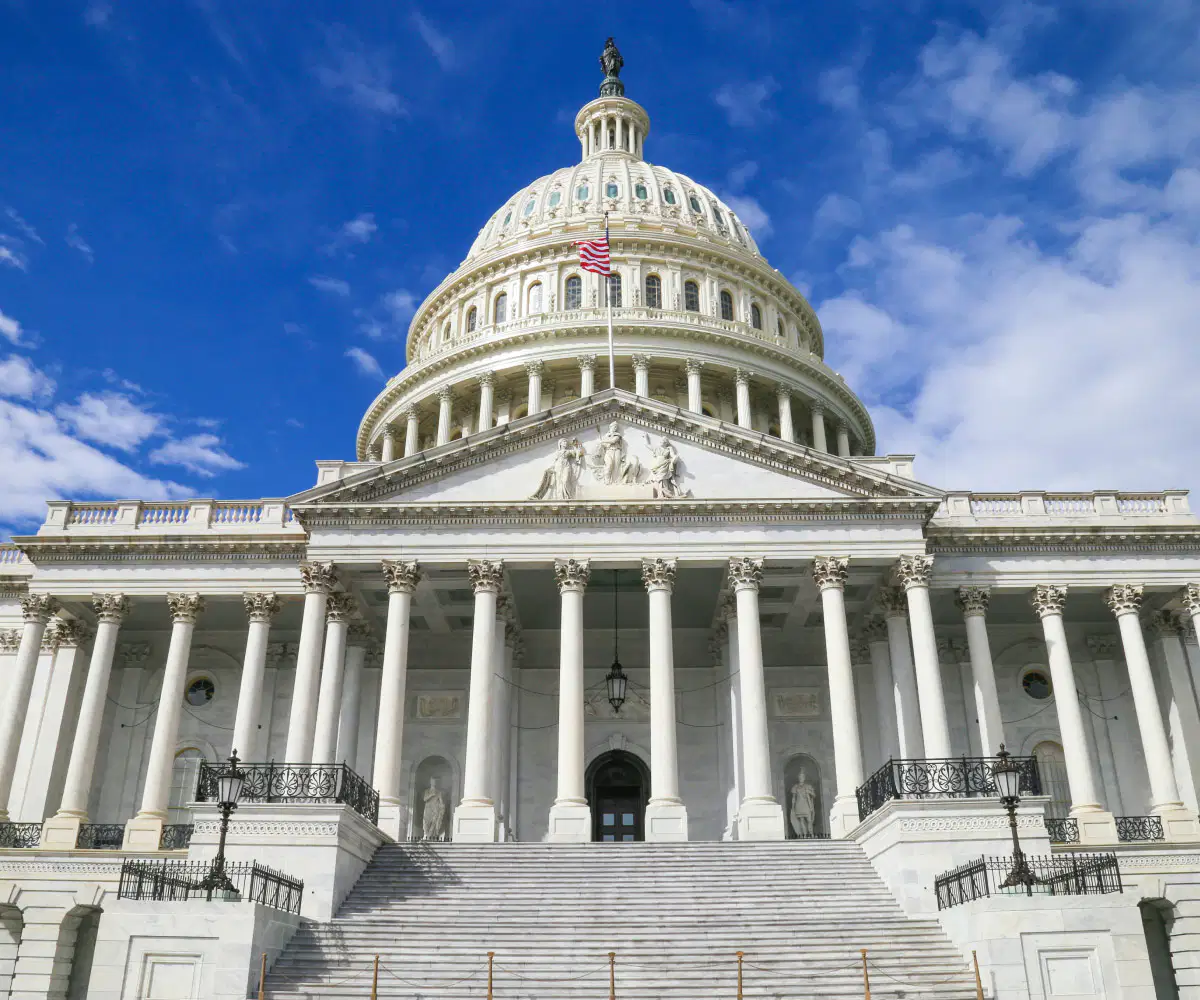
How can the government affect a person's belief systems?
By changing their favorite color
By influencing their morals, values, and beliefs on authority
By deciding their hobbies
By choosing their friends
What happens when a government is less effective?
People have more faith in it
The culture has less faith in its ability to maintain peace and prosperity
The government becomes richer
The culture becomes more diverse
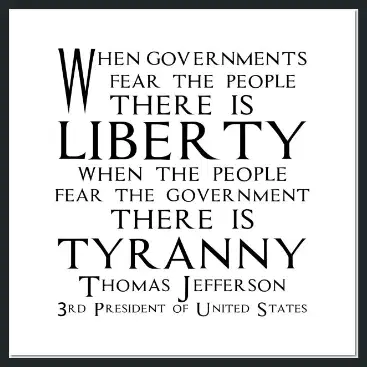
According to Thomas Jefferson, what happens when the government fears the people?
There is tyranny.
There is liberty.
There is chaos.
There is peace.
What responsibility do people living under a government's rule have?
To remain silent.
To make their voices heard.
To follow all orders without question.
To avoid public gatherings.
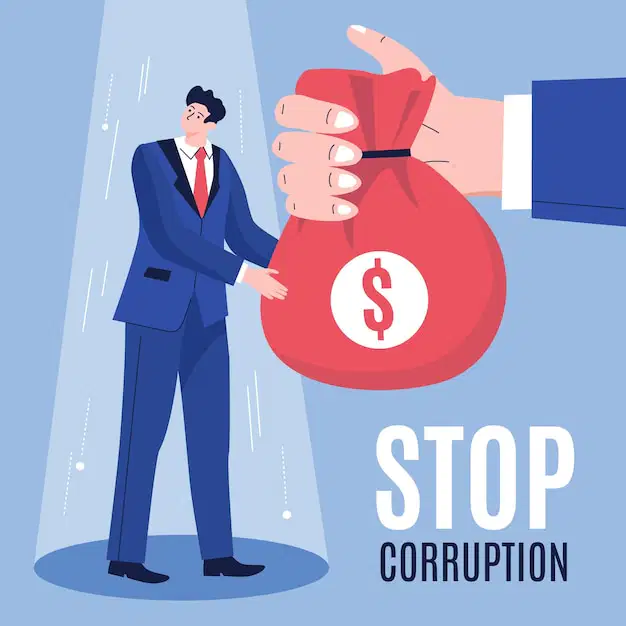
What can unfairly wielded authority lead to?
Increased happiness.
Civil unrest and economic suffering.
Improved government services.
Greater public trust.
What is the definition of education as mentioned in the document?
The process of learning through experience
The process of receiving or giving systematic instruction, especially at a school or university
The process of teaching oneself without any guidance
The process of learning only through online courses
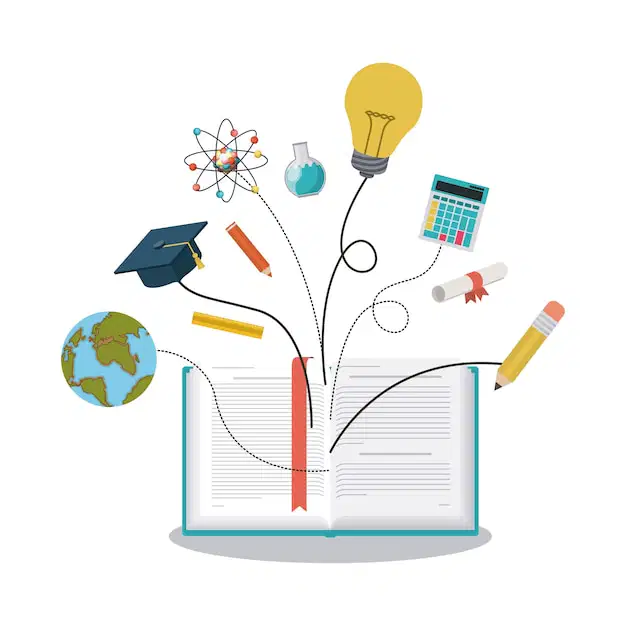
How does access to education impact culture according to the document?
It limits the preservation of traditions
It has no effect on cultural values
It significantly impacts culture by passing on and preserving traditions, values, and customs across generations
It only affects individual perspectives without cultural influence
What is one way education helps a culture?
It allows a culture to preserve itself and flourish.
It makes a culture disappear over time.
It prevents the sharing of ideas and values.
It stops the engagement in celebrations and artworks.
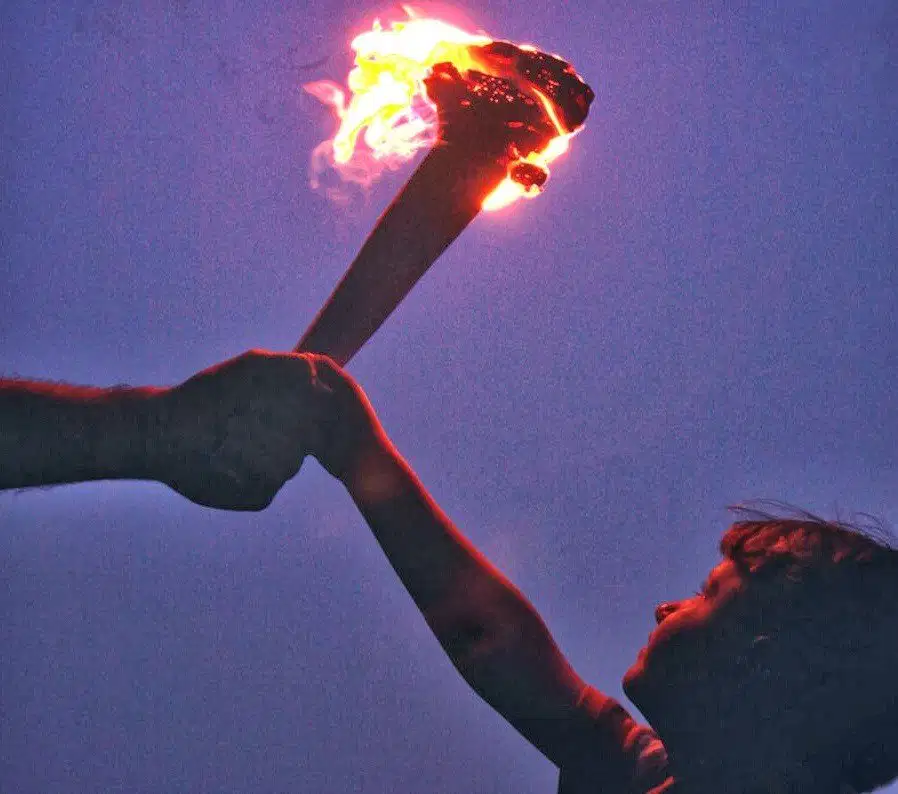
What metaphor is used to describe the role of education in the image?
Building a bridge
Passing the torch
Climbing a mountain
Sailing a ship
What is a potential downside of education mentioned in the text?
It is always accurate and unbiased.
It can vary greatly in quality and accuracy.
It is the same across all cultures.
It never changes historical events.

How does media influence cultural factors?
By slowing down the exchange of beliefs
By isolating people from each other
Through the quick exchange of beliefs
By limiting access to information
How can media positively impact culture?
By spreading misinformation
By promoting negative stereotypes
By raising awareness about social issues
By isolating communities
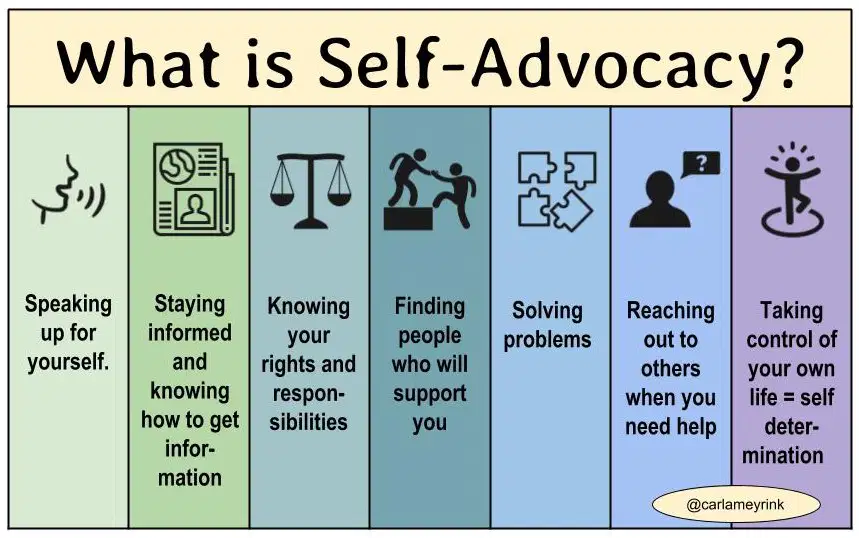
What is one way media can help marginalized voices?
By ignoring their stories
By providing a platform for them to be heard
By silencing their opinions
By promoting only mainstream culture
What does the term "homogenized" mean in the context of media's impact on culture?
Diverse and varied.
All the same.
Strong and authentic.
Unique and individual.
Which of the following is NOT mentioned as a negative impact of media on culture?
Diluting traditional values.
Creating unrealistic beauty standards.
Promoting cultural diversity.
Fostering social divisions.
What are the two-way influences between economics and culture?
Economics affects only cultural heritage.
Culture impacts only economic development.
Economics and culture impact each other.
Culture has no effect on economics.
What can economic shocks like recessions and depressions cause?
Increase in cultural heritage.
Change in people's values and preferences.
Decrease in economic development.
Improvement in economic stability.
How can economics positively impact culture?
By fostering innovation and promoting creativity
By reducing access to education and healthcare
By discouraging tourism and cultural heritage
By limiting social cohesion and economic opportunities
What is one negative impact of globalization on culture?
Preservation of local traditions
Loss of unique cultural identity
Increase in local art forms
Strengthening of minority languages
What is a consequence of rapid urbanization on rural traditions?
Strengthening of rural practices
Abandonment of rural traditions
Revival of cultural practices
Preservation of local crafts
What values does religion help to establish?
Wealth and power
Love, empathy, respect, and harmony
Fashion and trends
Language and dialects
How does religion benefit culture according to the text?
By promoting economic growth
By providing a framework for understanding the world
By increasing technological advancements
By reducing population growth
What are some of the positive values promoted by religion mentioned in the text?
Wealth and power
Compassion, forgiveness, and social responsibility
Competition and rivalry
Independence and isolation
What can religious intolerance lead to, according to the text?
Increased literacy rates
Discrimination and Conflict.
Improved international relations
Enhanced cultural exchange
How can religious beliefs negatively impact human rights, as stated in the text?
By promoting gender equality
By justifying human rights violations
By supporting freedom of speech
By encouraging peaceful coexistence
What is one way celebrations foster a sense of community?
By encouraging competition.
By bringing communities together for a shared purpose.
By isolating individuals.
By promoting individualism.
How do celebrations contribute to cultural education?
By promoting economic growth
By incorporating elements like music, dance, food, and storytelling
By creating stereotypes
By focusing on individual achievements
How do cultural festivals and celebrations benefit the economy?
By discouraging tourism
By creating economic opportunities and boosting local businesses
By reducing local business activities
By focusing solely on cultural pride
What is one environmental impact of large gatherings during celebrations?
Increased biodiversity
Significant waste generation
Improved air quality
Enhanced local ecosystems
How can commercialization affect the cultural meaning of celebrations?
It enhances cultural traditions
It preserves authentic meanings
It dilutes the cultural meaning
It strengthens community bonds
How does your family impact your culture?
Your family doesn't impact your culture.
Your family only teaches you what to celebrate.
Your family is the foundation of all your cultural beliefs.
Your family just buys you things.
Select ALL the positive influences your family can have on your cultural identity.
What you value and believe in.
Your favorite band.
Your laws and government.
The first language you learn, and the the culture you come from.
Select ALL possible negative influences your family could have on your cultural identity.
Fear of other or opposing cultural beliefs.
The belief of stereotypes, and other discriminatory beliefs.
Your favorite food recipe.
Discouraging critical thinking skills.

