
 Worksheets
Chapter 19: The Triumph of Free Enterprise Quiz
Total questions: 15
Worksheet time: 10mins
Name
Class
Date
1.

Which group of immigrants help build 73,000 miles of railroads?
a)
Scottish
b)
Irish
c)
Chinese
d)
Japanese
2.

What was the name of the dominant telephone group?
a)
T-Mobile
b)
AT&T
c)
Verison
d)
Sprint
3.
Who is called "the greatest inventor in history"?
a)
Alexander Graham Bell
b)
George Washington Carver
c)
Andrew Carnegie
d)
Thomas Edison
4.

Which was NOT invented by Thomas Edison?
a)
Phonograph
b)
Telephone
c)
Motion-picture projector
d)
Electric light bulb
5.
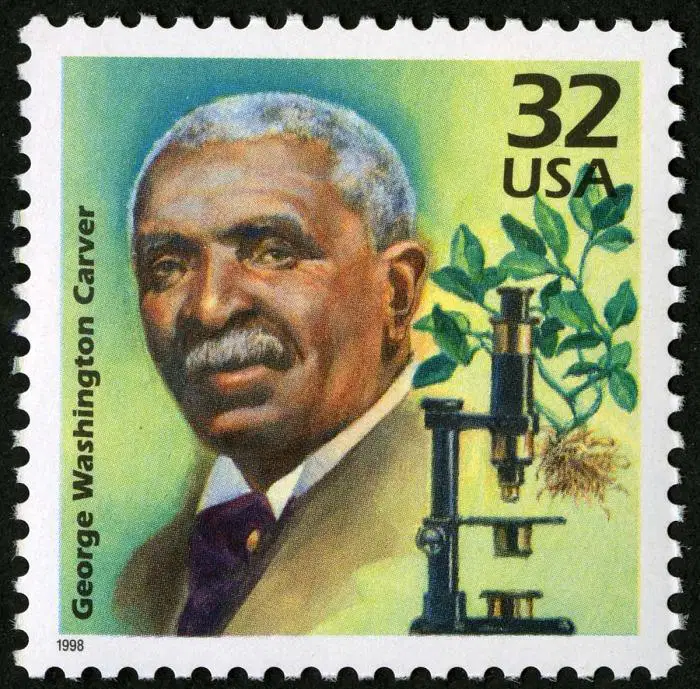
George Washington Carver found 300 ways to use this plant:
a)
Peanuts
b)
Sweet Potatos
c)
Pistachios
d)
Potatoes
6.
TRUE/FALSE: Capitalism and free enterprise share similar definitions.
a)
True
b)
False
7.
TRUE/FALSE: Industries (like steel and transportation) did not help each other.
a)
True
b)
False
8.

This concert hall in New York City was named after a wealthy philanthropist.
a)
Morgan Hall
b)
Rockefeller Hall
c)
Carver Hall
d)
Carnegie Hall
9.
What is an entrepreneur?
a)
A government license that protects a person's invention from theft
b)
A person who makes a business and risks failure for a chance at success
c)
A person who donates their money to help others
d)
A business owned by 2 or more people
10.

John D. Rockefeller was in which business?
a)
Oil refining
b)
Steel
c)
Finance
d)
Agriculture
11.

Who was the wealthiest financier?
a)
John D. Rockafeller
b)
Andrew Carnegie
c)
Andrew Grahm Bell
d)
J.P. Morgan
12.

TRUE/FALSE: A proprietorship is a business owned by 1 person, while a partnership is a business owned by 2 or more partners
a)
True
b)
False
13.
What are monopolies?
a)
A multiplayer economics-themed board game
b)
Businesses which have virtually no competition
c)
A person who buys a product
d)
Formed by a group of businessmen with the permission of the government
14.
What is "laissez faire"?
a)
Strict government policy
b)
Any kind of business combination which limits competition
c)
"Hands off" policy
d)
A concert hall named after a French philanthropist
15.
What did the Sherman Antitrust Act of 1890 do?
a)
Set the precedent that the government can regulate American businesses when necessary
b)
Stopped businesses from combining to make a big business
c)
Promoted competition between businesses
d)
All of the above
100 %

