
 Worksheets
Modern Dance Quiz #2
Total questions: 8
Worksheet time: 8mins

What is expressionist dance? When and where did expressionist dance emerge?
A dance style focused on classical ballet, emerged in France in the 19th century.
A dance style emphasizing emotional expression, emerged in Germany in the early 20th century.
A dance style based on folk traditions, emerged in Russia in the 18th century.
A dance style focused on technical precision, emerged in Italy in the 17th century.
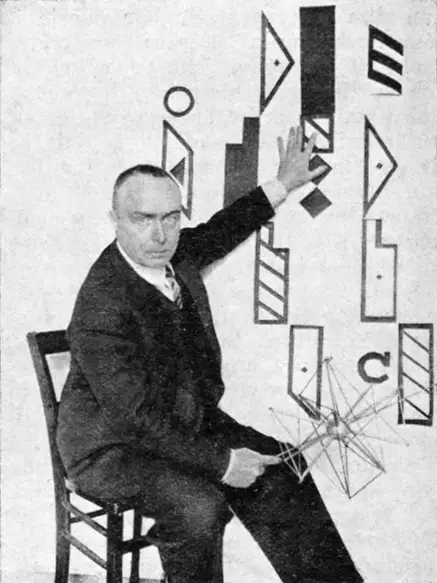
Who was Rudolf von Laban and what is his significance in dance history?
A famous Austro-Hungarian ballet dancer known for his performances during WWII.
A Austro-Hungarian choreographer and founding father of expressionist dance.
A German composer who created music for modern dance performances.
A French painter who depicted dance scenes in his artwork.
Laban believed that dance should be secondary to music.
True
False
Why was Laban’s choreography banned from the 1936 Summer Olympics in Berlin?
It was considered too traditional.
It was seen as politically subversive.
It was not technically challenging enough.
It was too similar to other performances.
What is the Laban Movement Analysis?
A style of dance that combines elements of jazz and modern dance.
A technique for improving flexibility, used in contemporary dance training.
A method for analyzing and describing movement
A system for recording dance movements, used primarily in ballet performances.
Which of the following is a characteristic of expressionist dance?
Strict adherence to classical ballet techniques.
Emphasis on emotional expression and individual creativity.
Focus on synchronized group performances.
Use of traditional folk dance steps.
What is the primary focus of Laban's movement theory?
To enhance musical compositions.
To improve athletic performance.
To understand and analyze human movement.
To create new dance styles.
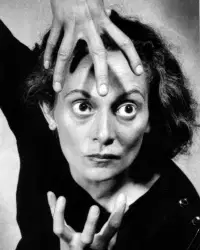
Which German expressionist dance pioneer trained under Rudolf von Laban and in 1914 choreographed her seminal solo, Witch Dance?
Martha Graham
Honya Holm
Mary Wigman
Ruth St. Denis

