
NEW
Font size
 Worksheets
Quiz on Young's Modulus and Mechanical Properties
Total questions: 16
Worksheet time: 8mins

What is Young's modulus primarily used to describe?
The temperature resistance of a material
The weight of a material
How materials deform under loading
The color of a material

In which region of the stress-strain curve does Hooke's Law apply?
Plastic Region
Elastic Region
Fracture Region
Yield Region
What is the unit of Young's modulus in SI units?
Newtons
Watts
Pascals
Joules
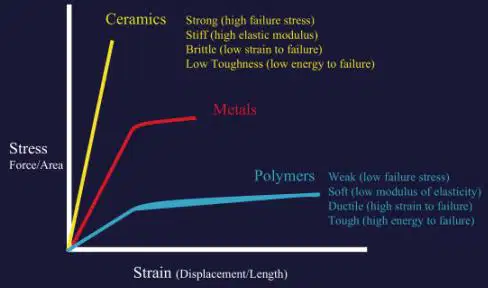
Which material typically has the highest Young's modulus?
Polymers
Metals
Ceramics
Wood

What happens at the atomic level during elastic deformation?
Atoms rearrange permanently
Atoms move apart but return to their original positions
Atoms break apart
Atoms fuse together
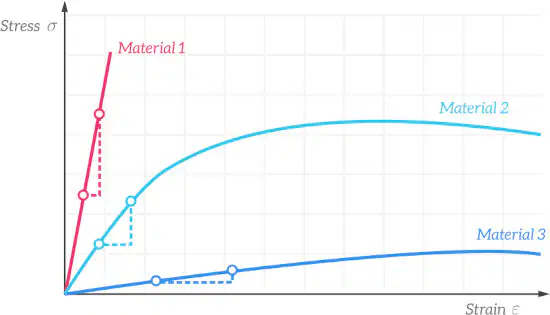
Why do polymers have a lower Young's modulus compared to metals?
They have weaker intermolecular forces
They have stronger atomic bonds
They are denser
They have a higher melting point
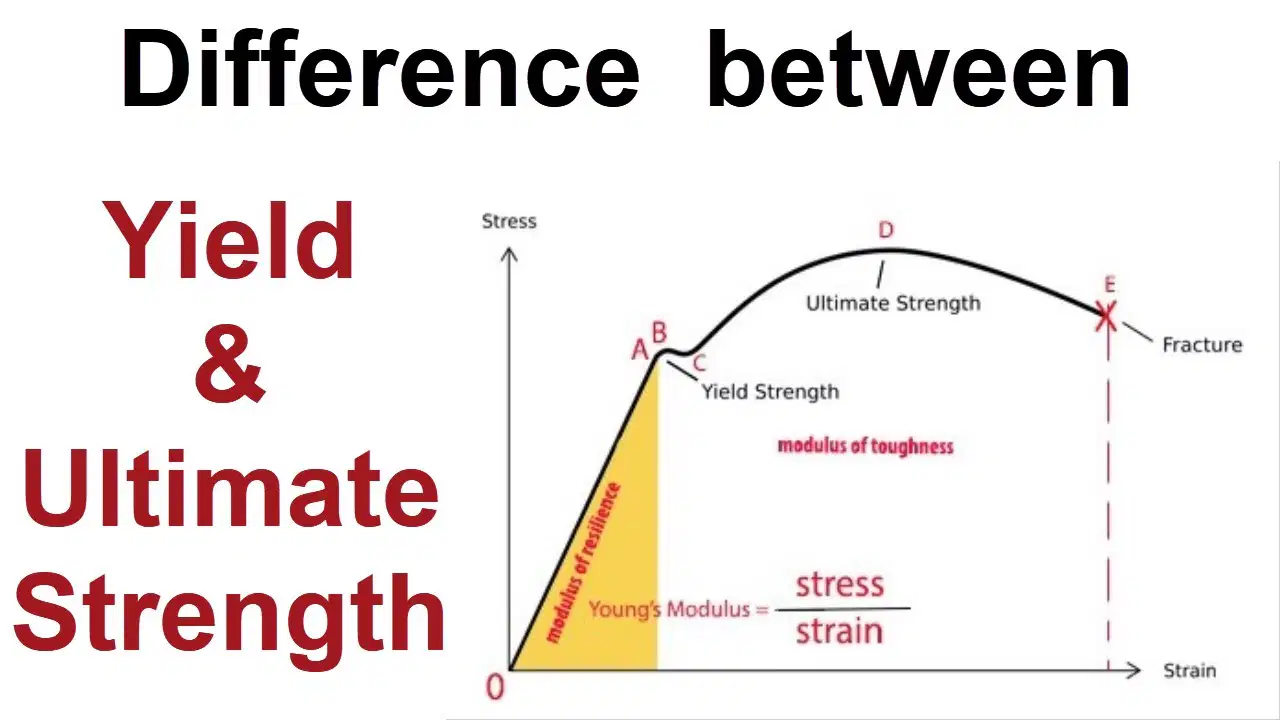
What is the ultimate tensile strength (UTS)?
The maximum stress a material can withstand before fracture
The ability to absorb energy while deforming elastically
The stress at which plastic deformation begins
The ability to absorb energy up to fracture
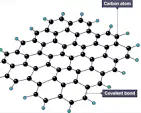
Which material is known as the strongest known material due to its covalent bonds?
Graphene
Steel
Diamond
Aluminum
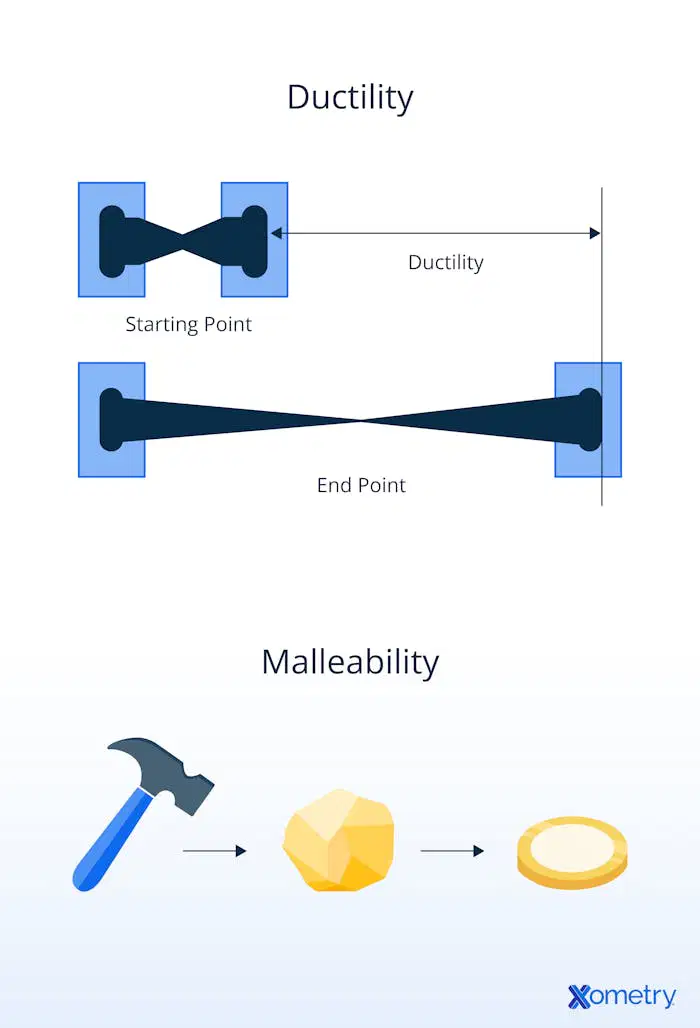
What is ductility?
The ability to absorb energy up to fracture
The ability to plastically deform before breaking
The ability to return to original shape after deformation
The ability to conduct electricity

What is resilience in terms of mechanical properties?
Ability to resist corrosion
Ability to absorb energy while deforming elastically
Ability to withstand high temperatures
Ability to conduct heat
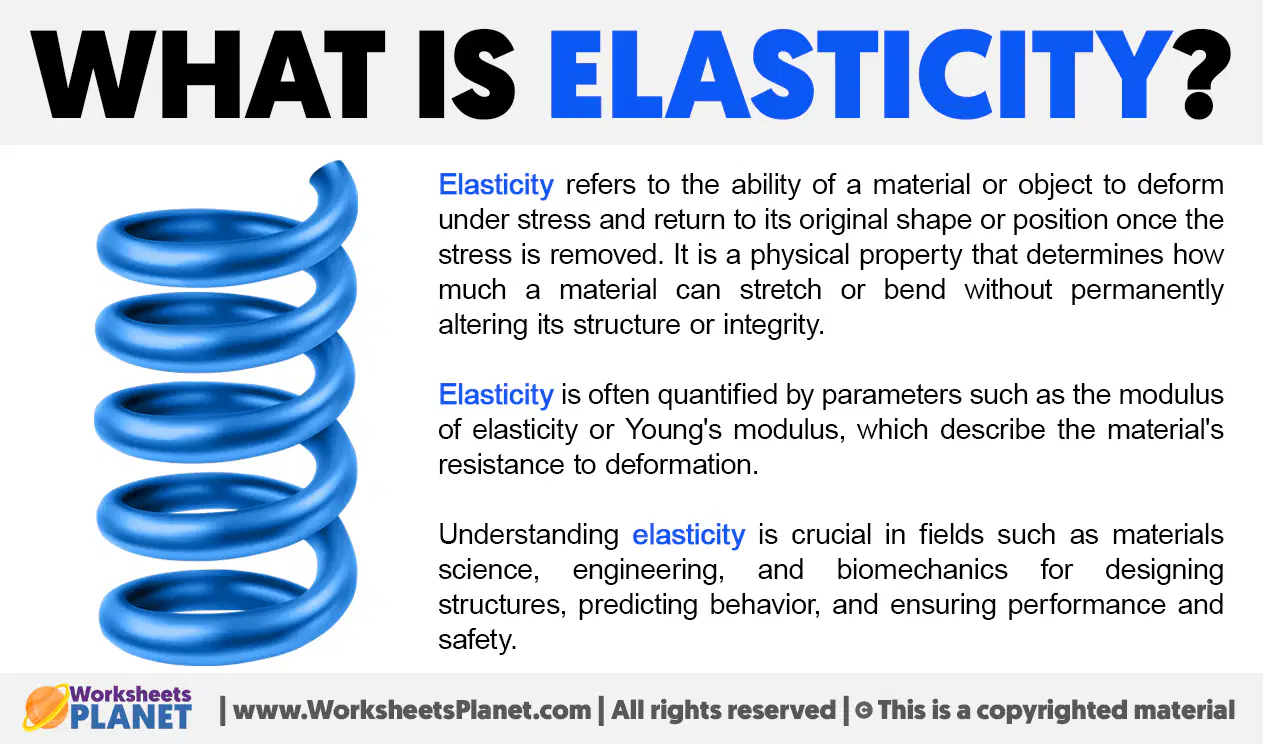
What property of a material is described by its ability to return to its original shape after deformation?
Ductility
Elasticity
Resilience
Hardness
Which material is typically known for having high ductility?
Steel
Rubber
Glass
Ceramics
What is the primary factor that determines the toughness of a material?
Its melting point
Its density
Its ability to absorb energy before fracturing
Its ability to conduct electricity
What is the primary reason ceramics are brittle?
They have high ductility
They have strong ionic and covalent bonds
They have low density
They have high thermal conductivity
Which property measures a material's resistance to localized plastic deformation?
Ductility
Toughness
Hardness
Elasticity
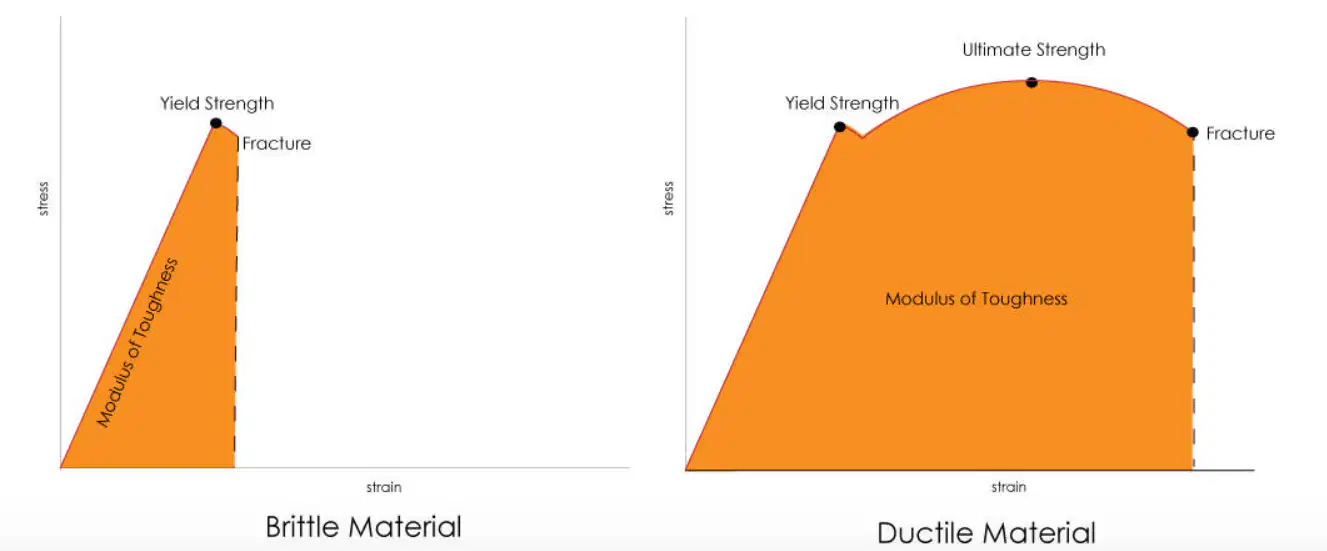
What is the main characteristic of a material with high toughness?
It can absorb a lot of energy before fracturing
It has a high melting point
It is very dense
It can withstand high temperatures

