
Font size
 Worksheets
SENIOR ONE: ASSESSMENT ONE 21ST/03/2025
Total questions: 146
Worksheet time: 2hrs 14mins


Select the 4 correct answers. A particle _____.
can be a solid.
can be a liquid.
can be a gas.
has random motion.
remains stationary.

Which diagram best shows the end result of diffusion?
F
H
G
J
Diffusion is the movement of molecules from an area of _____ concentration to an ______ concentration
High, low
Low, high
Low, low
High, high

Where is there a low concentration of dye?
at the bottom of cup
in the color
at the top of cup
no concentration gradient
What is diffusion?
when molecules move
when molecules move from a high concentration to a low concentration.
no movement
molecules move everywhere
Diffusion occurs only in solids
True
False
How long does diffusion last?
Until the concentration of particles in the system is equal
Until a region in the system has a smaller concentration of particles than the other
Until a region in the system has a greater concentration of particles than the other
Until the particles disappear from the system
Objects gain heat and _________.
expand
contract
The liquid in the thermometer rises when it is placed in the hot water because ___________.
it gains heat from the hot water and expands.
loses heat from the hot water and contracts.
the surrounding air is too warm.
the liquid is boiling.
When do molecules stop moving or vibrating?
When equilibrium is reached
Never
When the temperature is below 0 degrees Celsius
When the substance they are part of becomes a solid
What happens to the coffee particles when coffee is added to hot water?
They sink to the bottom of the cup
They spread out
They clump together
They freeze
What happens to particles when they are heated?
They speed up and spread out
They slow down and compress
They stop moving
They move closer together and speed up
How do particles move during diffusion?
high concentration to low concentration
low concentration to high concentration
What was the independent variable in your experiment?
the tea bag
the temperature of the water
the time it took to diffuse
the colour of the water
What was a control variable in your experiment?
the time it took to change colour
the temperature of water
the volume of water
What happens to the rate of diffusion as temperature increases
speeds up
slows down
stays the same
Why does increasing temperature increase rate of diffusion?
particles have less energy so move quicker
particles have more energy so move quicker
particles have less energy so move slower
particles have more energy so move slower
To investigate the effect of temperature on speed of diffusion you need to change the
time taken for cross to disappear
colour
type of tea
temperature
To investigate the effect of temperature on speed of diffusion you need to measure the
time taken for cross to disappear
temperature
colour
type of tea bag
Diffusion requires energy
true
false
Diffusion is the movement of ___________ from high to low concentration
tea
particles
water
What part of your investigation was recorded in the table?
explanation
conclusion
results
plan
If you were investigating the effect of shape of tea bag on rate of diffusion you would change the...
temperature
time taken for cross to disappear
shape of tea bag
volume of water
If you were investigating the effect of shape of tea bag on rate of diffusion you would measure the...
temperature
time taken for cross to disappear
shape of tea bag
volume of water
______ is the random movement and mixing of particles.
Spreading
Stirring
Diffusion
States
In a solid, particles ________________
move freely
slide past one another
have large amount of energy
do not have much room to move
How do particles act in a liquid?
Every particle stays in one spot.
Particles spread far apart from one another.
Particles slide past one another
Particles squeeze together to fit into small spaces.
When do molecules stop moving or vibrating?
When equilibrium is reached
Never
When the temperature is below 0 degrees Celsius
When the substance they are part of becomes a solid
From fastest to slowest rate of diffusion, which of the following is in the correct sequence?
Solids, liquids, gases
Liquids, gases, solids
Gases, liquids, solids
Gases, solids, liquids
Which of the following will diffuse the fastest?
A tablespoon of sugar in a glass of water
Heat through a solid piece of steel
A pinch of salt in a glass of water
The smell of bacon cooking throughout a room
What does a 'region with high concentration' mean?
An area with a SMALL number of particles
An area with a LARGE number of particles
An area with an UNEVEN number of particles
An area with no particles
What does “area of high concentration” mean?
Spread out
Tightly packed together
Uncrowded
Spacious
An increase in temperature does what to diffusion?
Speeds it up
Slows it down
Nothing
Stops it all together
Which gases move into and out of the blood at the lungs by diffusion
Nitrogen and Oxygen
Oxygen and Carbon Dioxide
Nitrogen and Carbon Dioxide
Argon and Nitrogen
What is Physical Chemistry?
If a fire erupts, immediately
notify the teacher
run for the fire extinguisher
throw water on the fire
open the windows
goggles are worn in the lab..
to avoid eye strain
to improve your vision
only if you do not have glasses
any time chemicals, heat, or glassware are used
If you do not understand a direction or part of the lab procedure, you should
figure it out as you do the lab
try several methods until something works
ask the teacher before proceeding
skip it and go on to the next part
After completing an experiment, all chemical wastes should be
left at your lab station for the next class
disposed of according to your teacher's directions
dumped in the sink
taken home
You have been injured in the lab, first you should..
visit the school nurse after class
see a doctor after school
tell the teacher
apply first aid yourself
Long hair in the lab must be
cut short
held away from the experiment with one hand
always neatly groomed
tied back behind your head
Which of the following should NOT be worn during a laboratory activity?
loose clothing
dangling jewelry
sandals
all of the above
Horseplay, practical jokes, or pranks in the classroom are..
always against the rules
okay
not dangerous
okay if you are working alone
If a piece of equipment is not working properly, stop, turn it off, and tell
the principal
your lab partner
your best friend in the class
the teacher
When you finish working with chemicals or other lab substances, always
treat your hands with skin lotion
wash your hands with warm soapy water
wipe your hands on a towel
wipe your hands on your clothes
The following activity is allowed in the lab
chewing gum
eating
drinking
none of the above
Before you leave the science room, you should
clean your work area and equipment
return all equipment to the proper storage area
wash your hands with soap and water
all of the above
All chemicals in the lab (including food stuff and store-bought chemicals) should be treated as if they could be hazardous (dangerous)
True
False
Work areas should be kept clean and tidy.
True
False
Laboratory work may be started immediately upon entering the laboratory even if the teacher is not yet present.
True
False
Never remove chemicals or other equipment from the lab.
True
False
Read all procedures thoroughly before performing a laboratory investigation
True
False
All non-approved experiments are prohibited (not allowed)
True
False
When a demonstration is done virtually, should you recreate it at your house?
Yes
No
You are allowed to enter the chemical storage area any time you need to get an item.
True
False


I am a
Beaker
Test tube
Pipette
Erlenmeyer Flask

What am I used for?
To make observations.
To roughly measure volume.
To hold pencils
To measure mass.

What am I?
Pipette
Erlenmeyer Flask
Test Tube
Graduated Cylinder

What am I used for?
Measuring mass
Measuring volume
Heating chemicals
Mixing chemicals

What is the name of this U-Shaped line?
Test tube
Beaker
Meniscus
Water level

What is the correct volume? (a) mL

What am I?
Graduated cylinders
Pipettes
Test tubes
Well plates

What am I used for?
To do general chemistry
To hold liquids
To heat liquids
To measure volume

This is a(n) (a) .

I am used to
mix chemicals
drink chemicals
store chemicals
measure volume

True or False: One drop from me is equivalent to approximately 0.05 mL of liquid.
True
False

I am a
Pipette
Beaker
Well plate
Graduated cylinder

I am a (a) .

I am used to
Mix and test chemicals
Hold chemicals
Make observations
Measure mass and volume

When working with chemicals, it is important to (a) instead of smell the chemical directly.

What is used to measure (but not precise), heat, and mix large amounts of liquids?
beaker
flask
test tube
graduated cylinder

What equipment allows you to see small objects?
beaker
compound light microscope
flask
test tube

Which equipment holds liquids and allows reactions in a small space?
test tube
hot plate
dropper
beaker

Which equipment heats objects with an open flame?
hot plate
thermometer
bunsen burner
beaker

Which equipment allows you to drop a small amount of liquid?
dropper
test tube
graduated cylinder
flask

evaporating dish
watch glass
mortar and pestle
funnel

evaporation
watch glass
mortar and pestle
funnel


Identify the lab equipment in the picture.
Test Tube Rack
Test Tube Clamp with Spring
Crucible Tongs
Forceps


In physical changes the substance present is (a) the same.
In a chemical change new substances are formed during the (a) .
What are reactants?
(a)
What are Products?
(a)
Chemical reactions can combine certain _______.
Products
Compounds
Reactants
Elements
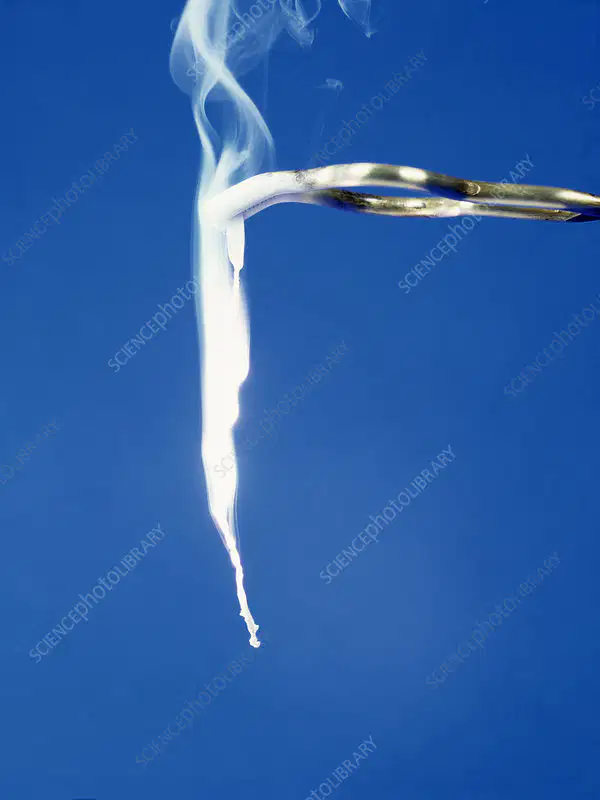
Write a safety Precaution that should be taken before doing the a chemical reaction in the left.
(a)
Magnesium and Oxygen make up
Mgp
Mgi
Mgo
Mga
What are the 3 types of fuels?
Solid fuel,liquid fuel and fuel
Solid fuel,liquid fuel and Heat fuel
Solid fuel,liquid fuel and 95 fuel
Solid fuel,liquid fuel and Gaseous fuel
Give a example of Gaseous fuel
(a)
2 Examples for liquid fuel.
(a)
3 examples for solid fuels.
wood,charcoal,
corn
wood,Carbon,
corn
wood,Plastic,
corn
wood,chocolate,
corn
Name the fire extinguisher/extinguishers.
Heat
Water
Fuel
Carbon-dioxide
______ is the random movement and mixing of particles.
Spreading
Stirring
Diffusion
States
In a solid, particles ________________
move freely
slide past one another
have large amount of energy
do not have much room to move
How do particles act in a liquid?
Every particle stays in one spot.
Particles spread far apart from one another.
Particles slide past one another
Particles squeeze together to fit into small spaces.
When do molecules stop moving or vibrating?
When equilibrium is reached
Never
When the temperature is below 0 degrees Celsius
When the substance they are part of becomes a solid
From fastest to slowest rate of diffusion, which of the following is in the correct sequence?
Solids, liquids, gases
Liquids, gases, solids
Gases, liquids, solids
Gases, solids, liquids
Which of the following will diffuse the fastest?
A tablespoon of sugar in a glass of water
Heat through a solid piece of steel
A pinch of salt in a glass of water
The smell of bacon cooking throughout a room
What does a 'region with high concentration' mean?
An area with a SMALL number of particles
An area with a LARGE number of particles
An area with an UNEVEN number of particles
An area with no particles
What does “area of high concentration” mean?
Spread out
Tightly packed together
Uncrowded
Spacious
An increase in temperature does what to diffusion?
Speeds it up
Slows it down
Nothing
Stops it all together
Which gases move into and out of the blood at the lungs by diffusion
Nitrogen and Oxygen
Oxygen and Carbon Dioxide
Nitrogen and Carbon Dioxide
Argon and Nitrogen

